MSI Gaming GL65 9SC-053CN RAM upgrade specifications

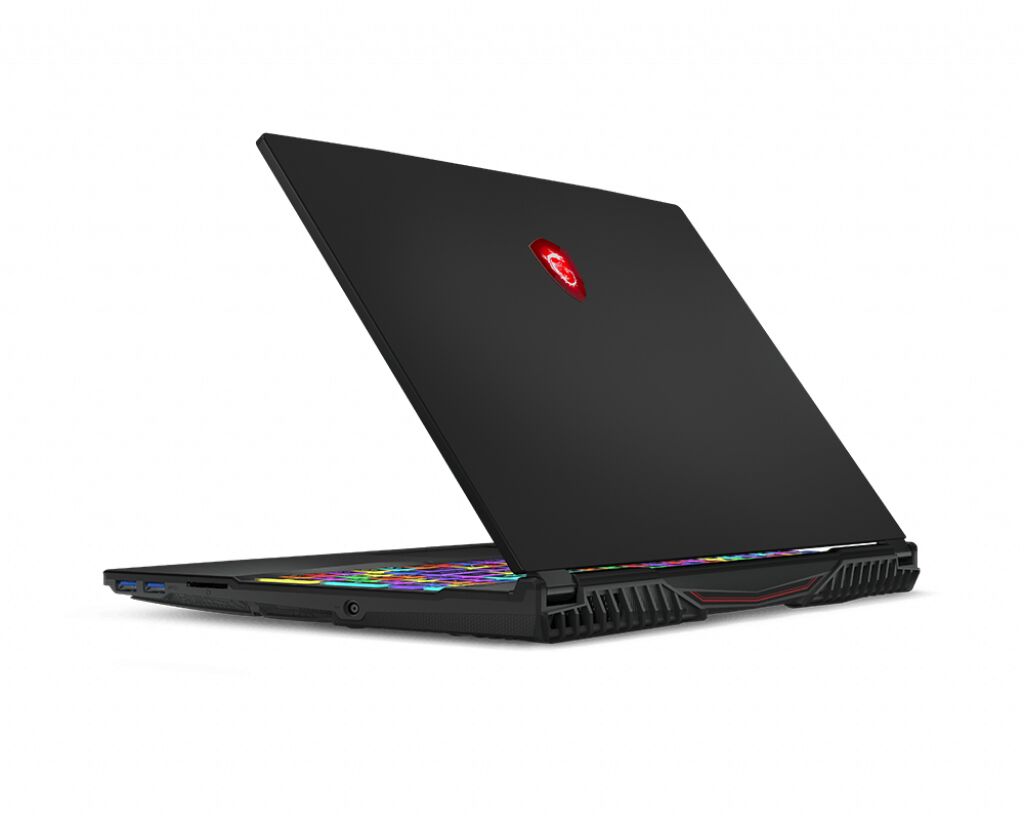


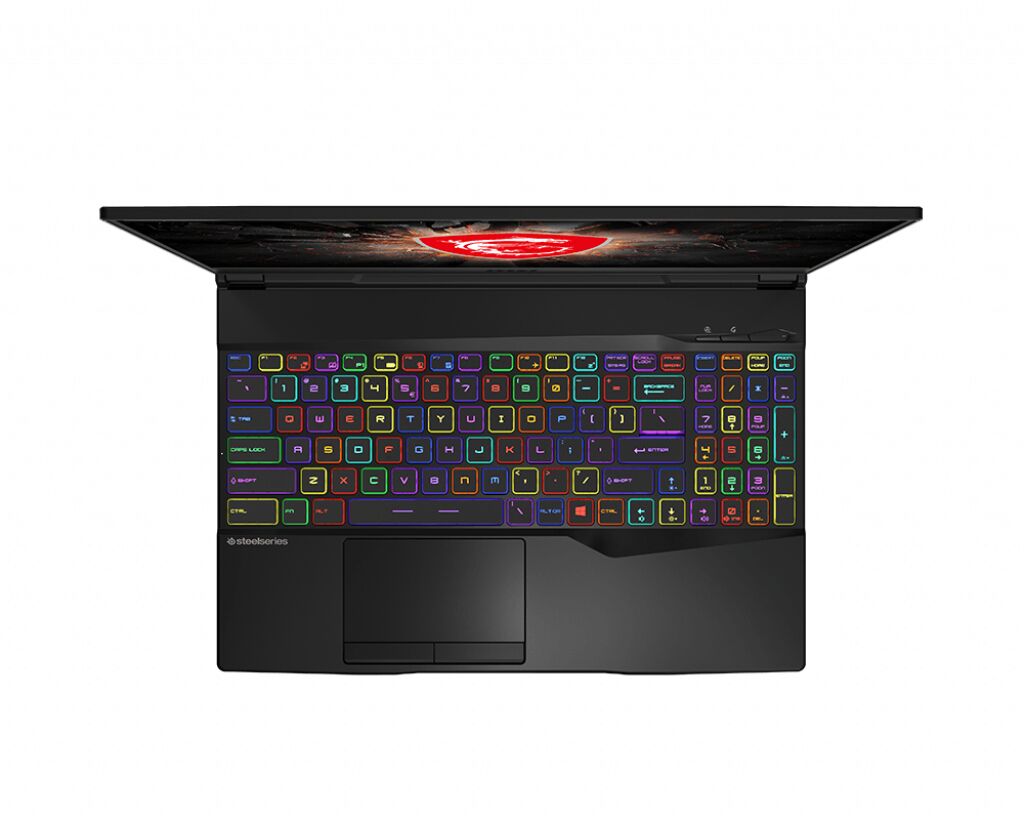
MSI GL65 9SC-053CN Gaming series laptop supports DDR4-SDRAM memory upgrades. The system features 2x SO-DIMM slots for RAM expansion, with maximum capacity of 64 GB. Compatible memory operates at 2666 MHz frequency and uses SO-DIMM form factor. Specifications enable users to upgrade existing memory modules to enhance system performance and multitasking capabilities on the GL65 9SC-053CN model.
Memory Upgrade Specifications
| Specification | Value |
|---|---|
| Memory slots | 2x SO-DIMM |
| Form factor | SO-DIMM |
| Memory type | DDR4-SDRAM |
| Frequency | 2666 MHz |
| Maximum RAM | 64 GB |
| Voltage | 1.2V |
| Number of pins | 260-pin |
| Interface | PC4 |
| PC Speed Rating | PC4-2666 (PC4-21328) |
| Bandwidth | 21.3 GB/s |
| Laptop Release date | 15 June 2020 |
Additional Notes
- The MSI GL65 9SC-053CN uses a 2-slot SO-DIMM configuration, which means both memory slots must be populated to achieve dual-channel operation. Populating only 1 slot results in single-channel bandwidth reduction of approximately 50 percent.
- DDR4-2666 MHz specification indicates the system controller locks memory speeds to this frequency regardless of higher-rated module installation. Modules rated for DDR4-3000 or DDR4-3200 will automatically downclock to 2666 MHz, eliminating the performance advantage of premium memory purchases.
- The 64 GB maximum capacity ceiling is hardware-determined by the memory controller architecture. Attempting to install 2x32 GB modules may result in POST failures or instability due to rank limitations in 9th-generation Intel mobile platforms, requiring verification of specific module compatibility before purchase.
- SO-DIMM form factor requires specialized low-profile memory modules incompatible with desktop DDR4 SO-DIMM slots found in external docking stations or USB-C expansion enclosures. Migration between devices demands identical form-factor compliance.
- Gaming workload patterns on this configuration exhibit memory bandwidth saturation risk when both the discrete GPU and processor compete for memory access simultaneously. The 2666 MHz frequency becomes a latency bottleneck under sustained high-refresh-rate gaming loads above 100 fps, particularly at 1080p settings.
- Warranty preservation typically requires purchasing replacement modules from MSI's validated compatibility list rather than generic DDR4-2666 alternatives, as non-listed modules may trigger hardware detection anomalies that void coverage despite technical compatibility.