MSI Gaming GL66 12UGSZOK-1204XES Pulse RAM upgrade specifications

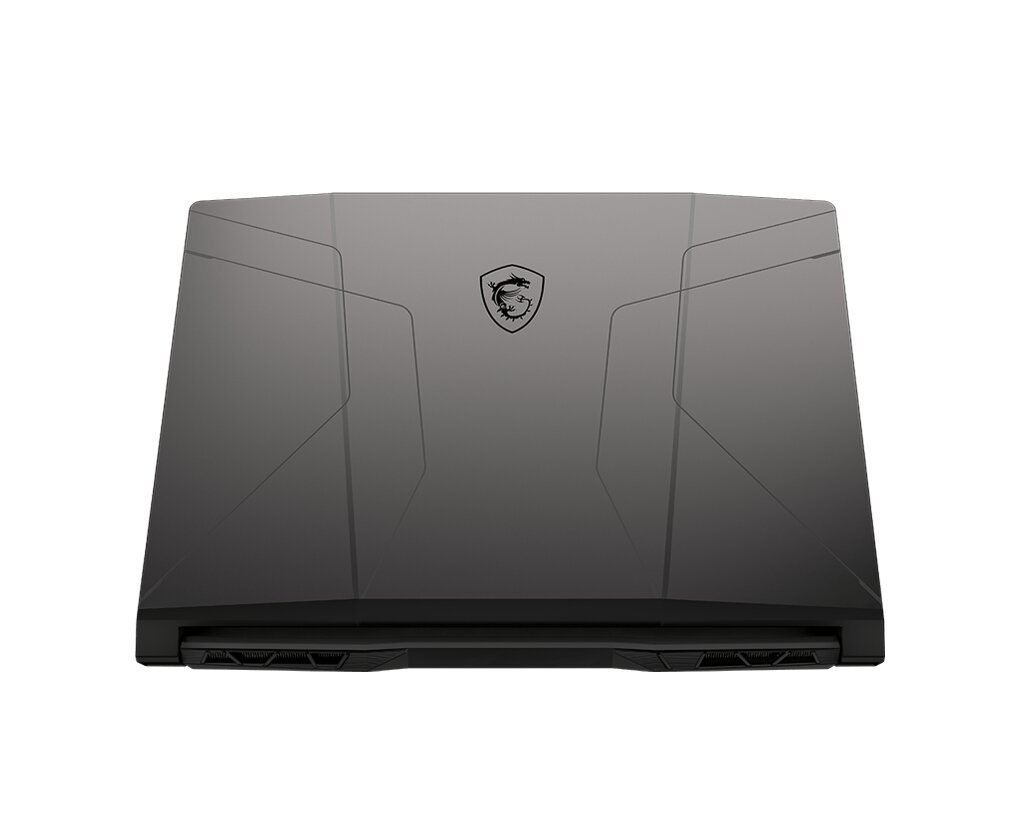
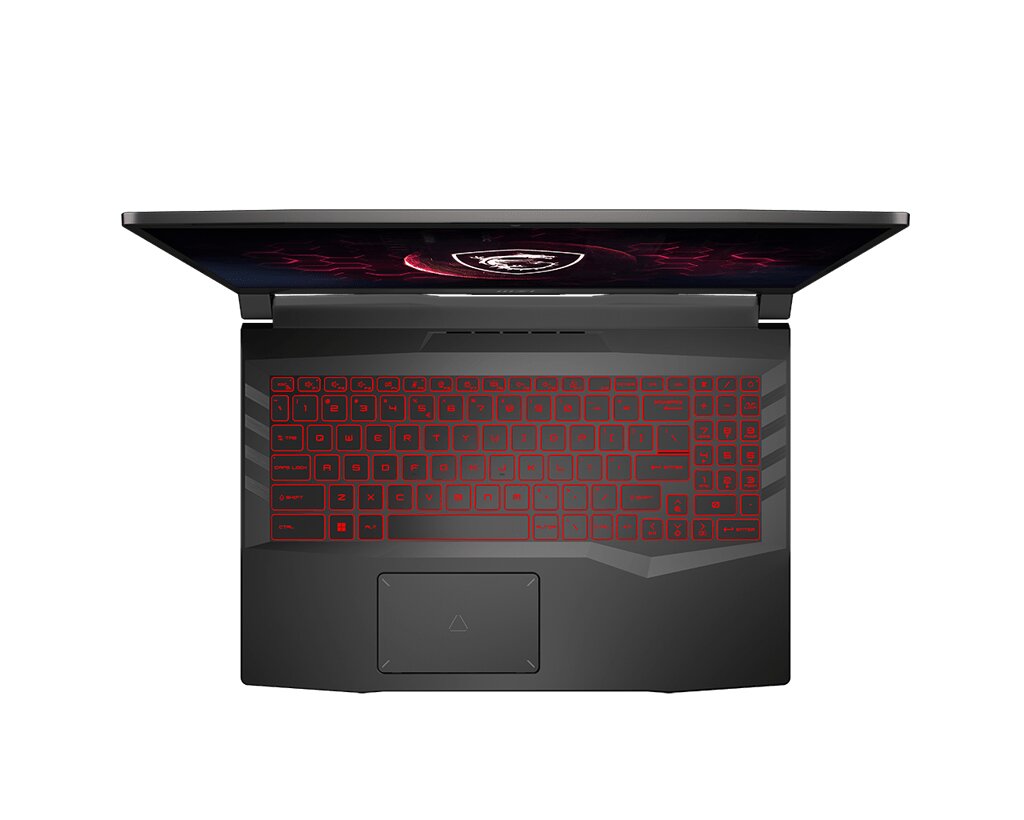
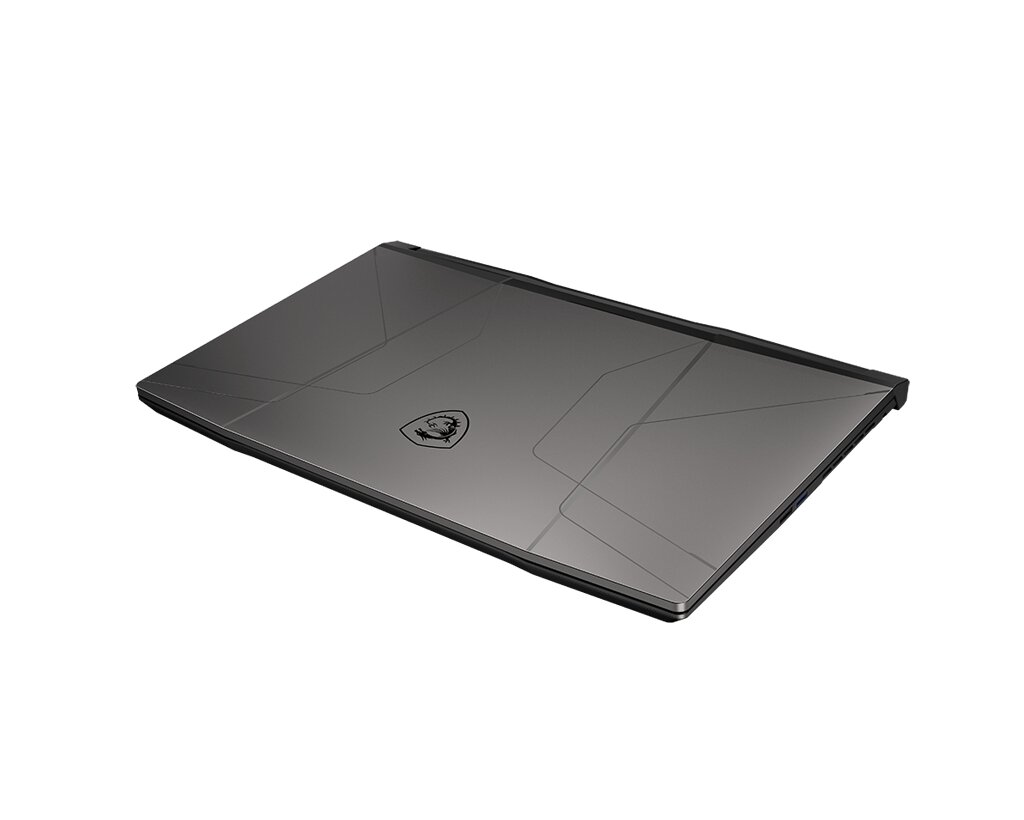
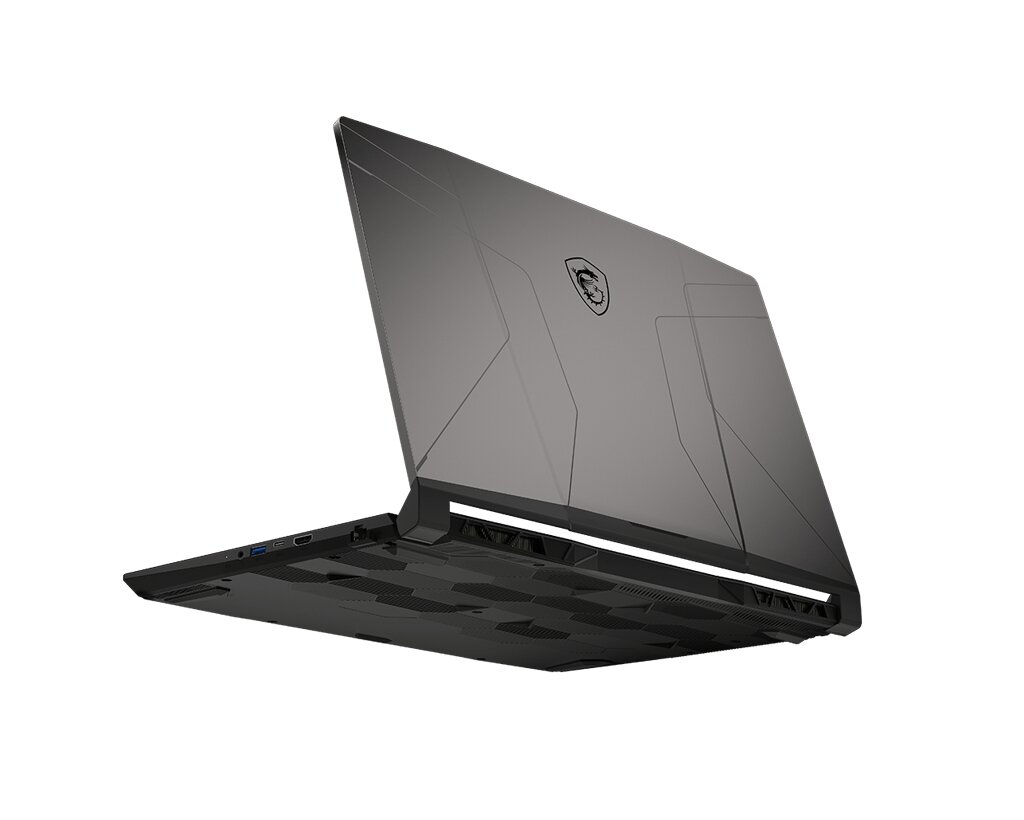
The MSI GL66 12UGSZOK-1204XES Pulse Gaming laptop features DDR4-SDRAM memory upgrade specifications with 2x SO-DIMM slots supporting maximum capacity of 64 GB. Compatible memory operates at 3200 MHz frequency. The SO-DIMM form factor specifications enable memory expansion for enhanced system performance. Existing memory configurations can be upgraded by replacing or adding compatible DDR4 modules to the available slots, subject to maximum capacity limitations of the GL series platform.
Memory Upgrade Specifications
| Specification | Value |
|---|---|
| Memory slots | 2x SO-DIMM |
| Form factor | SO-DIMM |
| Memory type | DDR4-SDRAM |
| Frequency | 3200 MHz |
| Maximum RAM | 64 GB |
| Voltage | 1.2V |
| Number of pins | 260-pin |
| Interface | PC4 |
| PC Speed Rating | PC4-3200 (PC4-25600) |
| Bandwidth | 25.6 GB/s |
| Laptop Release date | 19 September 2022 |
Additional Notes
- The MSI GL66 12UGSZOK-1204XES Pulse contains 2 SO-DIMM slots, meaning both slots must be populated to achieve maximum capacity; a single module cannot be installed in isolation without forcing single-channel memory operation and halving bandwidth throughput.
- DDR4-3200 memory operates at a fixed frequency negotiated by JEDEC standards, so purchasing faster DDR4 modules (3600 or above) will downclock automatically to 3200 upon installation, making premium-speed memory a financial inefficiency.
- SO-DIMM modules occupy approximately 67 millimeters in length, requiring access to internal compartments typically located beneath the keyboard deck or base panel; removal of internal components may void hardware warranties unless performed by authorized service personnel.
- Upgrading from the factory configuration to the 64 GB maximum requires 2x32GB SO-DIMM modules; this configuration may generate thermal stress on the memory controller integrated into the CPU, particularly under sustained gaming loads exceeding 2 hours.
- The 2-slot architecture prevents incremental scaling; users cannot mix capacities across slots and expect load balancing, as mismatched DIMM pairs may trigger BIOS errors or force operation at reduced clock speeds.
- DDR4 supply chains are contracting as the industry transitions to DDR5; procurement of SO-DIMM modules at current specifications may become economically disadvantageous within 18 to 24 months relative to newer memory standards.