MSI Gaming GL66 12UGSZOK-885AU Pulse RAM upgrade specifications

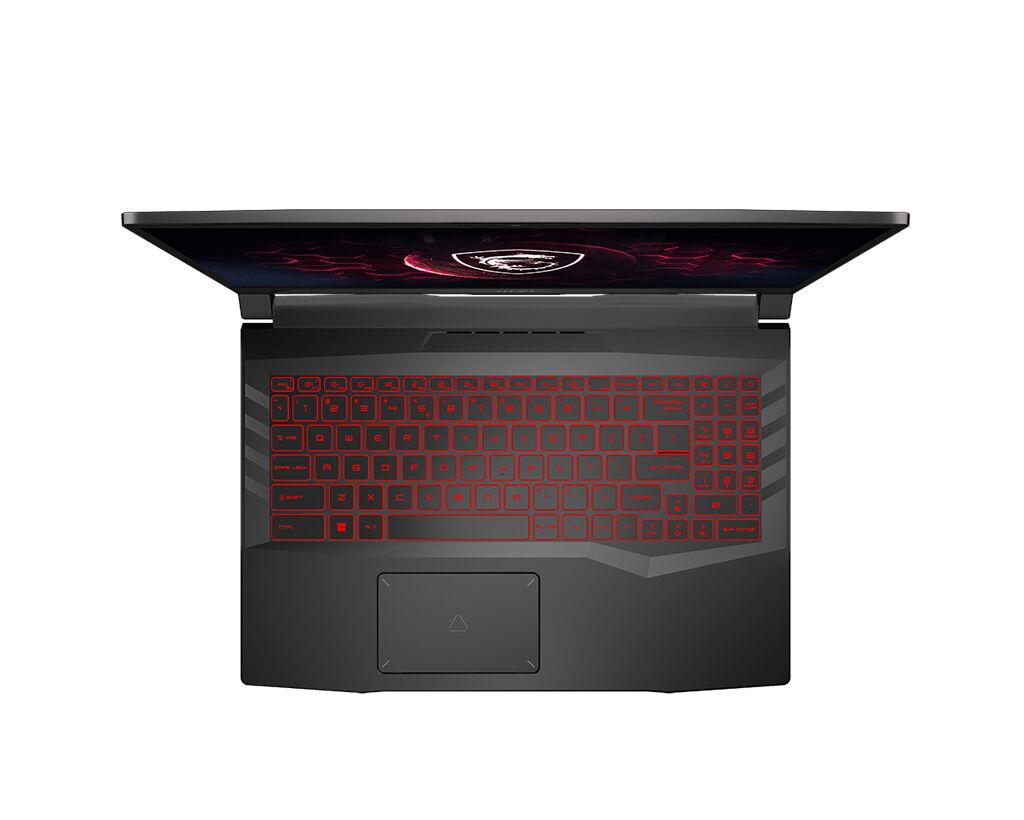
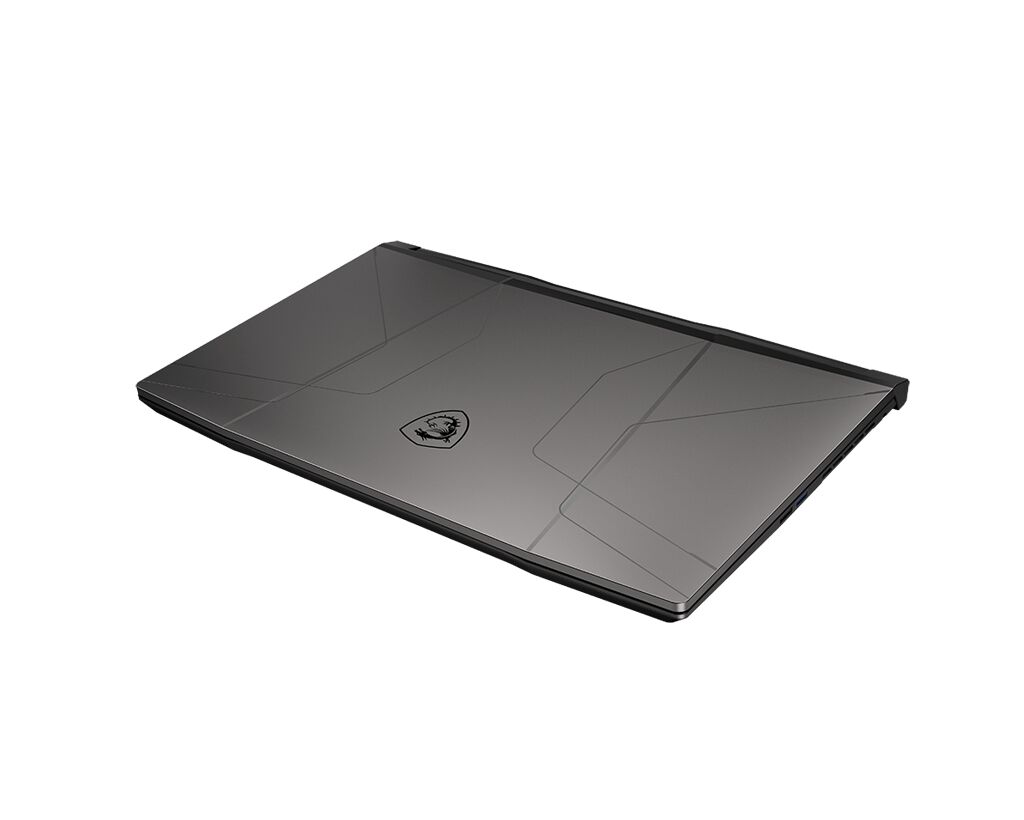
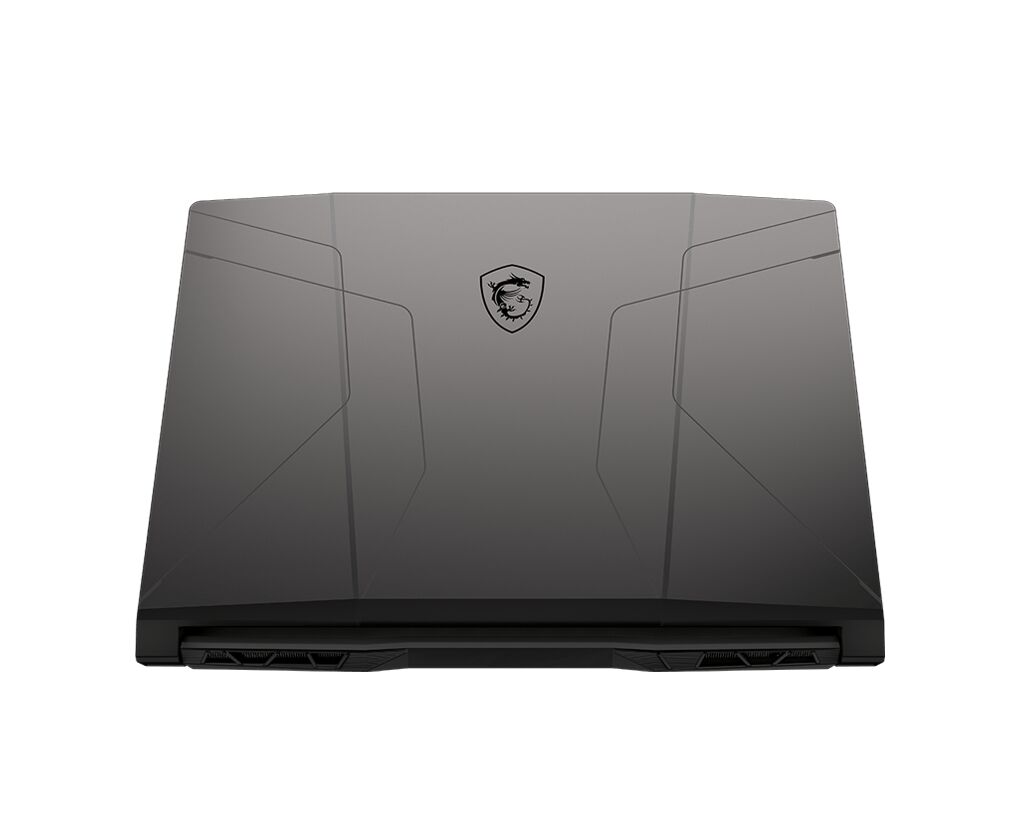
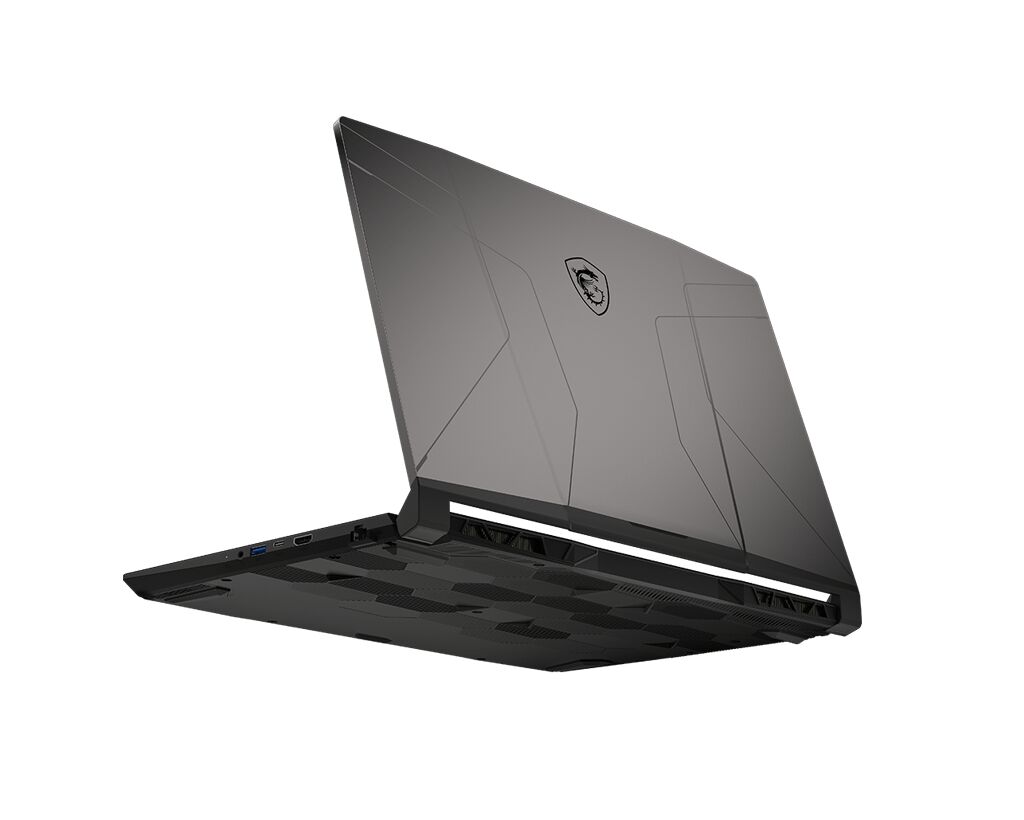
MSI GL66 12UGSZOK-885AU Pulse gaming laptop supports DDR5-SDRAM memory upgrades with two SO-DIMM slots. Maximum compatible RAM capacity reaches 64 GB total. Memory specifications include DDR5 operating at 4800 MHz frequency. Current upgrade configurations accommodate standard SO-DIMM form factor modules. Existing memory modules can be replaced or supplemented to achieve maximum capacity specifications. Gaming series GL66 Pulse model maintains compatibility with DDR5-SDRAM standards for memory upgrades and installations.
Memory Upgrade Specifications
| Specification | Value |
|---|---|
| Memory slots | 2x SO-DIMM |
| Form factor | SO-DIMM |
| Memory type | DDR5-SDRAM |
| Frequency | 4800 MHz |
| Maximum RAM | 64 GB |
| Voltage | 1.1V |
| Number of pins | 262-pin |
| Interface | PC5 |
| PC Speed Rating | PC5-4800 (PC5-38400) |
| Bandwidth | 38.4 GB/s |
| Laptop Release date | 22 July 2022 |
Additional Notes
- The MSI GL66 12UGSZOK-885AU Pulse uses DDR5 memory operating at 4800 MHz, which introduces compatibility constraints with aftermarket modules. DDR5-4800 rated sticks must be sourced specifically, as lower-rated DDR5 variants (5600 MHz and above) will downclock to the system's rated frequency, resulting in performance inconsistency across mixed configurations.
- SO-DIMM slots occupy limited vertical clearance beneath the keyboard deck. Large heatspreader profiles on some DDR5 SO-DIMM modules may contact internal components during insertion, necessitating verification of module height specifications before purchase to prevent physical interference.
- The 64 GB maximum capacity ceiling exists as a firmware limitation rather than a slot limitation. Upgrading beyond the factory configuration requires matching both module capacity and DDR5-4800 rating; standard 32 GB SO-DIMM modules are still uncommon in retail channels, restricting upgrade paths to specialized suppliers.
- DDR5 memory operates at 1.1 volts nominal with tighter voltage tolerances than DDR4. Non-standard modules or those with incompatible XMP/JEDEC profiles may trigger BIOS protection mechanisms, causing boot failures or automatic frequency throttling that negates bandwidth gains from the upgrade.
- Bandwidth saturation occurs with dual SO-DIMM configuration due to the 12th-generation Intel platform's memory controller architecture. Upgrading from single to dual-channel operation provides measurable latency reduction, but single-slot configurations cannot leverage full DDR5 throughput potential regardless of module speed.