MSI Gaming GL66 2UGK-465ES Pulse RAM upgrade specifications
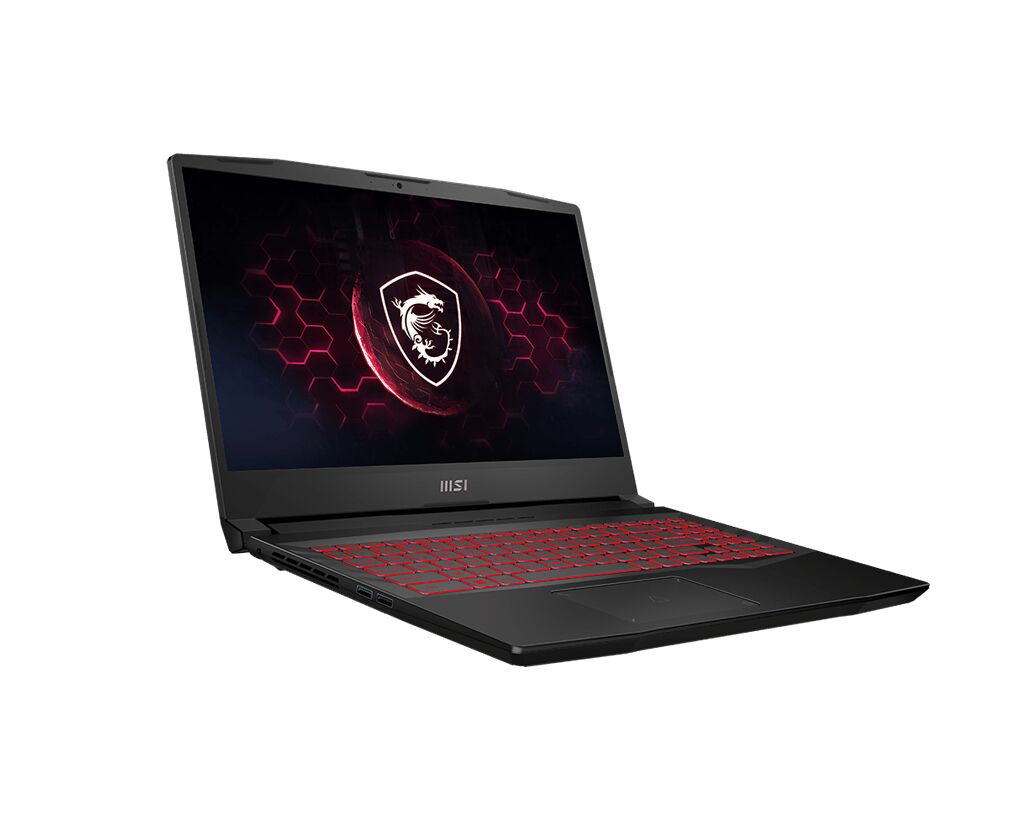
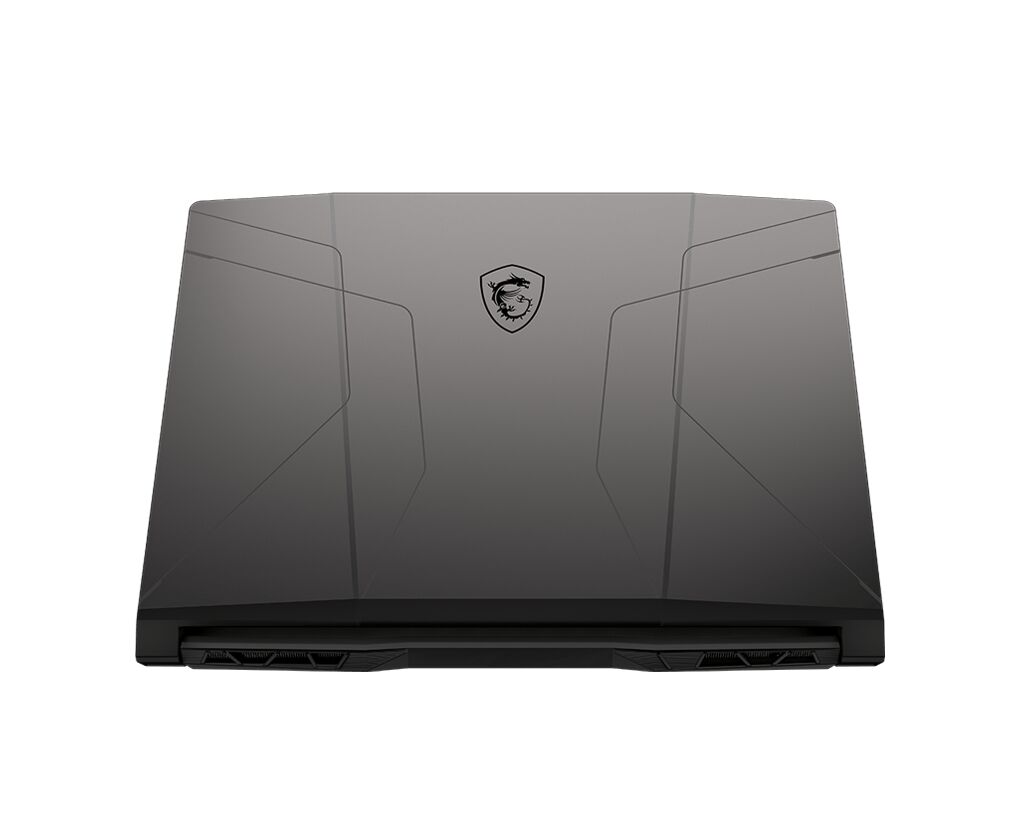
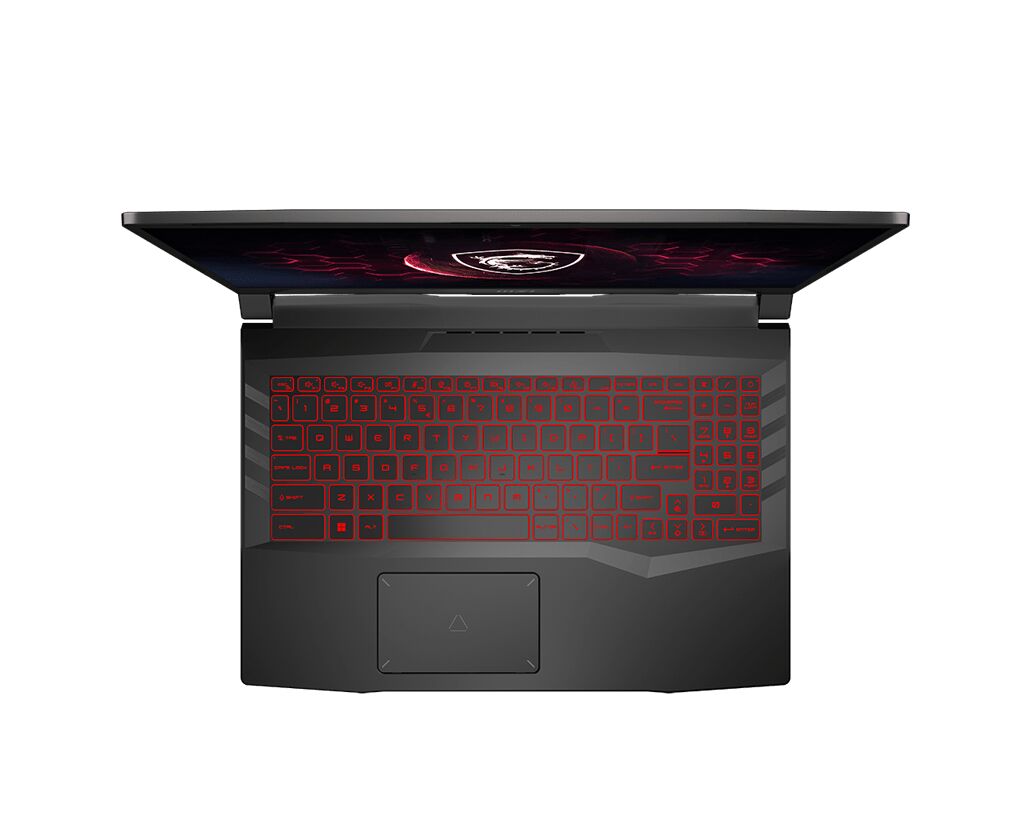
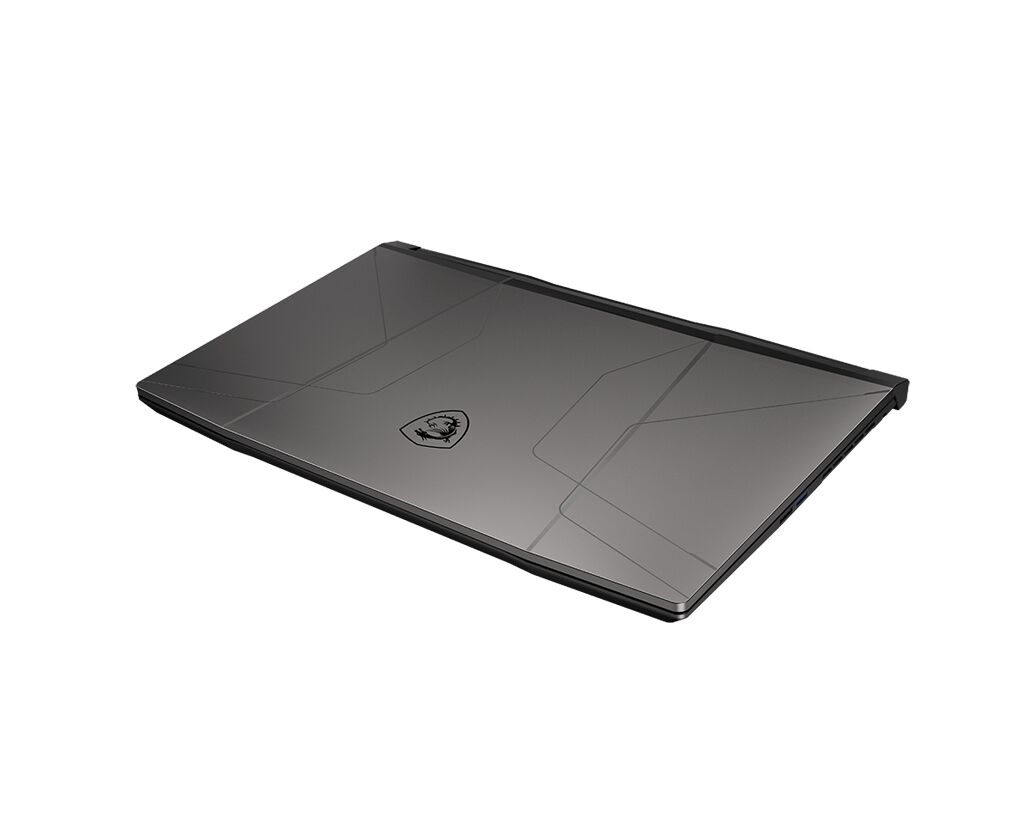
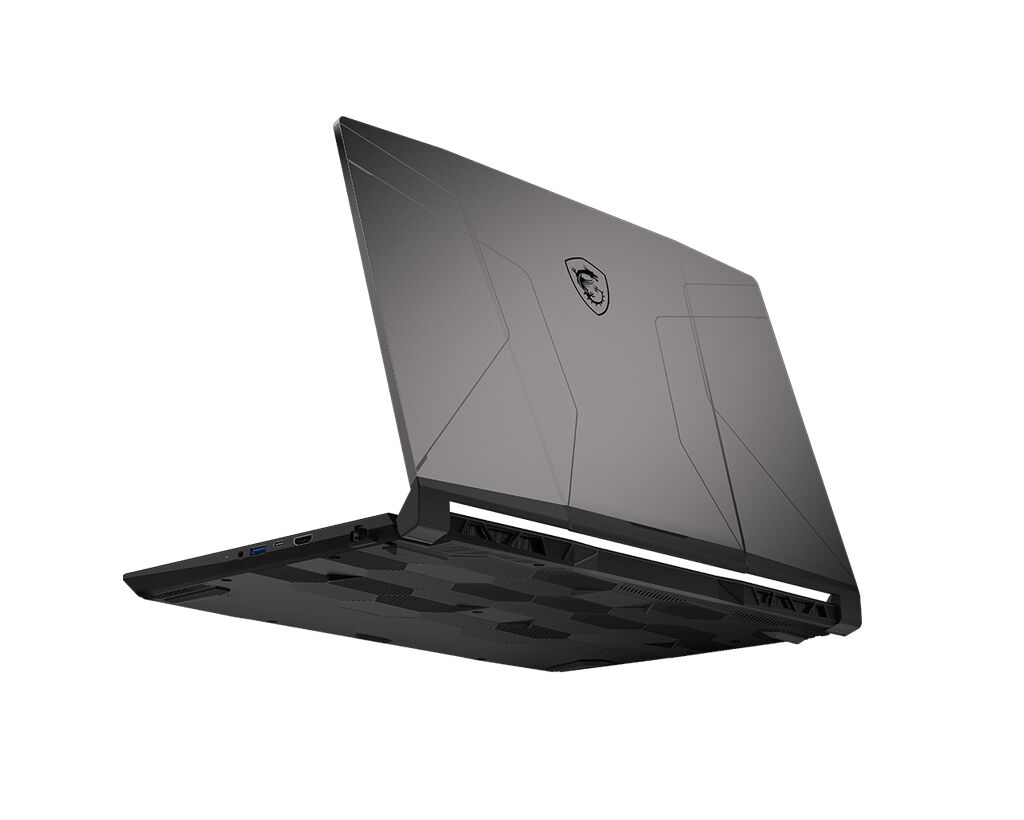
MSI GL66 2UGK-465ES Pulse gaming laptop supports DDR4-SDRAM memory upgrade through 2x SO-DIMM slots. Maximum compatible RAM capacity reaches 64 GB total. Current specifications include 3200 MHz frequency support with SO-DIMM form factor. Memory upgrade slots accommodate standard laptop DDR4 modules for enhanced multitasking performance in gaming applications.
Memory Upgrade Specifications
| Specification | Value |
|---|---|
| Memory slots | 2x SO-DIMM |
| Form factor | SO-DIMM |
| Memory type | DDR4-SDRAM |
| Frequency | 3200 MHz |
| Maximum RAM | 64 GB |
| Voltage | 1.2V |
| Number of pins | 260-pin |
| Interface | PC4 |
| PC Speed Rating | PC4-3200 (PC4-25600) |
| Bandwidth | 25.6 GB/s |
| Laptop Release date | 23 February 2022 |
Additional Notes
- The MSI GL66 2UGK-465ES Pulse employs a dual-channel architecture that requires matched module pairs to achieve optimal memory bandwidth, as single-module configurations will operate at half the theoretical throughput.
- The 64 GB ceiling translates to 32 GB per slot, which limits future expansion paths to either 2x32 GB or accepting lower total capacity with smaller modules.
- DDR4-3200 represents the JEDEC standard speed ceiling for this generation, meaning manual XMP profile activation in BIOS may be necessary to achieve advertised frequencies if modules default to 2666 or 2933 MHz base speeds.
- SO-DIMM form factor restricts module height to 30 mm maximum, which eliminates compatibility with desktop-oriented heat spreaders or RGB lighting modules exceeding this physical envelope.
- Mixing modules with different CAS latencies, even at identical 3200 MHz speeds, forces the memory controller to operate all modules at the slowest timing specification present in the system.
- Access to the memory slots requires bottom panel removal, which typically voids no warranties under consumer protection laws in most jurisdictions, though verifying regional policies remains advisable before disassembly.
- The DDR4 generation does not support backward or forward compatibility with DDR3 or DDR5 modules due to incompatible voltage requirements and physical notch positioning.
- Operating voltage for DDR4-3200 modules standardizes at 1.2V, while certain overclocked variants requiring 1.35V or higher may cause thermal throttling or instability in thermally constrained laptop chassis.
- Single-rank versus dual-rank module architecture impacts performance differently across workloads, with dual-rank configurations offering marginal gains in memory-intensive applications at the cost of slightly higher power draw.
- Non-ECC unbuffered modules are mandatory for this consumer platform, as registered or error-correcting memory types will fail POST due to chipset incompatibility.