MSI Gaming GL66 12UGSZOK-886AU Pulse RAM upgrade specifications

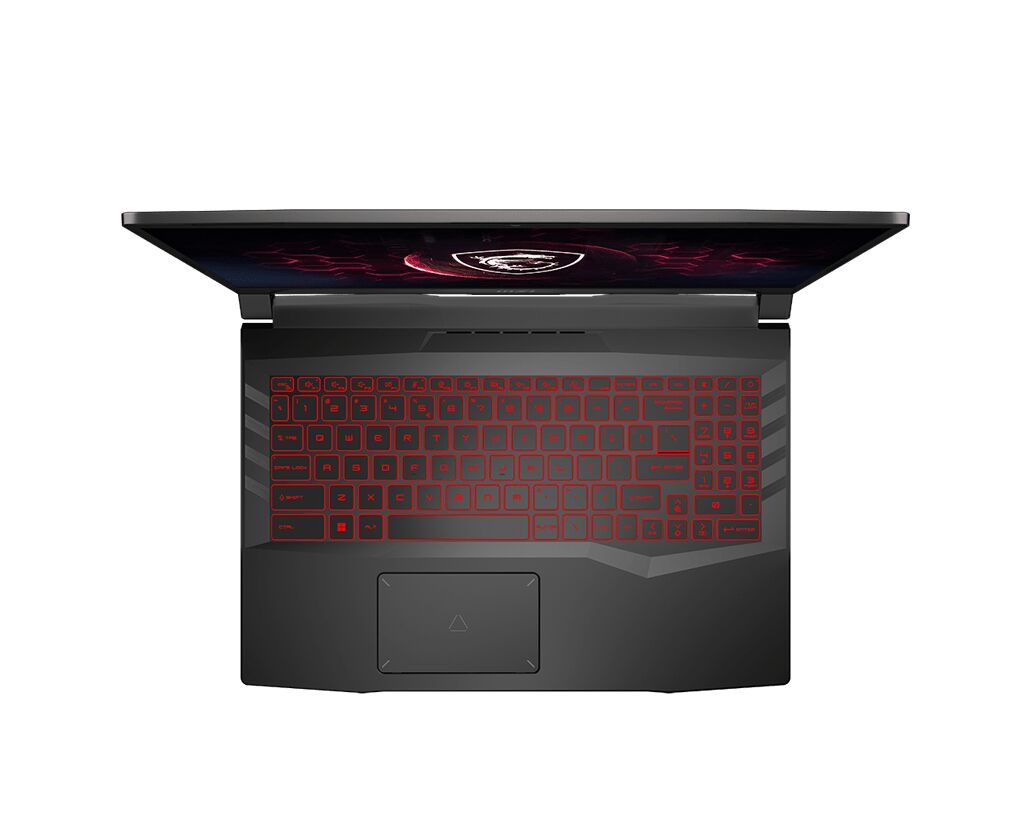
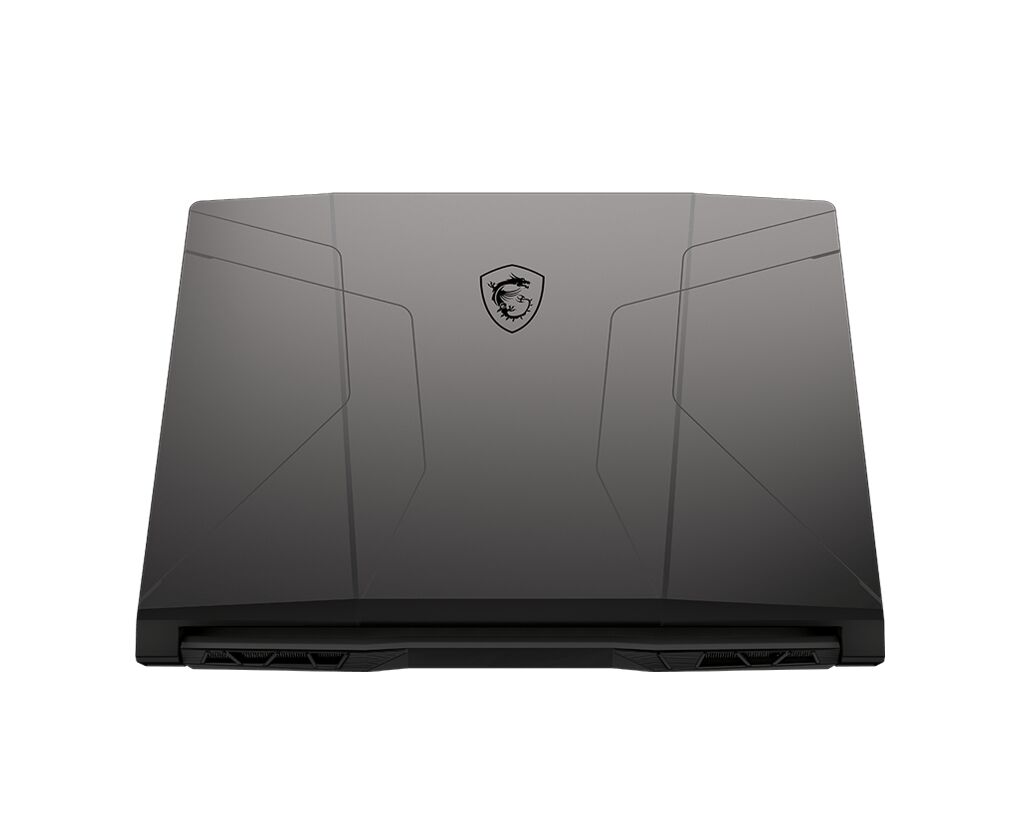
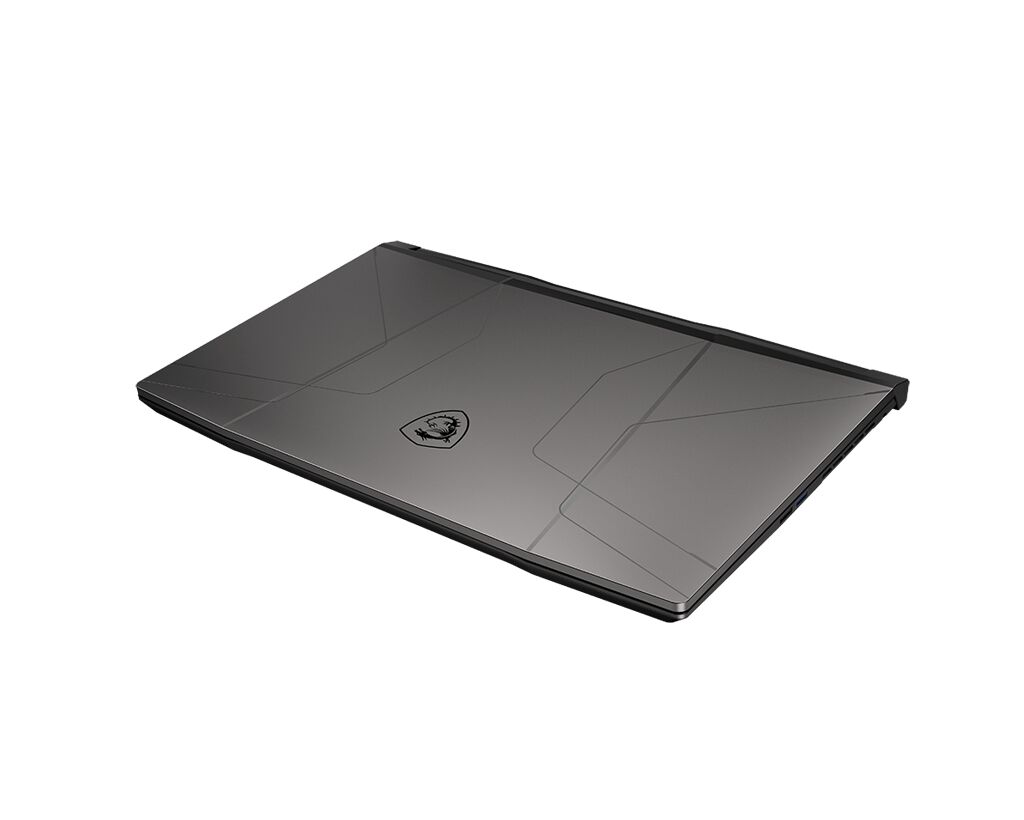
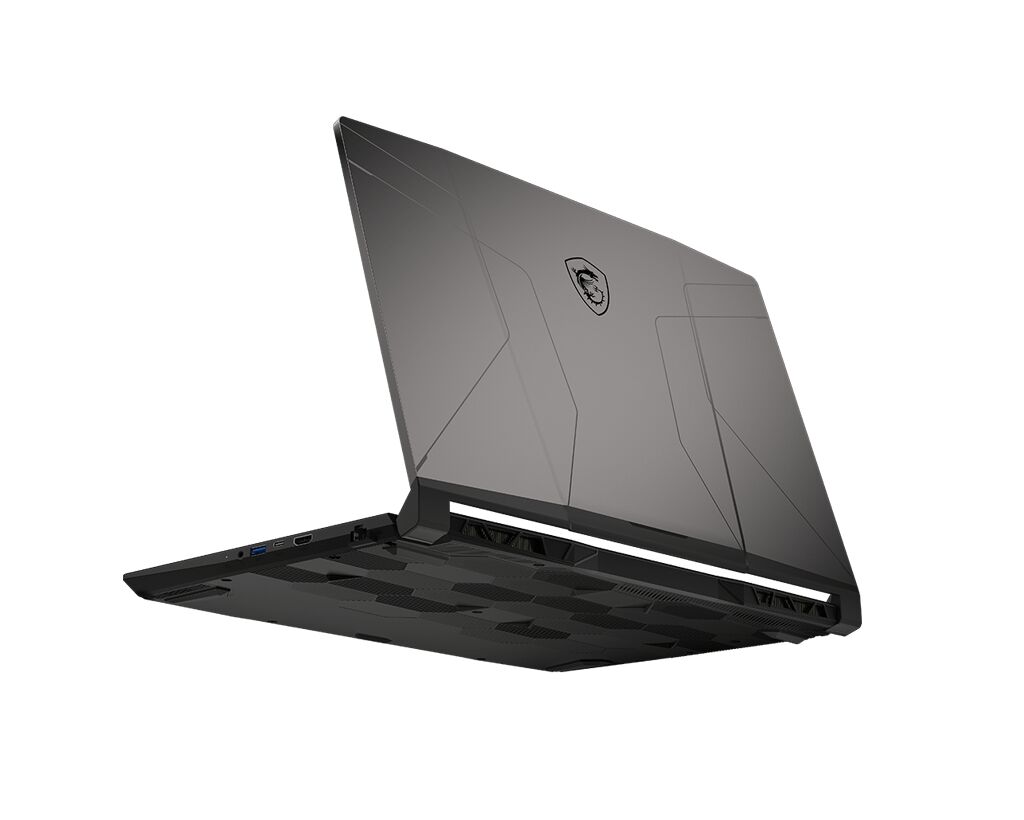
The MSI GL66 12UGSZOK-886AU Pulse Gaming laptop features DDR5-SDRAM memory upgrade specifications with two SO-DIMM slots. The maximum supported RAM capacity reaches 64 GB, with compatible modules operating at 4800 MHz frequency. The GL series model supports DDR5 memory upgrades in SO-DIMM form factor, enabling users to expand memory beyond factory-installed configurations. Specifications indicate the GL66 Pulse gaming system accommodates memory upgrades through dual slot architecture, with each slot supporting up to 32 GB DDR5 modules for maximum compatibility and performance.
Memory Upgrade Specifications
| Specification | Value |
|---|---|
| Memory slots | 2x SO-DIMM |
| Form factor | SO-DIMM |
| Memory type | DDR5-SDRAM |
| Frequency | 4800 MHz |
| Maximum RAM | 64 GB |
| Voltage | 1.1V |
| Number of pins | 262-pin |
| Interface | PC5 |
| PC Speed Rating | PC5-4800 (PC5-38400) |
| Bandwidth | 38.4 GB/s |
| Laptop Release date | 22 July 2022 |
Additional Notes
- The dual channel architecture requires symmetrical module pairs to achieve maximum memory bandwidth for the MSI GL66 12UGSZOK-886AU Pulse during high load gaming scenarios.
- The integrated memory controller on the 12th Gen platform scales down the frequency if modules with higher timings or mismatched latencies are installed together.
- Utilizing the 64 GB capacity limit necessitates the replacement of both factory modules since no expansion slots remain vacant for incremental additions.
- The DDR5 standard operates at a lower base voltage than previous generations which reduces the thermal footprint within the compact chassis during intensive data processing.
- Internal access for hardware modifications involves bottom panel removal which typically requires maintaining the integrity of the factory seal to preserve the manufacturer warranty status.
- On-die ECC features inherent to this memory type provide enhanced stability against single-bit errors without requiring specialized workstation grade motherboards.
- Physical height constraints within the SO-DIMM bays restrict the use of thick aftermarket heat spreaders that might interfere with the bottom casing.