MSI Gaming GL73 8SC-006 RAM upgrade specifications
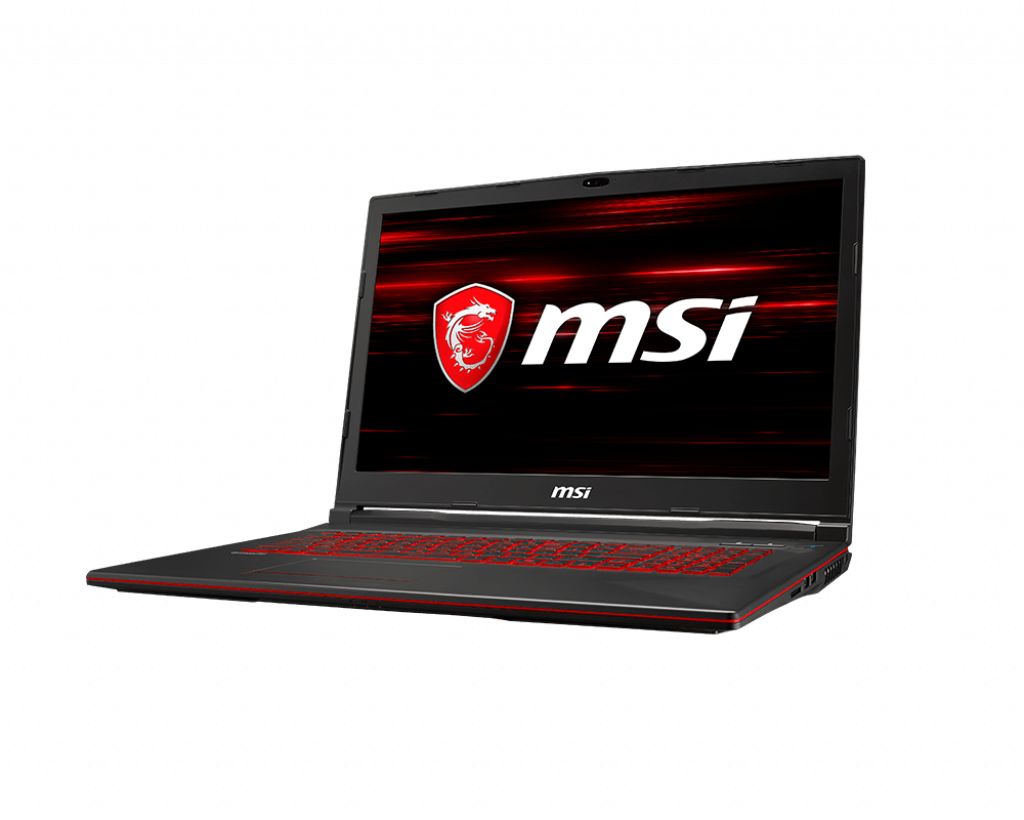
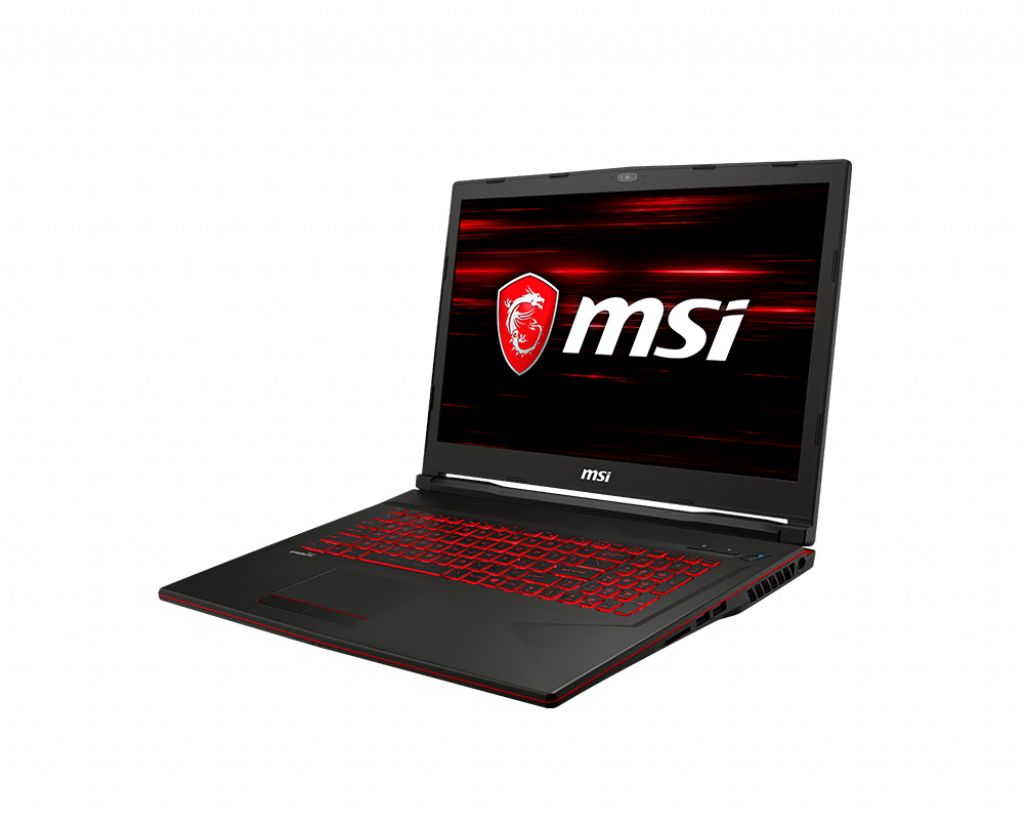


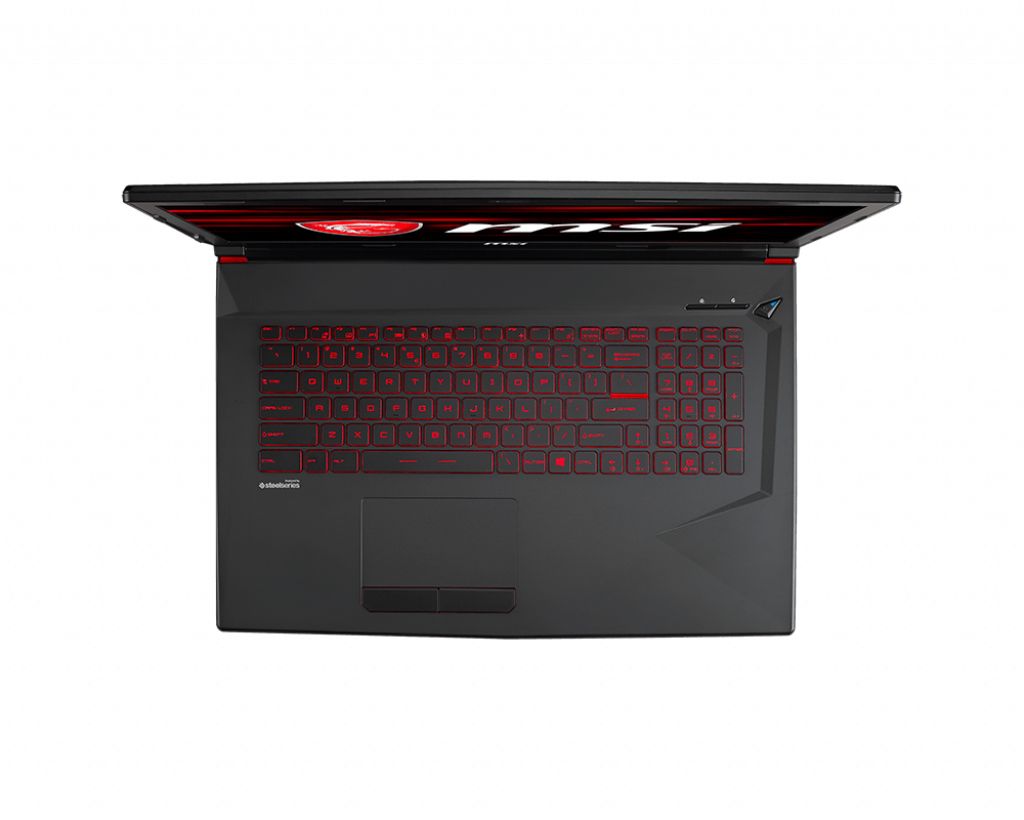
MSI GL73 8SC-006 gaming laptop supports DDR4-SDRAM memory upgrades through 2x SO-DIMM slots. The Gaming GL series model accommodates a maximum RAM capacity of 32 GB total, with compatible memory modules operating at 2666 MHz frequency. The SO-DIMM form factor specifications enable memory expansion and upgrade configurations for enhanced system performance. Compatible upgrades require DDR4-SDRAM modules matching the specified frequency and form factor compatible with the GL73 8SC-006 specifications.
Memory Upgrade Specifications
| Specification | Value |
|---|---|
| Memory slots | 2x SO-DIMM |
| Form factor | SO-DIMM |
| Memory type | DDR4-SDRAM |
| Frequency | 2666 MHz |
| Maximum RAM | 32 GB |
| Voltage | 1.2V |
| Number of pins | 260-pin |
| Interface | PC4 |
| PC Speed Rating | PC4-2666 (PC4-21328) |
| Bandwidth | 21.3 GB/s |
| Laptop Release date | 31 October 2019 |
Additional Notes
- The MSI GL73 8SC-006 contains 2 SO-DIMM slots with a 32 GB aggregate ceiling, meaning each slot supports up to 16 GB modules. Single-channel configurations will result in measurable latency penalties compared to dual-channel operation.
- DDR4-2666 MHz represents the JEDEC standard for 8th-generation Intel platforms. Memory modules exceeding 2666 MHz frequency operate outside native specifications and may require manual BIOS configuration or exhibit reduced stability without warranty protection.
- SO-DIMM form factor imposes strict height constraints; replacement modules exceeding 32 mm typically contact internal cooling infrastructure or battery assemblies, preventing proper seating regardless of electrical compatibility.
- The 2-slot architecture eliminates staged upgrade flexibility. Expanding from 1 module to 2 modules requires removal and replacement of the existing module rather than additive installation, necessitating temporary storage or alternative hardware during the transition.
- DDR4 modules manufactured after 2020 frequently ship with voltage specifications of 1.2 V rather than the legacy 1.2 V standard this platform expects, creating potential initialization failures during POST sequences despite matching frequency and capacity ratings.
- Total bandwidth saturation occurs at approximately 21 GB/s under dual-channel conditions. Sustained data transfers exceeding this threshold (common in video encoding, 3D rendering, or large dataset processing) will stall on memory wait-states rather than CPU execution.