MSI Gaming GL73 8SC-033XRU RAM upgrade specifications
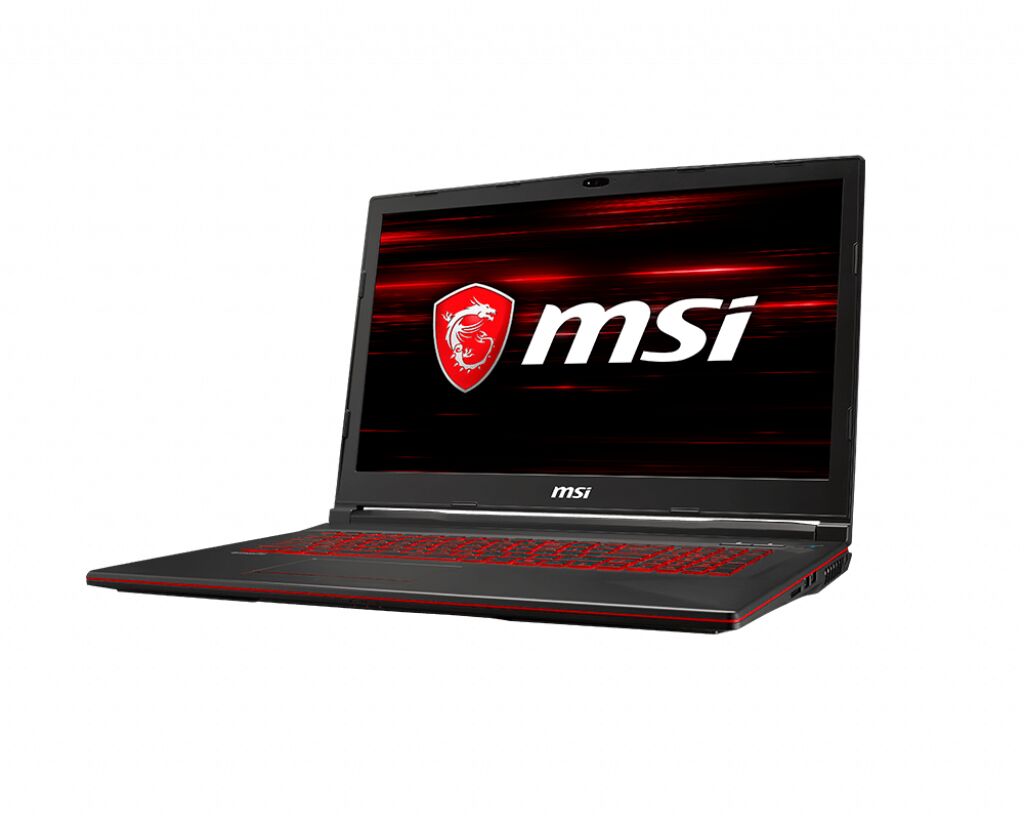
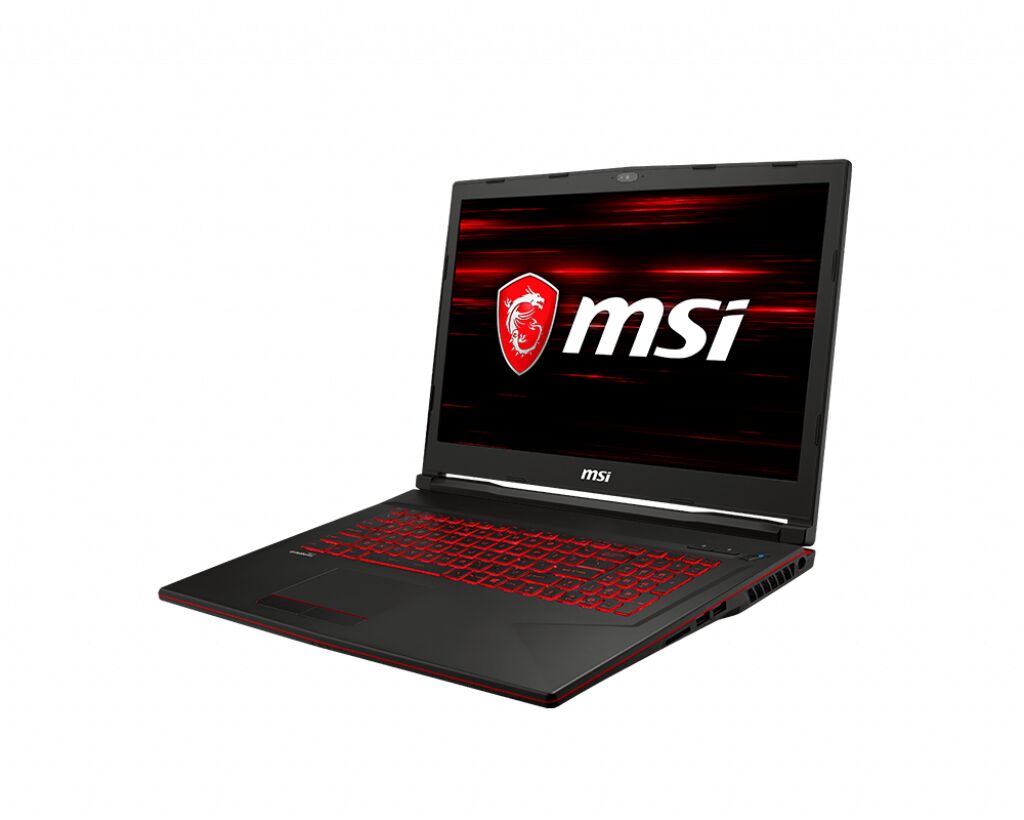
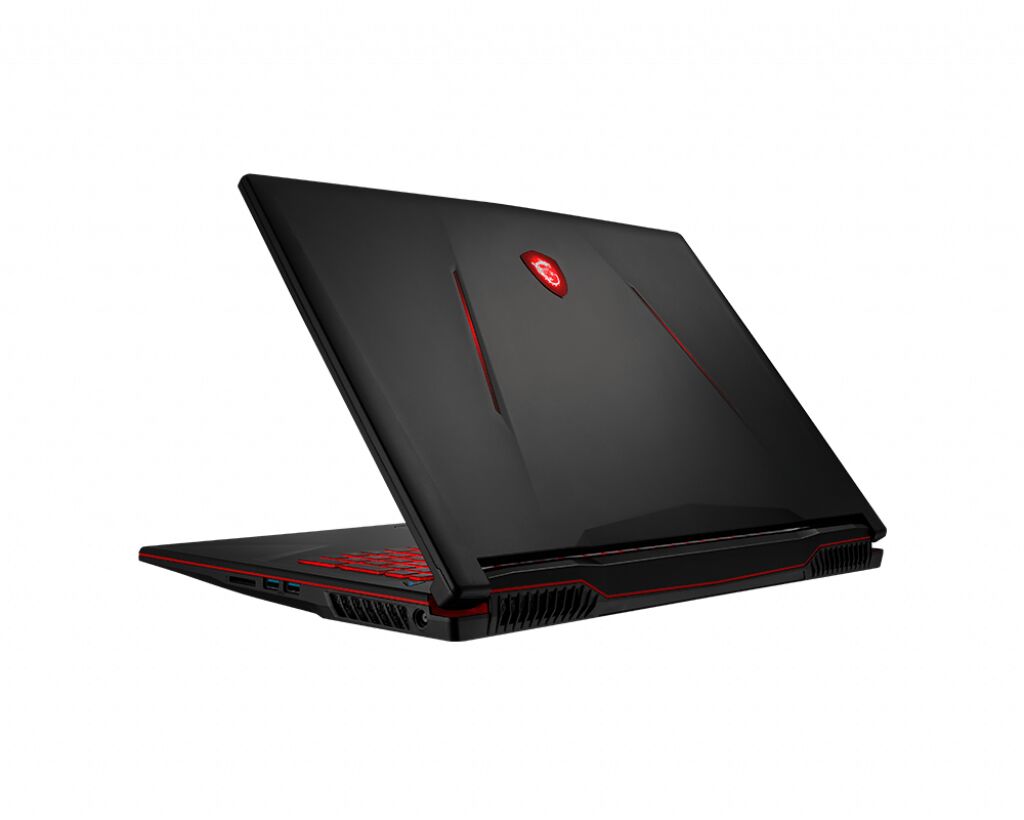
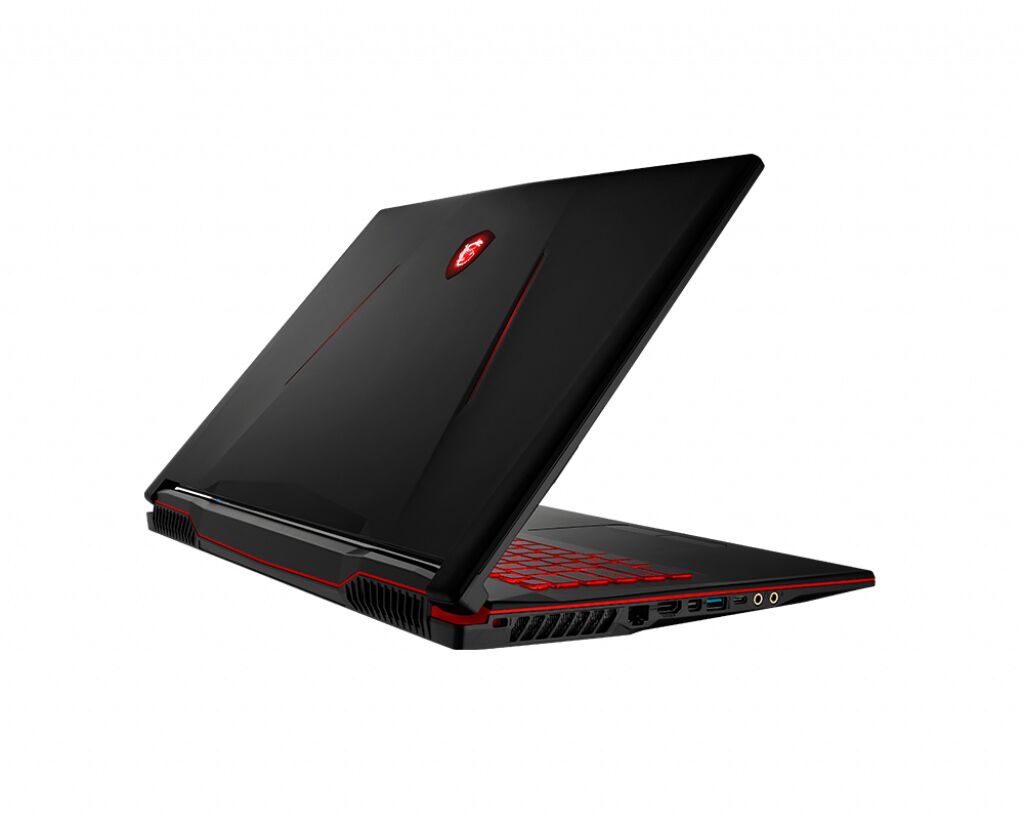
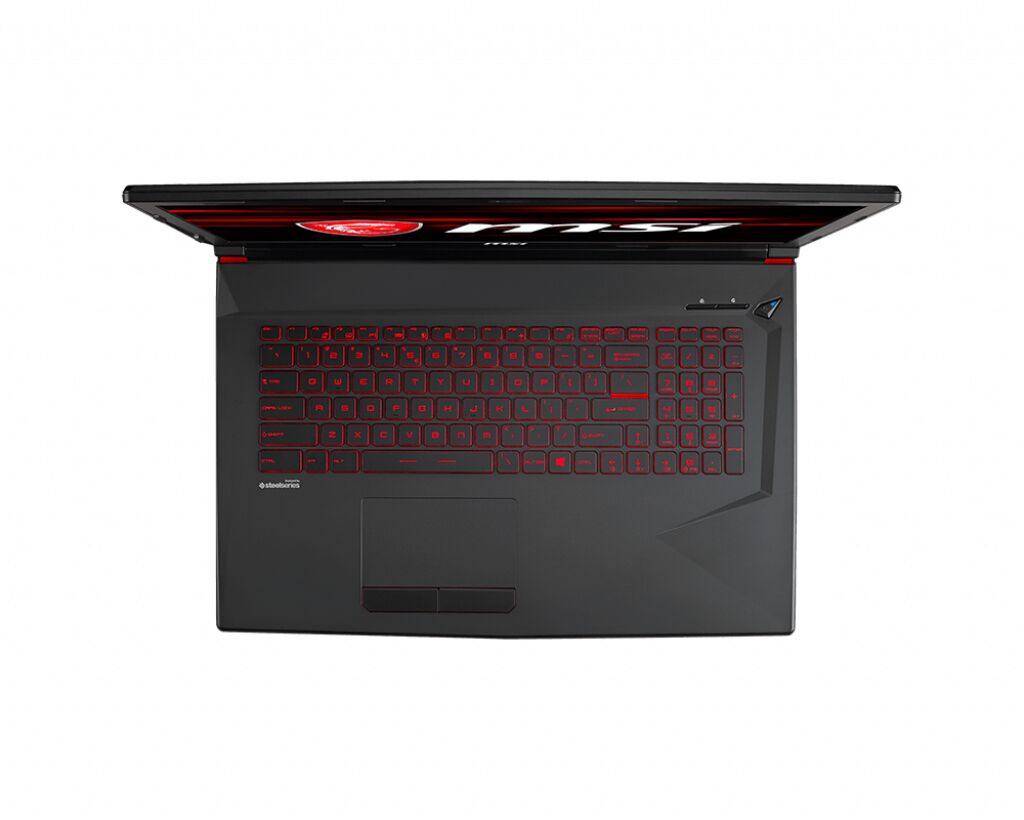
MSI GL73 8SC-033XRU gaming laptop memory upgrade specifications include DDR4-SDRAM compatibility with 2x SO-DIMM slots supporting maximum RAM capacity of 32 GB. Compatible memory modules operate at 2666 MHz frequency. The GL series gaming model accommodates SO-DIMM form factor upgrades. Specifications indicate maximum memory configuration achieves 32 GB total capacity across available slots for enhanced system performance and multitasking capability.
Memory Upgrade Specifications
| Specification | Value |
|---|---|
| Memory slots | 2x SO-DIMM |
| Form factor | SO-DIMM |
| Memory type | DDR4-SDRAM |
| Frequency | 2666 MHz |
| Maximum RAM | 32 GB |
| Voltage | 1.2V |
| Number of pins | 260-pin |
| Interface | PC4 |
| PC Speed Rating | PC4-2666 (PC4-21328) |
| Bandwidth | 21.3 GB/s |
| Laptop Release date | 04 October 2019 |
Additional Notes
- Dual channel architectural benefits require matching modules in both physical slots to maximize memory controller throughput.
- The MSI GL73 8SC-033XRU utilizes a standard SODIMM architecture which prevents the use of desktop DIMM hardware due to pin count and physical length disparities.
- Installing a single 32 GB module will result in single channel operation and reduced bandwidth since the system distributes the maximum supported capacity across 2 slots.
- High frequency modules rated above 2666 MHz will automatically downclock to match the hardware limitations of the chipset and processor controller.
- Accessing the memory slots necessitates the removal of the entire bottom chassis plate which may involve breaking factory seal stickers in certain jurisdictions.
- The absence of soldered memory on the motherboard ensures that both banks remain user replaceable for future hardware maintenance or failure recovery.
- Mixing modules with different latency timings will force the BIOS to default to the slowest common denominator for system stability.
- Voltage compatibility is restricted to 1.2V standards common to DDR4 as higher voltage overclocking profiles lack native BIOS support.