MSI Gaming GL73 8SD RAM upgrade specifications
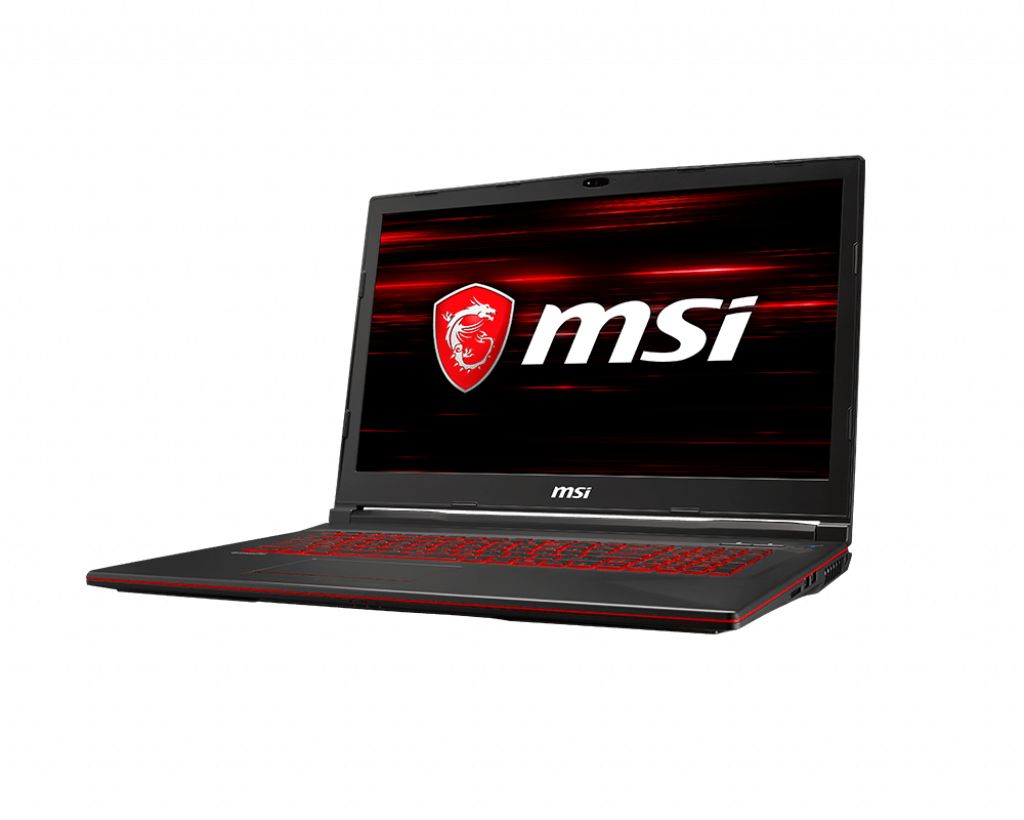
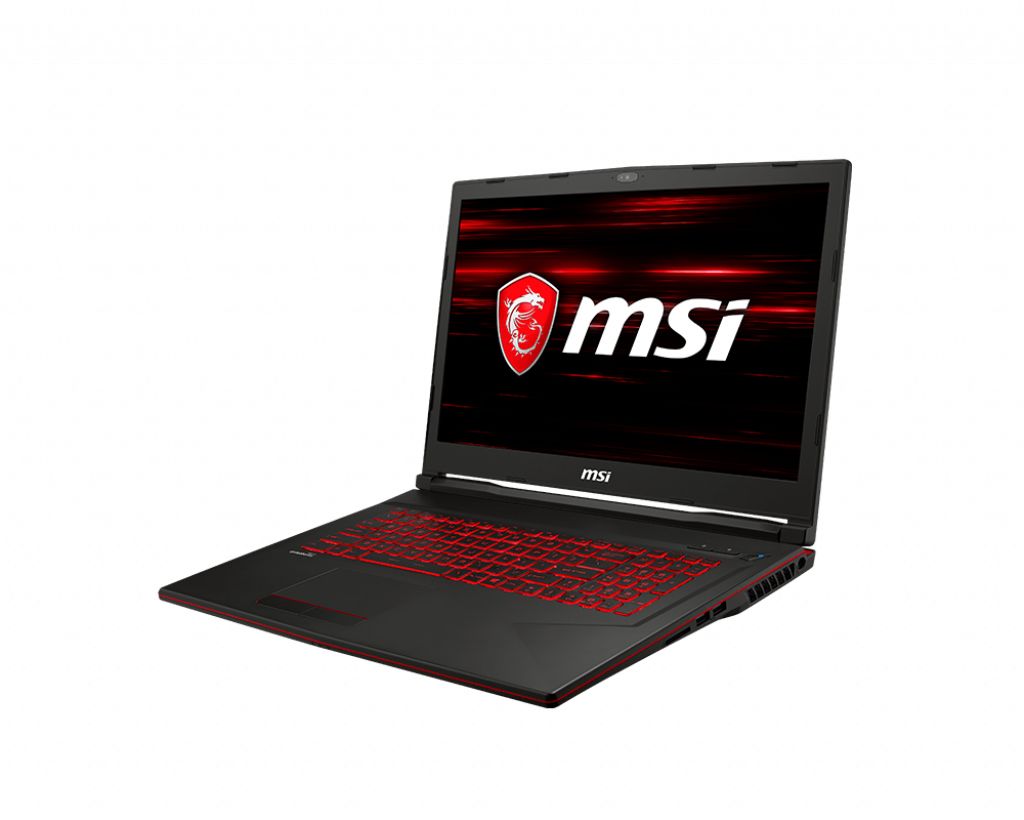


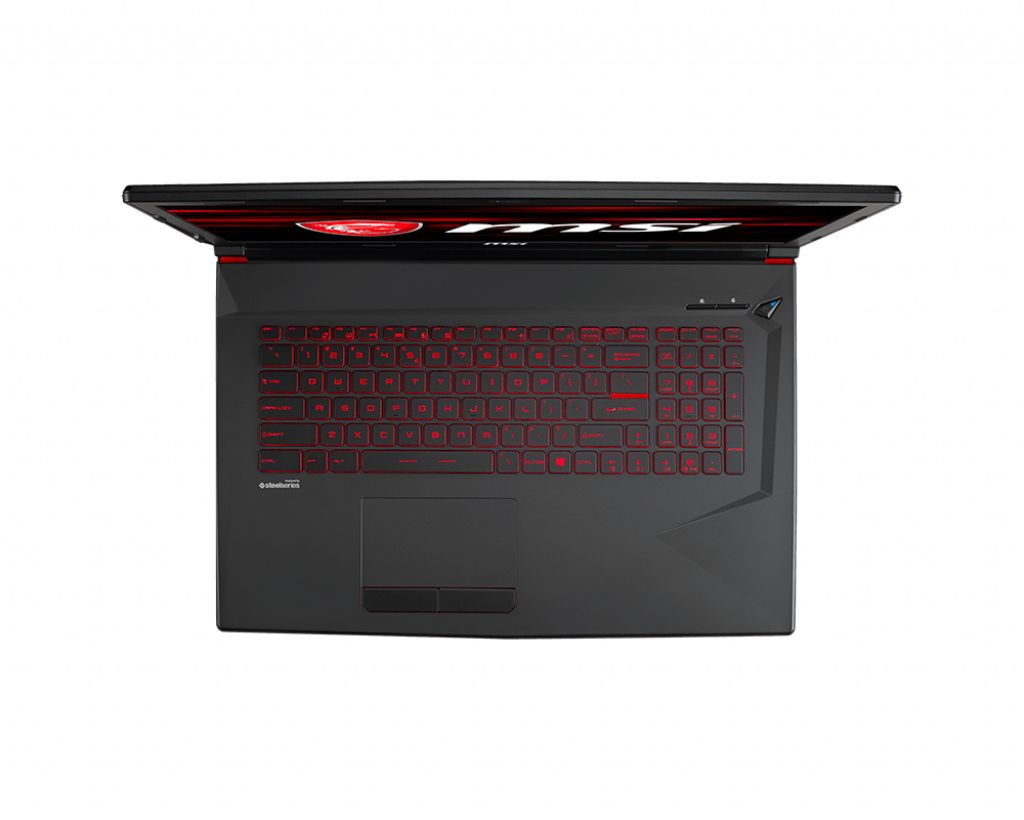
MSI GL73 8SD Gaming laptop memory upgrade specifications include DDR4-SDRAM compatible modules with SO-DIMM form factor. The system features 2x SO-DIMM slots supporting maximum RAM capacity of 32 GB total. Memory operates at 2666 MHz frequency. Upgrade components must be DDR4-SDRAM modules compatible with SO-DIMM specifications to ensure proper functionality within the GL series Gaming laptop platform.
Memory Upgrade Specifications
| Specification | Value |
|---|---|
| Memory slots | 2x SO-DIMM |
| Form factor | SO-DIMM |
| Memory type | DDR4-SDRAM |
| Frequency | 2666 MHz |
| Maximum RAM | 32 GB |
| Voltage | 1.2V |
| Number of pins | 260-pin |
| Interface | PC4 |
| PC Speed Rating | PC4-2666 (PC4-21328) |
| Bandwidth | 21.3 GB/s |
| Laptop Release date | 25 May 2019 |
Additional Notes
- The MSI GL73 8SD utilizes SO-DIMM modules, which are physically incompatible with standard desktop DIMM RAM, requiring laptop-specific memory purchases.
- The 2666 MHz frequency represents DDR4-2666 standard, ensuring compatibility with both slower DDR4-2400 modules (which will downclock) and faster DDR4-3200 modules (which will operate at 2666 MHz maximum).
- The 32 GB maximum capacity imposes a practical limit of 2x16 GB module configuration, as 2x32 GB kits will not be recognized beyond 16 GB per slot.
- Dual-channel operation requires matched pairs of identical capacity modules, meaning asymmetric configurations like 8 GB plus 16 GB will result in 16 GB running in single-channel mode with degraded memory bandwidth.
- The Intel 8th generation chipset lacks native support for DDR4 speeds above 2666 MHz, making higher frequency modules a financially inefficient choice despite backward compatibility.
- SO-DIMM installation typically requires bottom panel removal, which may void warranty seals depending on regional consumer protection laws and manufacturer policies.
- The 2-slot configuration means capacity upgrades require complete replacement of existing modules rather than simple addition, potentially leaving functional RAM modules without reuse value.
- Memory voltage is standardized at 1.2V for DDR4 SO-DIMM, but low-voltage variants (1.05V) should be avoided due to potential stability issues with mobile chipsets not explicitly rated for LPDDR4.
- CAS latency variations (CL19 versus CL22) at 2666 MHz will produce minimal real-world performance differences in gaming workloads, typically under 3 percent frame rate variance.
- The chipset supports non-ECC unbuffered memory only, making server-grade ECC SO-DIMM modules physically installable but functionally incompatible and undetectable.