MSI Gaming GL73 8SD-045CA RAM upgrade specifications
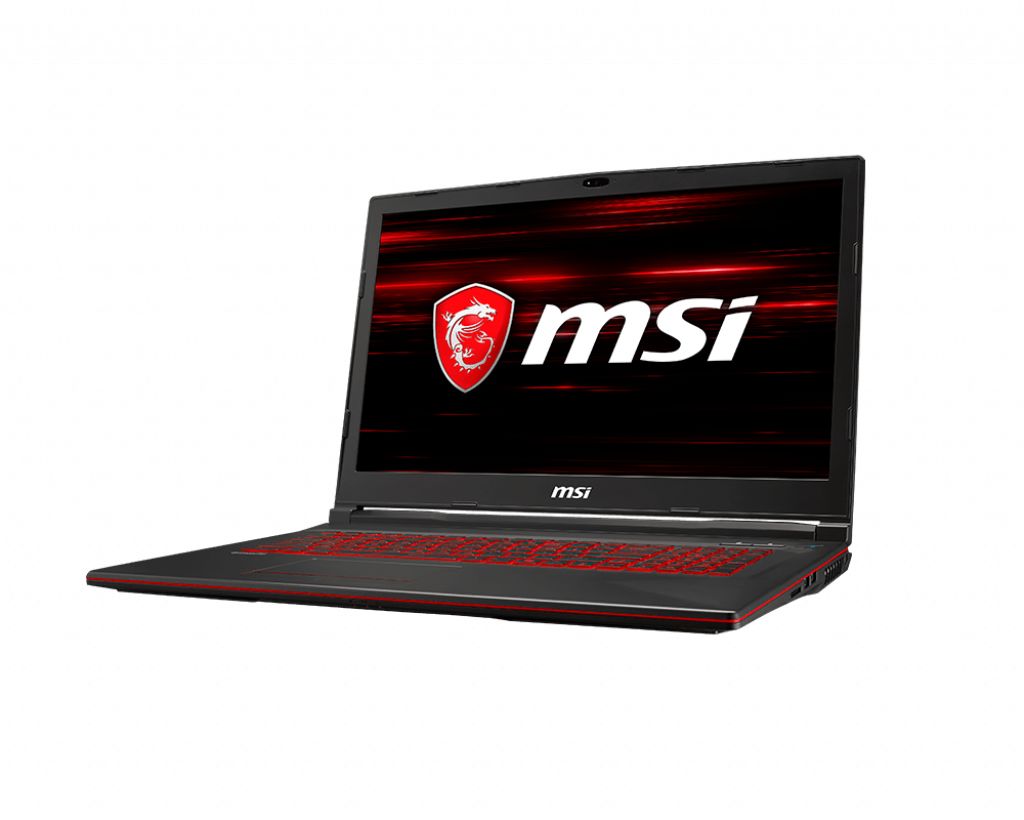
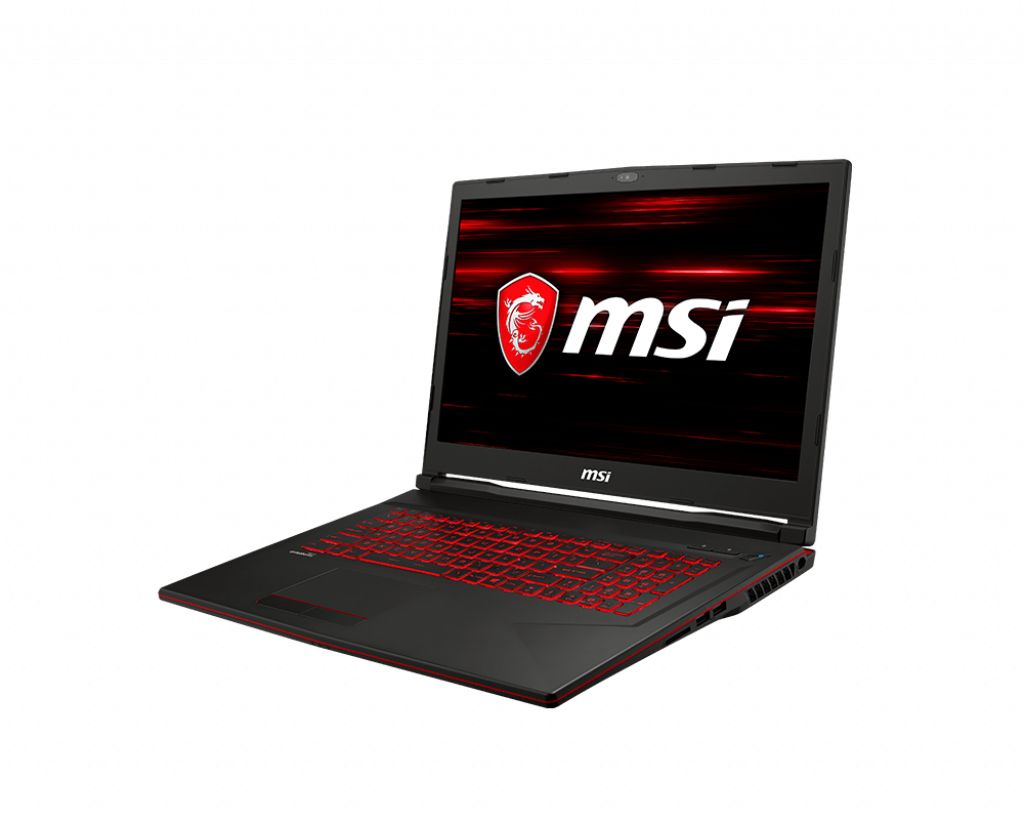
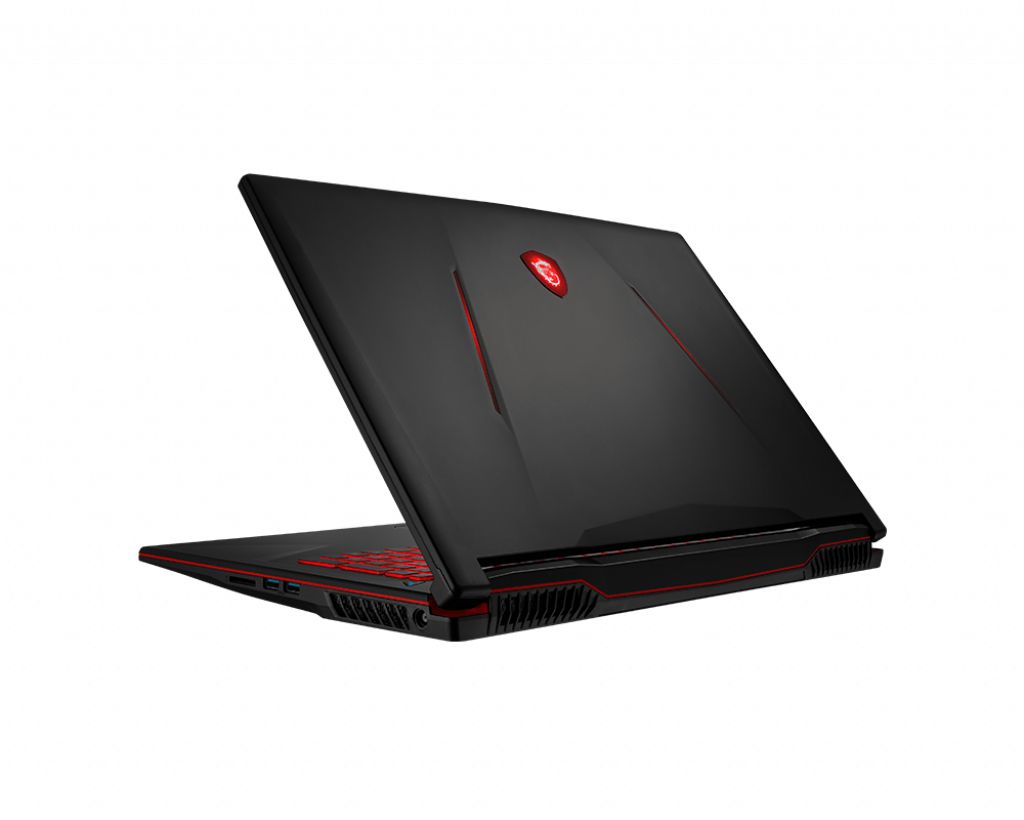
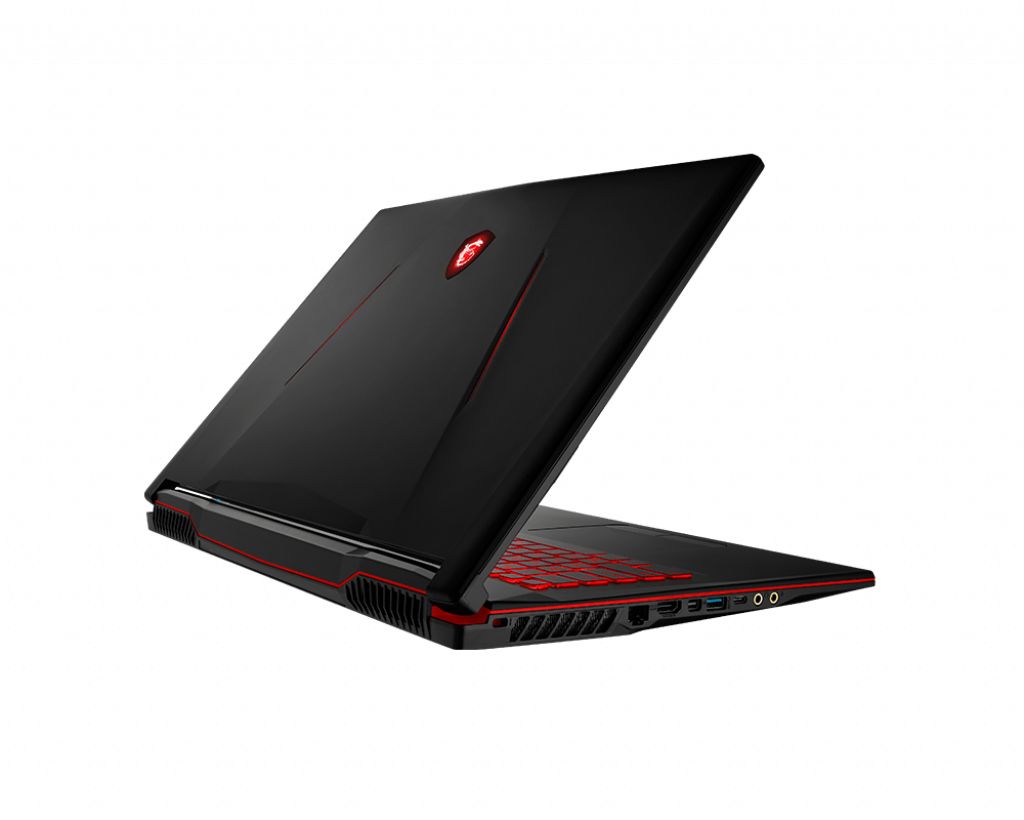
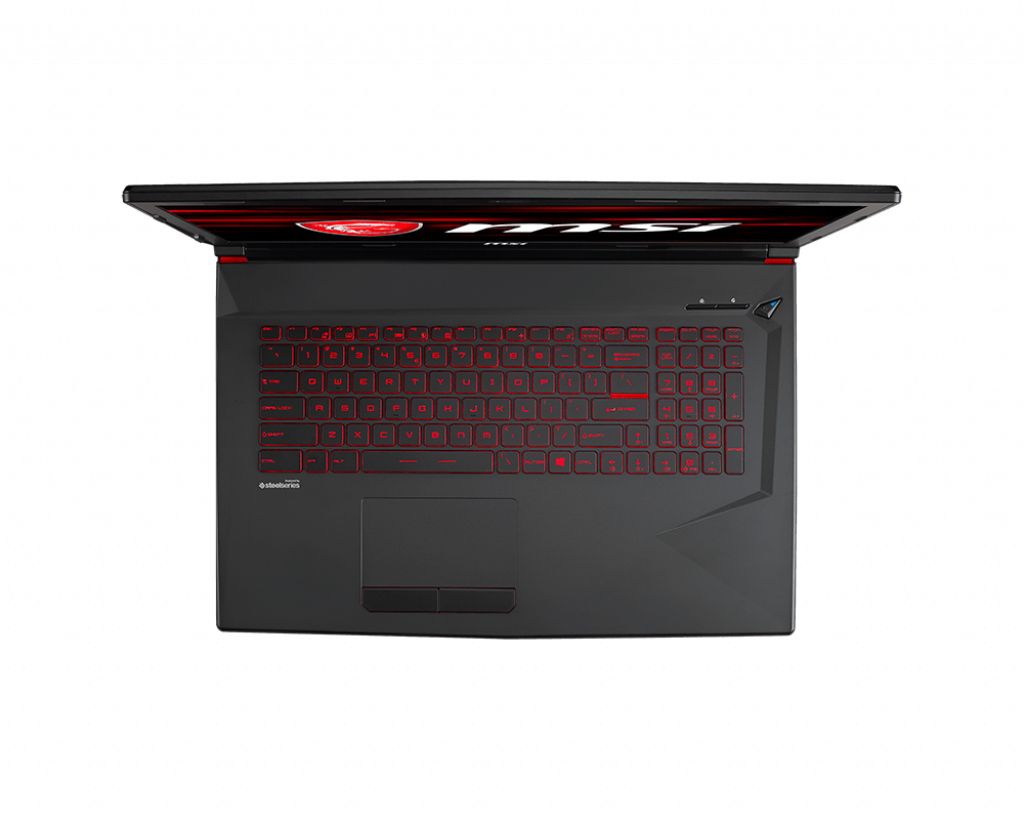
MSI GL73 8SD-045CA Gaming Series laptop supports DDR4-SDRAM memory upgrades via 2x SO-DIMM slots. Maximum supported capacity reaches 32 GB total memory. Compatible upgrades operate at 2666 MHz frequency with SO-DIMM form factor. Specifications indicate memory expansion capability for enhanced multitasking and performance in gaming applications. Current slot configuration permits dual-module installation for RAM upgrade configurations.
Memory Upgrade Specifications
| Specification | Value |
|---|---|
| Memory slots | 2x SO-DIMM |
| Form factor | SO-DIMM |
| Memory type | DDR4-SDRAM |
| Frequency | 2666 MHz |
| Maximum RAM | 32 GB |
| Voltage | 1.2V |
| Number of pins | 260-pin |
| Interface | PC4 |
| PC Speed Rating | PC4-2666 (PC4-21328) |
| Bandwidth | 21.3 GB/s |
| Laptop Release date | 19 May 2019 |
Additional Notes
- The MSI GL73 8SD-045CA supports DDR4-2666 MHz memory, which operates at a lower frequency band than contemporary DDR4-3000 to DDR4-3200 modules. Upgrading with higher-frequency RAM will downclock to 2666 MHz due to SPD profile limitations, resulting in no performance gain from premium memory and potential compatibility conflicts with XMP/DOCP profiles.
- With 2 SO-DIMM slots at maximum capacity of 32 GB, expansion requires replacing both existing modules entirely rather than adding additional sticks. This eliminates the option to retain original memory for testing or dual-configuration troubleshooting during the upgrade process.
- SO-DIMM form factor requires laptop disassembly beyond basic panel removal. Accessing memory slots typically necessitates removing the keyboard deck or mainboard shroud, increasing installation time and risk of incidental component damage during reassembly if proper antistatic protocols are not observed.
- DDR4-2666 designation indicates 8th or 9th generation Intel Core processor architecture, which constrains future CPU upgrade pathways. Socket compatibility limits processor changes to same-generation replacements, and any motherboard revision would likely mandate memory replacement as well.
- Thermal performance of higher-capacity memory modules may introduce marginal increases in internal chassis heat distribution. The gaming-class thermal profile of this system may already operate near design limits, so verification of post-upgrade component temperatures is advisable despite SO-DIMM passive cooling design.