MSI Gaming GL73 8SD-052BE RAM upgrade specifications
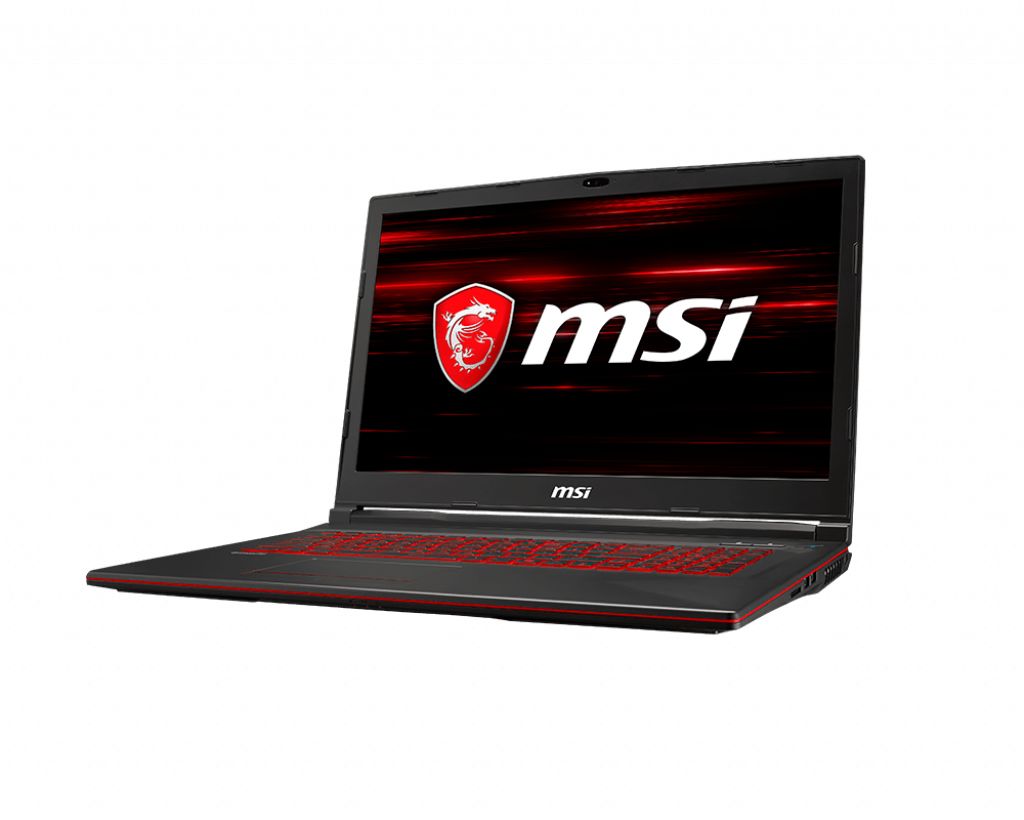
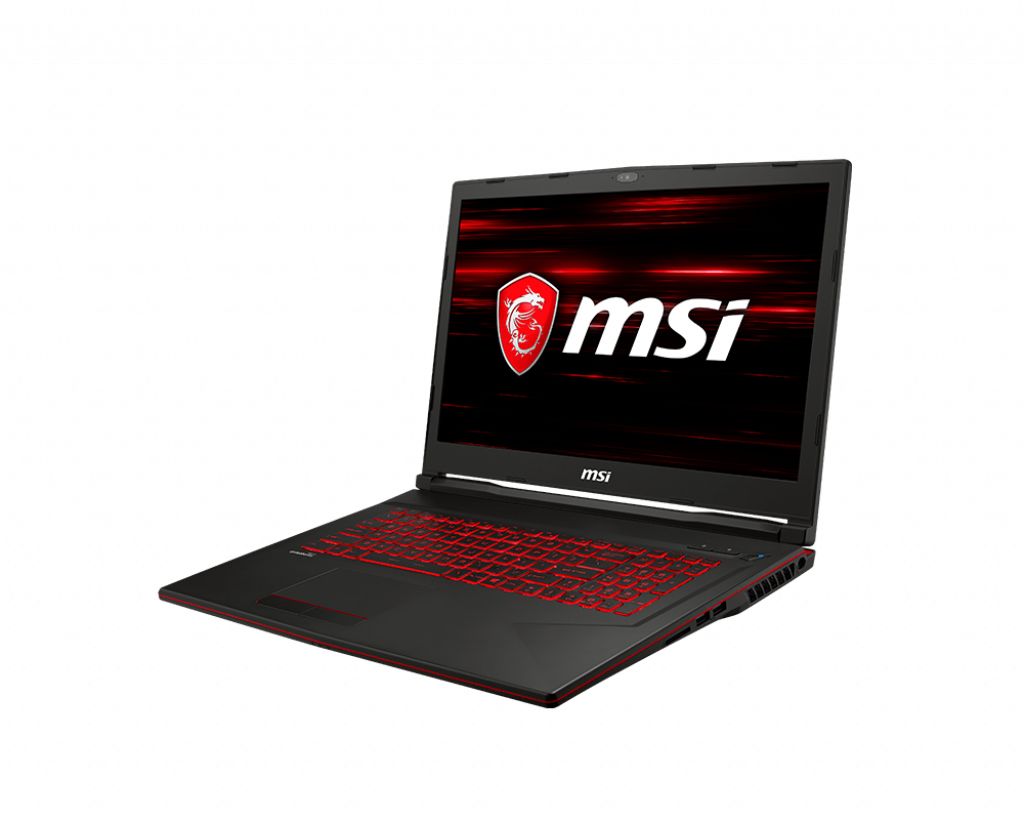


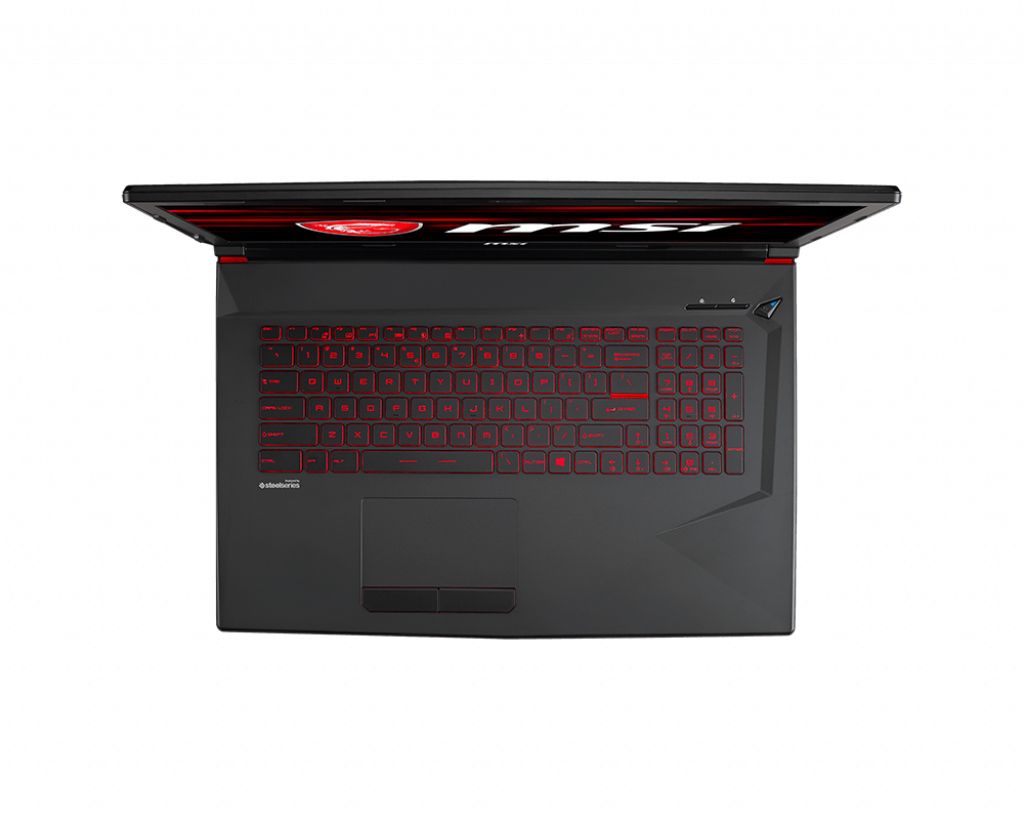
The MSI GL73 8SD-052BE Gaming series laptop features DDR4-SDRAM memory upgrade specifications with 2x SO-DIMM slots supporting a maximum RAM capacity of 32 GB. The compatible memory modules operate at 2666 MHz frequency and utilize the SO-DIMM form factor. These specifications define the memory upgrade parameters and compatibility requirements for this particular MSI Gaming GL series model.
Memory Upgrade Specifications
| Specification | Value |
|---|---|
| Memory slots | 2x SO-DIMM |
| Form factor | SO-DIMM |
| Memory type | DDR4-SDRAM |
| Frequency | 2666 MHz |
| Maximum RAM | 32 GB |
| Voltage | 1.2V |
| Number of pins | 260-pin |
| Interface | PC4 |
| PC Speed Rating | PC4-2666 (PC4-21328) |
| Bandwidth | 21.3 GB/s |
| Laptop Release date | 04 June 2019 |
Additional Notes
- The MSI GL73 8SD-052BE utilizes SO-DIMM modules rather than standard desktop DIMMs, requiring physically smaller form factor memory that measures 67.6mm in length compared to 133.35mm for full-size modules.
- DDR4-2666 represents a transfer rate of 21,333 MB/s per module, establishing the theoretical bandwidth ceiling regardless of higher-speed module installation due to chipset limitations.
- Installing modules rated above 2666 MHz will result in automatic downclocking to the supported frequency, effectively wasting the performance premium paid for faster specifications.
- The 32 GB maximum capacity constraint stems from Intel 8th generation mobile platform limitations, preventing recognition of higher-density modules even if physically compatible.
- Dual-channel architecture requires matched module pairs for optimal memory interleaving, meaning asymmetric configurations will force single-channel operation with approximately 50% bandwidth reduction.
- Only 2 available slots eliminates incremental upgrade flexibility, forcing complete module replacement when moving from lower to higher total capacities.
- DDR4 voltage specification of 1.2V standard operation ensures compatibility with mobile thermal envelopes, though low-voltage variants offer no advantage in this configuration.
- Memory access latency remains governed by CAS latency timings at 2666 MHz, where CL19 represents standard JEDEC specification versus enthusiast CL17 or CL15 bins.
- SO-DIMM slot accessibility typically requires bottom panel removal on gaming chassis designs, though this particular model features a dedicated access hatch for user-serviceable upgrades without warranty violation.
- Non-ECC unbuffered modules represent the only compatible type, as registered or error-correcting memory variants lack support in consumer mobile chipsets.
- Mixing module brands or manufacturing revisions may cause stability issues despite matching specifications, as memory controller training parameters vary between production batches.
- The 260-pin SO-DIMM connector standard prevents accidental installation of incompatible DDR3 or DDR3L modules through physically different notch positioning.