MSI Gaming GL73 8SD-046XES RAM upgrade specifications
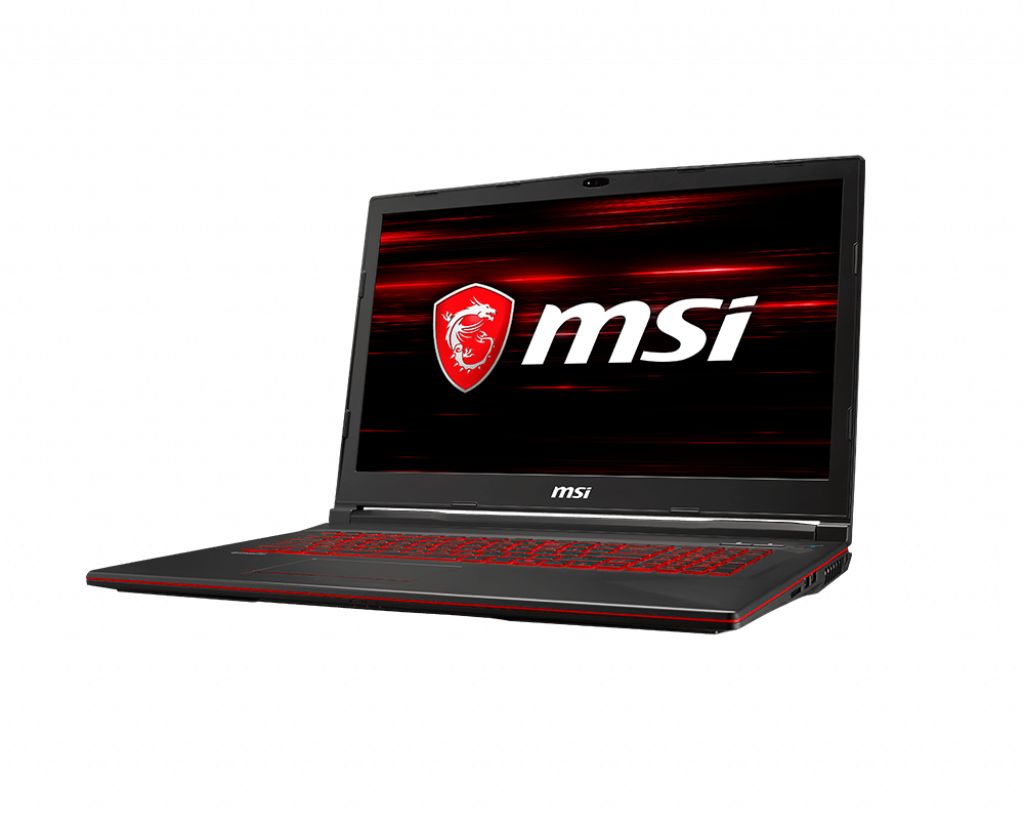
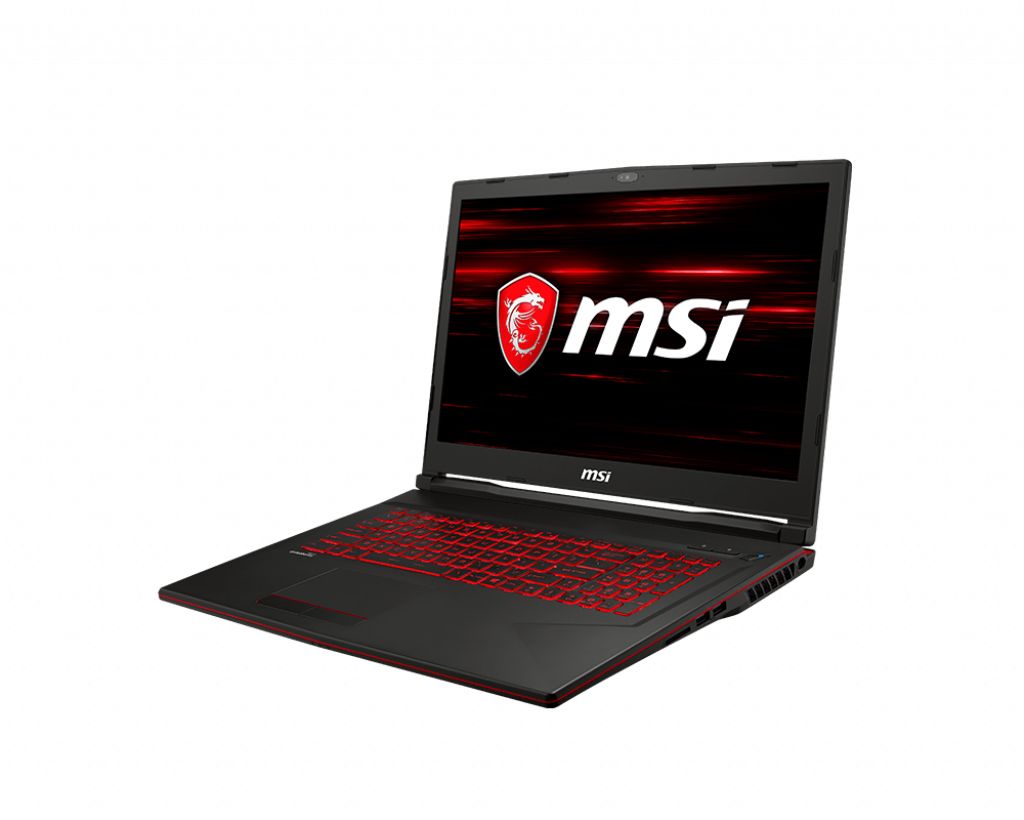


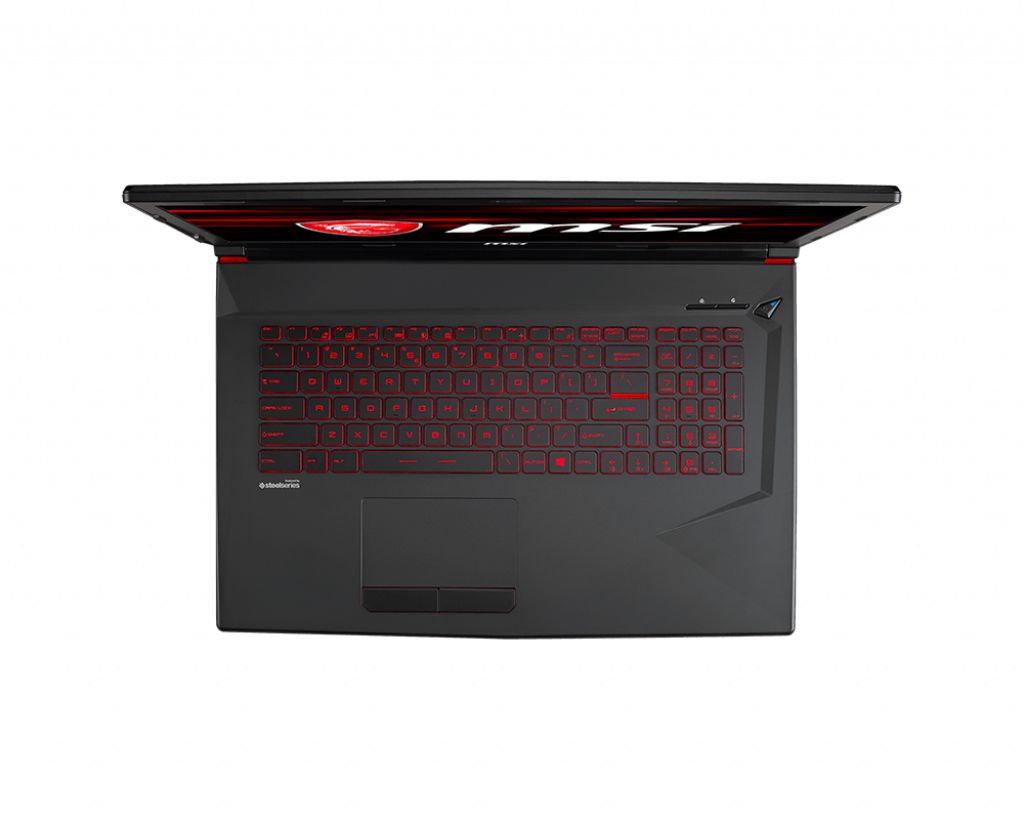
MSI GL73 8SD-046XES Gaming series laptop supports DDR4-SDRAM memory upgrades through two SO-DIMM slots. Maximum compatible RAM capacity reaches 32 GB total. Memory specifications require DDR4 modules operating at 2666 MHz frequency. Upgrade configurations utilize SO-DIMM form factor modules exclusively. Existing memory can be supplemented or replaced to achieve maximum capacity within slot limitations. Current specifications define supported upgrade parameters for this MSI Gaming GL series model.
Memory Upgrade Specifications
| Specification | Value |
|---|---|
| Memory slots | 2x SO-DIMM |
| Form factor | SO-DIMM |
| Memory type | DDR4-SDRAM |
| Frequency | 2666 MHz |
| Maximum RAM | 32 GB |
| Voltage | 1.2V |
| Number of pins | 260-pin |
| Interface | PC4 |
| PC Speed Rating | PC4-2666 (PC4-21328) |
| Bandwidth | 21.3 GB/s |
| Laptop Release date | 12 March 2019 |
Additional Notes
- The MSI GL73 8SD-046XES utilizes SO-DIMM modules, which are physically smaller than standard desktop DIMM modules and cannot be interchanged between laptop and desktop systems.
- The 32 GB maximum capacity constraint requires dual-channel configuration with 16 GB modules to reach the ceiling, as installing a single 32 GB module would exceed per-slot limitations.
- DDR4-2666 operates at a lower bandwidth compared to DDR4-3200, resulting in approximately 17% reduced memory throughput that may affect integrated graphics performance and memory-intensive applications.
- The 2-slot configuration provides no expansion path beyond dual-channel operation, meaning any capacity upgrade requires complete module replacement rather than simple addition.
- DDR4-SDRAM compatibility excludes all DDR3, DDR3L, and DDR5 modules, as the physical notch placement and voltage requirements differ between these generations.
- The 2666 MHz specification represents the maximum validated speed, though higher frequency modules will function after downclocking to this native threshold.
- SO-DIMM installation typically requires bottom panel removal, which may void warranty seals depending on regional consumer protection laws and manufacturer policies.
- Dual-channel architecture requires matched module pairs for optimal bandwidth utilization, as mismatched capacities force the system into asymmetric or single-channel mode.
- The DDR4 generation supports lower operating voltage at 1.2V compared to DDR3's 1.5V, reducing thermal output but eliminating backward compatibility with older memory technologies.
- Maximum capacity testing assumes use of unbuffered, non-ECC modules, as registered or error-correcting memory types are incompatible with consumer laptop chipsets.