MSI Gaming GL73 8SC-012RU RAM upgrade specifications
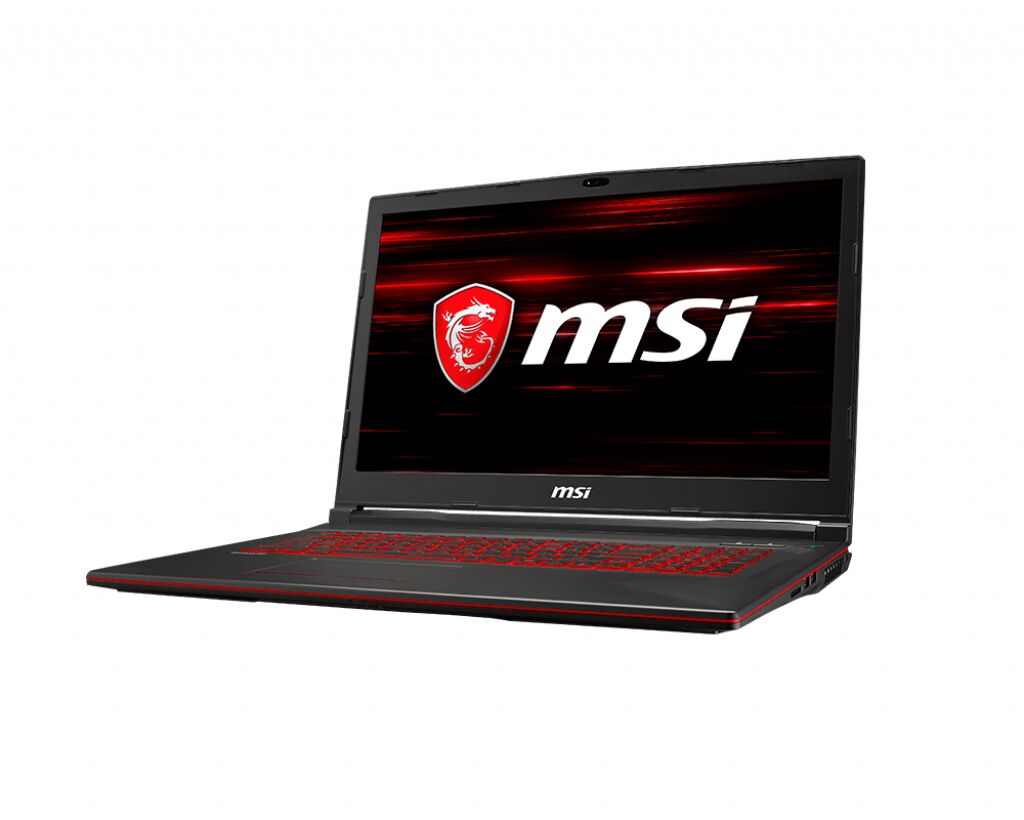
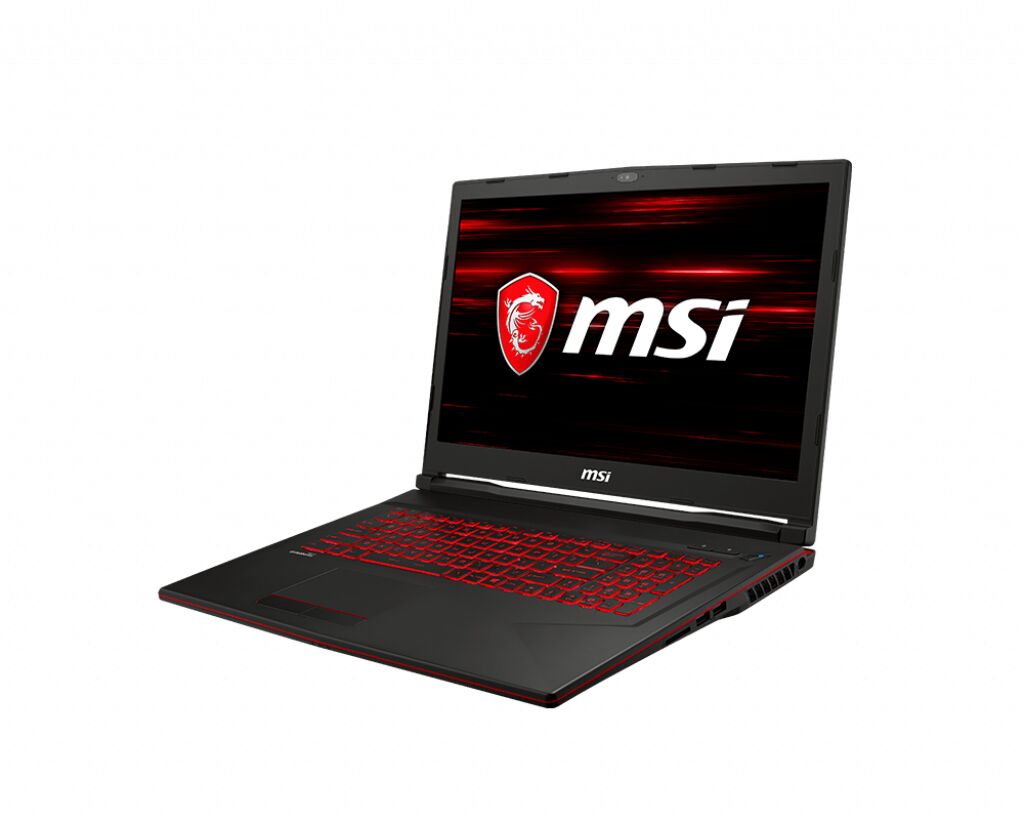


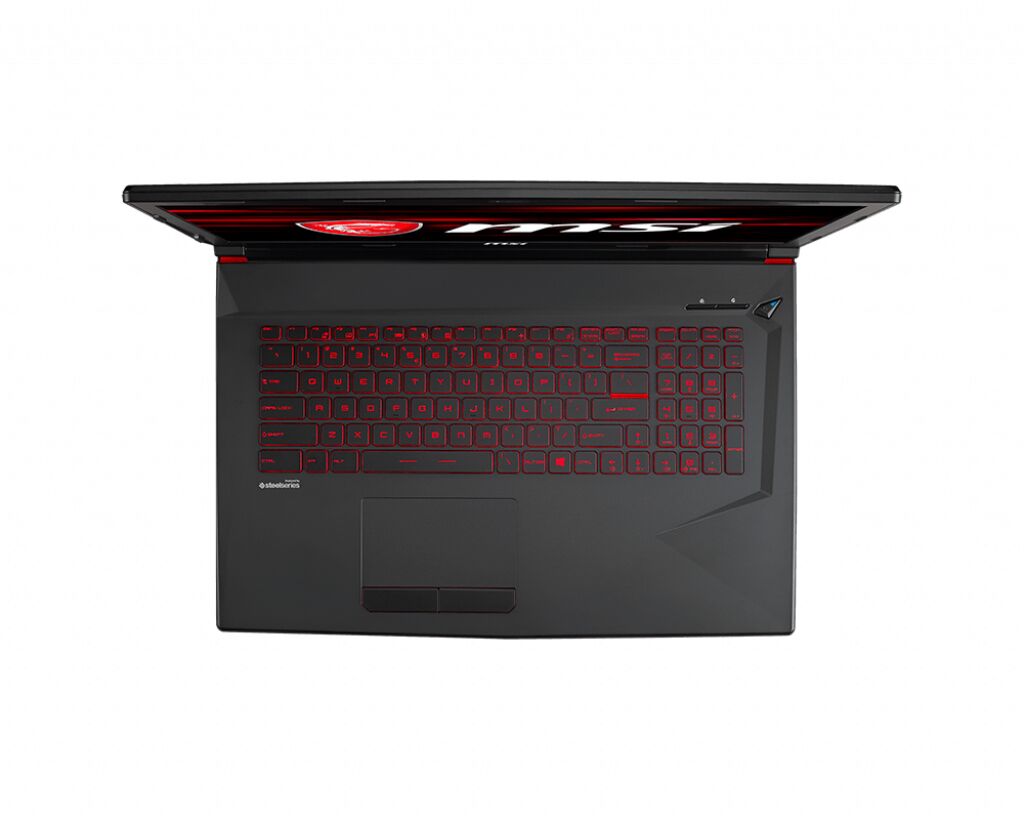
MSI GL73 8SC-012RU gaming laptop RAM upgrade specifications include two SO-DIMM memory slots supporting DDR4-SDRAM modules. Maximum compatible memory capacity reaches 32 GB total. Memory operates at 2666 MHz frequency. Upgrade configurations accommodate DDR4-SDRAM SO-DIMM form factor specifications. Existing memory modules may be replaced or additional capacity added within maximum specifications. Compatible DDR4-SDRAM upgrades must match SO-DIMM form factor and 2666 MHz frequency requirements for GL73 8SC-012RU model compatibility.
Memory Upgrade Specifications
| Specification | Value |
|---|---|
| Memory slots | 2x SO-DIMM |
| Form factor | SO-DIMM |
| Memory type | DDR4-SDRAM |
| Frequency | 2666 MHz |
| Maximum RAM | 32 GB |
| Voltage | 1.2V |
| Number of pins | 260-pin |
| Interface | PC4 |
| PC Speed Rating | PC4-2666 (PC4-21328) |
| Bandwidth | 21.3 GB/s |
| Laptop Release date | 16 September 2019 |
Additional Notes
- The MSI GL73 8SC-012RU uses SO-DIMM modules rather than full-size DIMMs, requiring notebook-specific memory purchases that typically cost more per gigabyte than desktop equivalents.
- The 32 GB maximum capacity splits as 16 GB per slot, eliminating the option to install a single 32 GB module for future expansion.
- DDR4-2666 represents the chipset's maximum supported frequency, meaning faster-rated modules will downclock automatically without providing performance benefits.
- The 2 slot configuration forces a choice between dual-channel 16 GB (2x8 GB) or dual-channel 32 GB (2x16 GB), with no intermediate upgrade path that preserves existing modules.
- Non-ECC DDR4-SDRAM limits this platform to consumer-grade memory, excluding error-correcting modules used in workstation applications.
- Mismatched module capacities will function but may reduce memory interleaving efficiency depending on the chipset's flexibility controller implementation.
- The 260-pin SO-DIMM form factor prevents installation of 288-pin desktop modules, even if DDR4 type matches.
- Installing memory rated below 2666 MHz creates a bandwidth bottleneck for the integrated graphics subsystem, which shares system memory.
- Single-channel operation with 1 occupied slot halves theoretical memory bandwidth from 42.6 GB/s to 21.3 GB/s.
- Voltage compatibility matters since DDR4 SO-DIMMs operate at 1.2V standard, while low-power variants at 1.05V may cause boot failures or instability.
- The memory controller's dual-channel architecture requires identical frequency and timing configurations across both slots for optimal interleaving.