MSI Gaming GL73 8SE RAM upgrade specifications
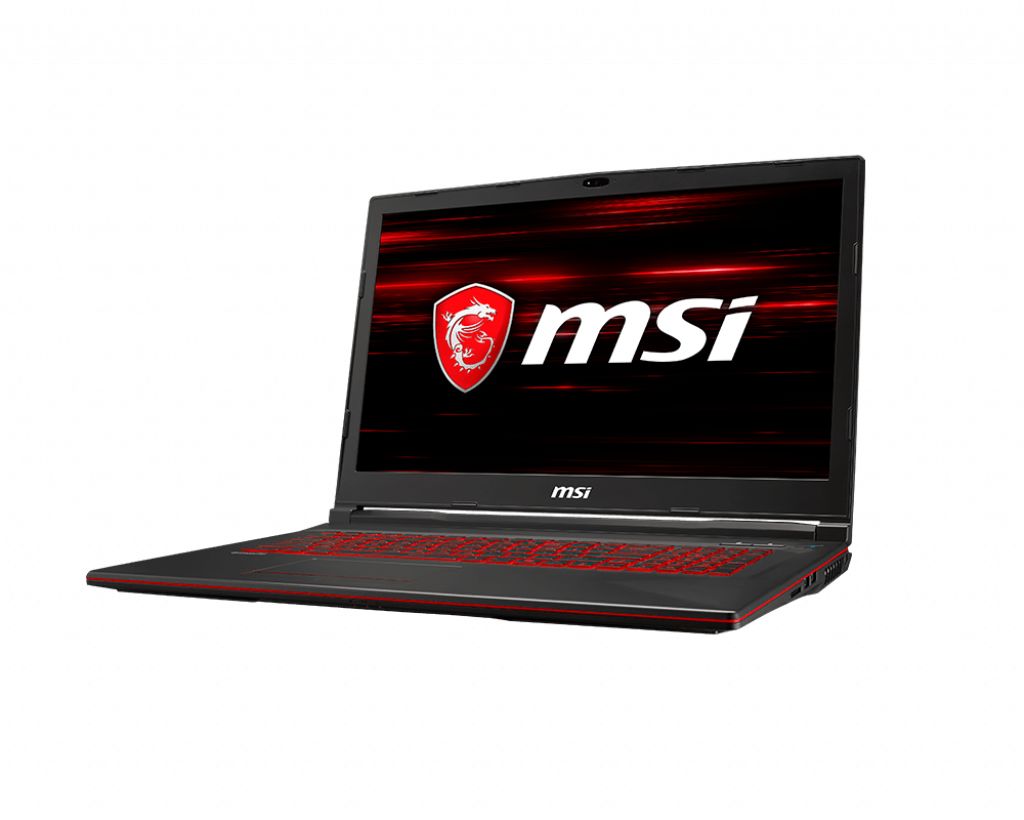
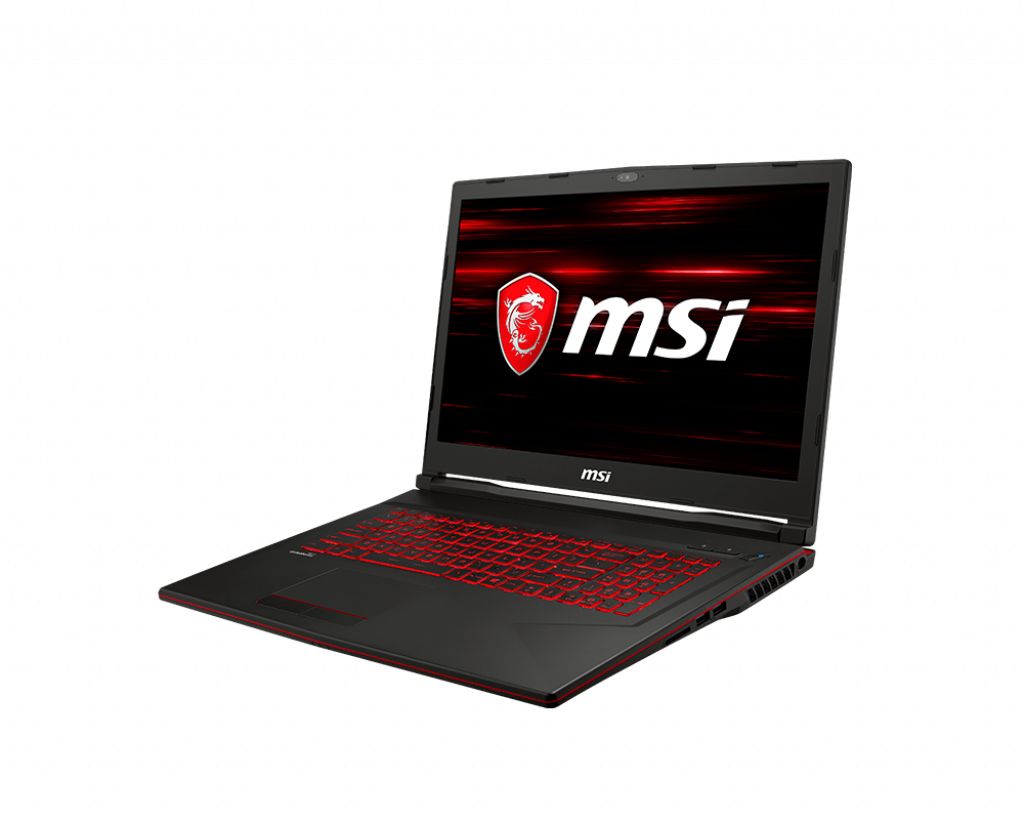


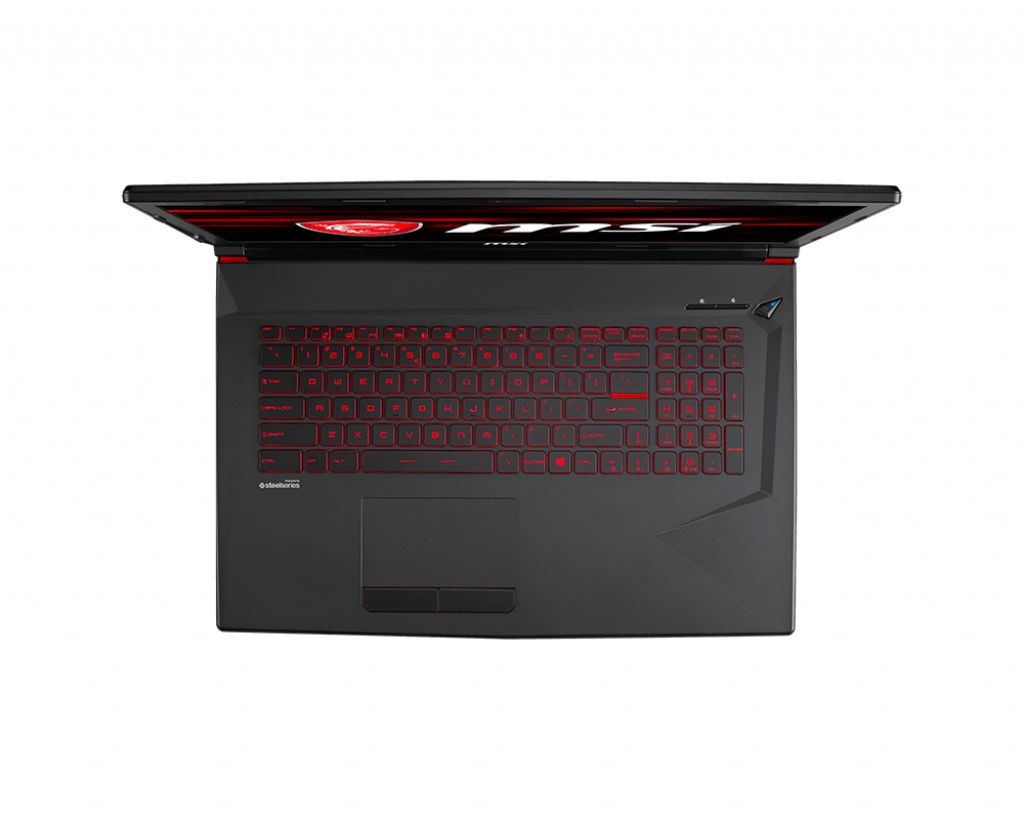
The MSI GL73 8SE gaming laptop features two SO-DIMM memory slots supporting DDR4-SDRAM upgrades at 2666 MHz frequency. Maximum RAM capacity reaches 32 GB total, allowing for significant memory expansion from factory configurations. Compatible upgrades utilize SO-DIMM form factor modules, enabling users to enhance multitasking performance and gaming capabilities. The GL series specifications accommodate standard DDR4 memory modules within specified frequency parameters.
Memory Upgrade Specifications
| Specification | Value |
|---|---|
| Memory slots | 2x SO-DIMM |
| Form factor | SO-DIMM |
| Memory type | DDR4-SDRAM |
| Frequency | 2666 MHz |
| Maximum RAM | 32 GB |
| Voltage | 1.2V |
| Number of pins | 260-pin |
| Interface | PC4 |
| PC Speed Rating | PC4-2666 (PC4-21328) |
| Bandwidth | 21.3 GB/s |
| Laptop Release date | 25 June 2019 |
Additional Notes
- The MSI GL73 8SE contains 2 SO-DIMM slots, meaning both memory modules must be replaced simultaneously to achieve the 32 GB maximum capacity; single-slot upgrades leave one populated slot underutilized.
- DDR4-2666 MHz frequency represents the baseline specification for 8th-generation Intel platforms; modules rated at 2933 MHz or higher will downclock to 2666 MHz, making premium-tier memory specifications economically inefficient for this hardware generation.
- SO-DIMM form factor restricts upgrade sourcing to laptop-specific memory modules only; desktop DDR4 DIMM modules are physically incompatible and will not fit the socket geometry.
- Upgrading from stock configuration to 32 GB requires approximately 16 GB additional capacity per slot; this doubles total addressable memory and eliminates memory-constrained bottlenecks in multitasking and content creation workflows.
- The 2-slot architecture prevents future expansion beyond 32 GB without complete memory replacement, as no single slot can accept modules larger than 16 GB in practical retail availability.
- Memory speed synchronization occurs automatically; if one module operates at 2400 MHz and another at 2666 MHz, the system defaults to the slower 2400 MHz specification across both slots, degrading overall memory subsystem throughput.