MSI Gaming GL73 8SE-008X RAM upgrade specifications
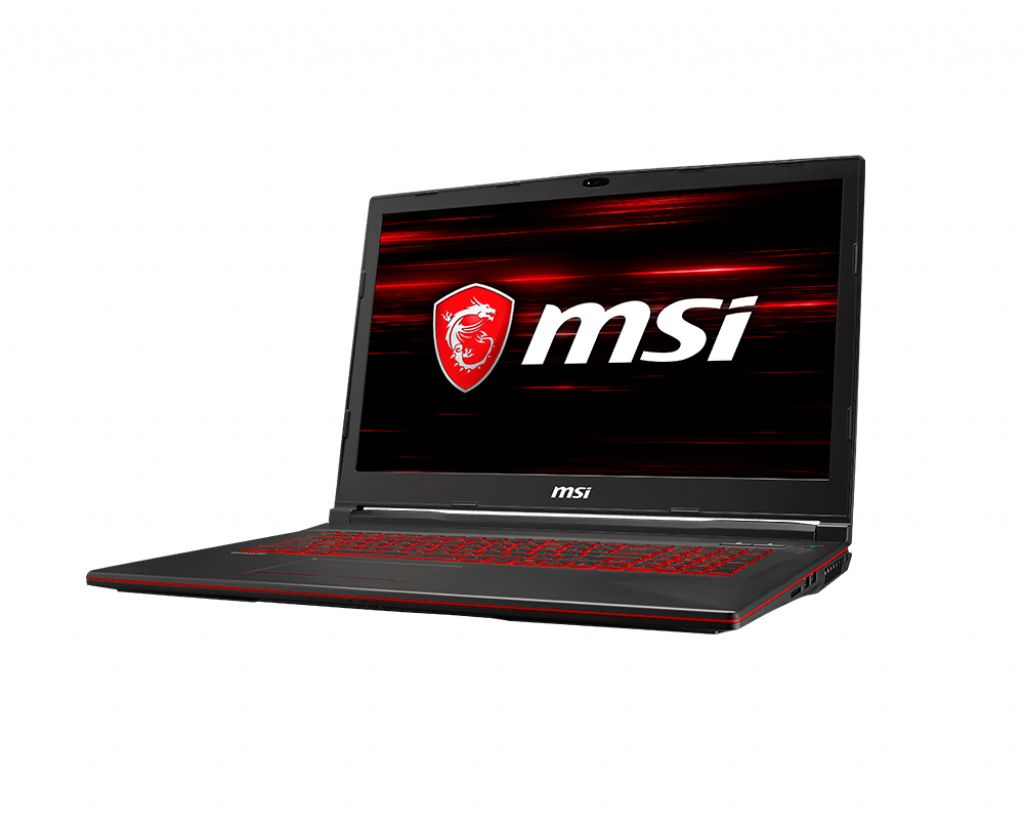
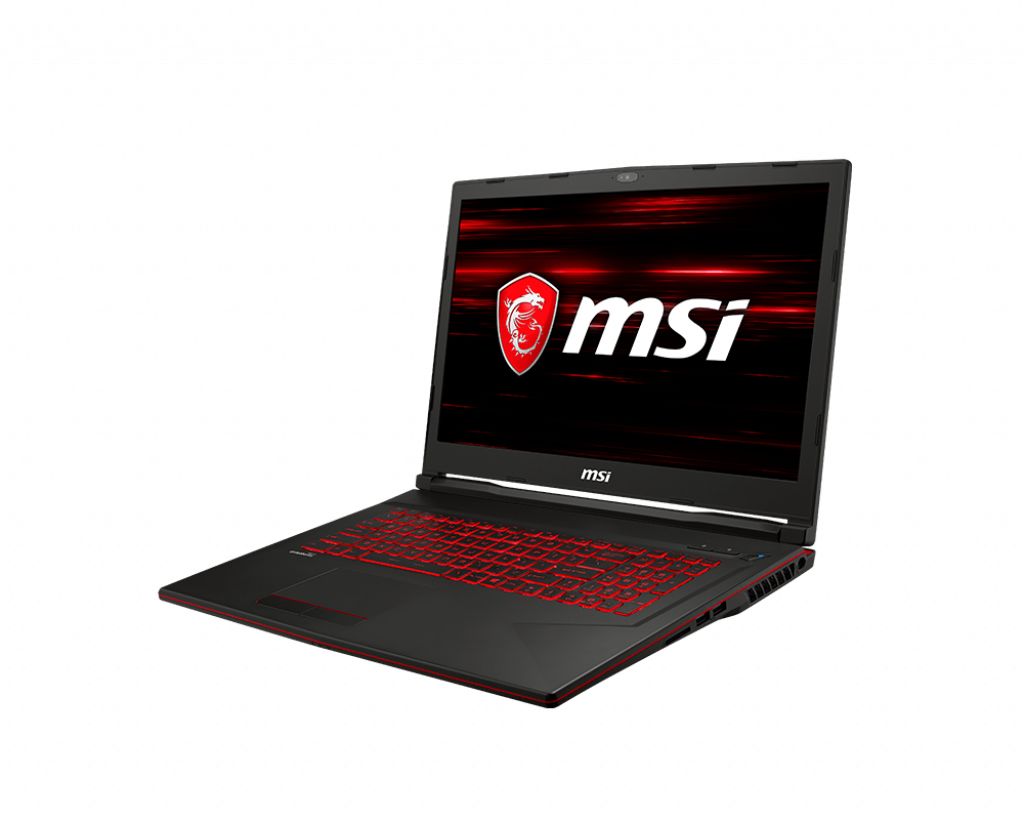


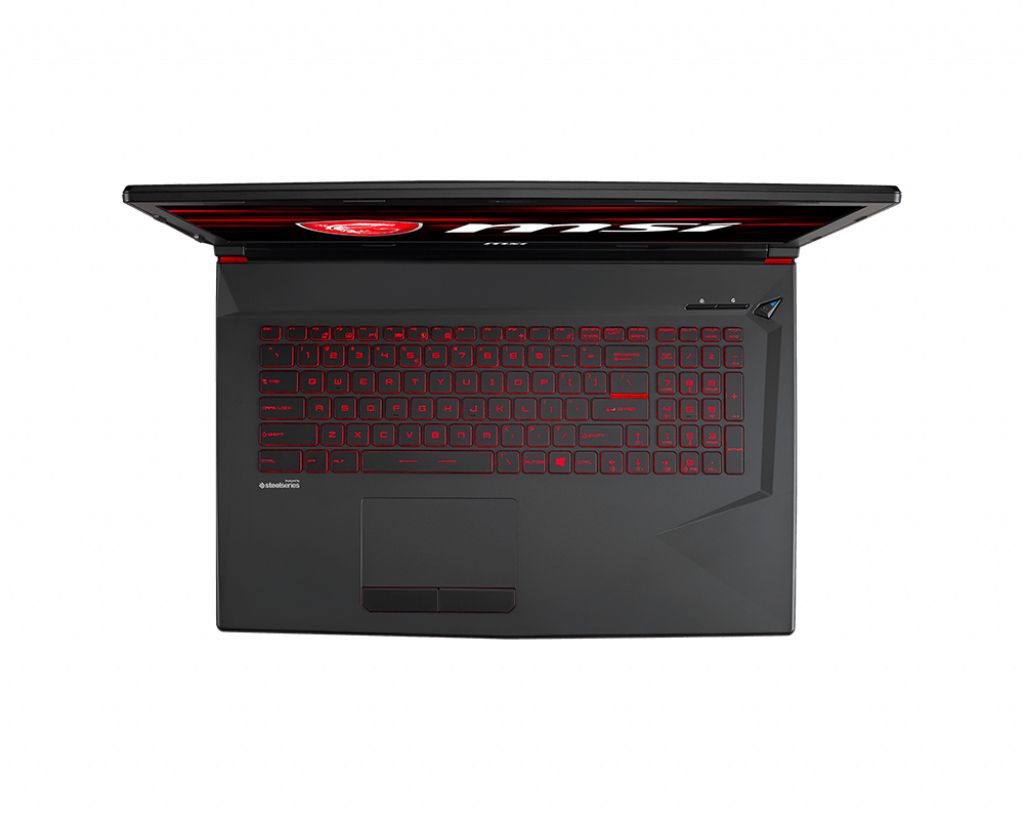
MSI GL73 8SE-008X Gaming series laptop supports DDR4-SDRAM memory upgrades with 2x SO-DIMM slots. Maximum compatible RAM capacity reaches 32 GB total. Memory specifications require DDR4 modules operating at 2666 MHz frequency in SO-DIMM form factor. Upgrade specifications enable users to expand memory from factory configuration to maximum supported capacity for enhanced multitasking performance.
Memory Upgrade Specifications
| Specification | Value |
|---|---|
| Memory slots | 2x SO-DIMM |
| Form factor | SO-DIMM |
| Memory type | DDR4-SDRAM |
| Frequency | 2666 MHz |
| Maximum RAM | 32 GB |
| Voltage | 1.2V |
| Number of pins | 260-pin |
| Interface | PC4 |
| PC Speed Rating | PC4-2666 (PC4-21328) |
| Bandwidth | 21.3 GB/s |
| Laptop Release date | 12 December 2018 |
Additional Notes
- The 2666 MHz frequency represents the maximum supported speed for this configuration, meaning higher-rated modules will downclock automatically to match this specification.
- The MSI GL73 8SE-008X dual-channel architecture requires matched memory pairs for optimal bandwidth utilization, as single-module installations will operate at reduced theoretical throughput.
- The 32 GB ceiling reflects chipset limitations rather than slot capacity, preventing recognition of higher-density modules even if physically compatible.
- SO-DIMM form factor modules measure approximately 67.6 mm in length, distinguishing them from standard desktop DIMM modules which are physically incompatible with this laptop's slot design.
- DDR4 modules operate at 1.2V nominal voltage, while DDR3 variants use 1.5V or 1.35V, making cross-generation installation electrically incompatible and potentially damaging to the memory controller.
- The 260-pin SO-DIMM connector features a keyed notch positioned differently than DDR3 modules, providing mechanical prevention against incorrect module insertion.
- Mixing modules with different clock ratings will force all installed memory to operate at the lowest common frequency, creating a performance bottleneck if modules are mismatched.
- Non-ECC unbuffered modules represent the compatible specification, as registered or ECC memory types will either fail to initialize or cause system instability in consumer mobile platforms.
- Accessing the memory slots typically requires bottom panel removal, which may involve breaking warranty seals depending on regional service policies and purchase date.
- Single-rank versus dual-rank module architecture affects memory interleaving efficiency, with dual-rank configurations potentially offering marginal performance improvements in memory-intensive operations.
- The 2666 MHz specification corresponds to PC4-21300 or PC4-2666 labeling standards, which must match to ensure module compatibility during purchase verification.