MSI Gaming GL73 8SE-011NE RAM upgrade specifications
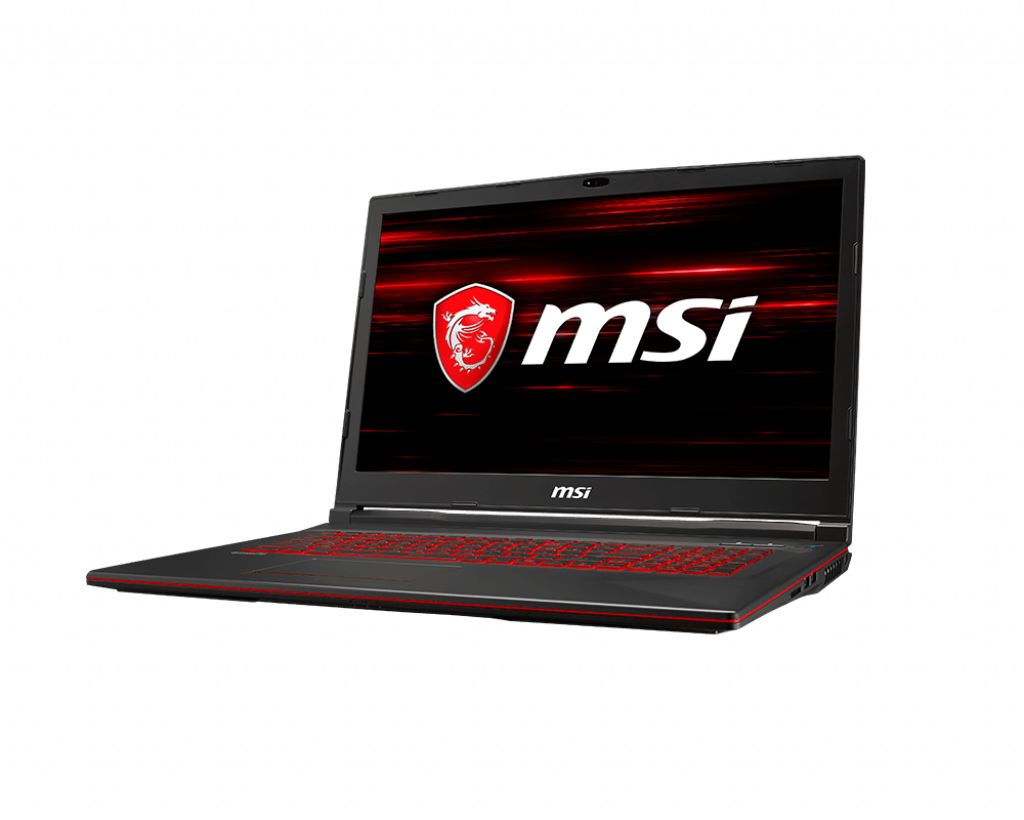
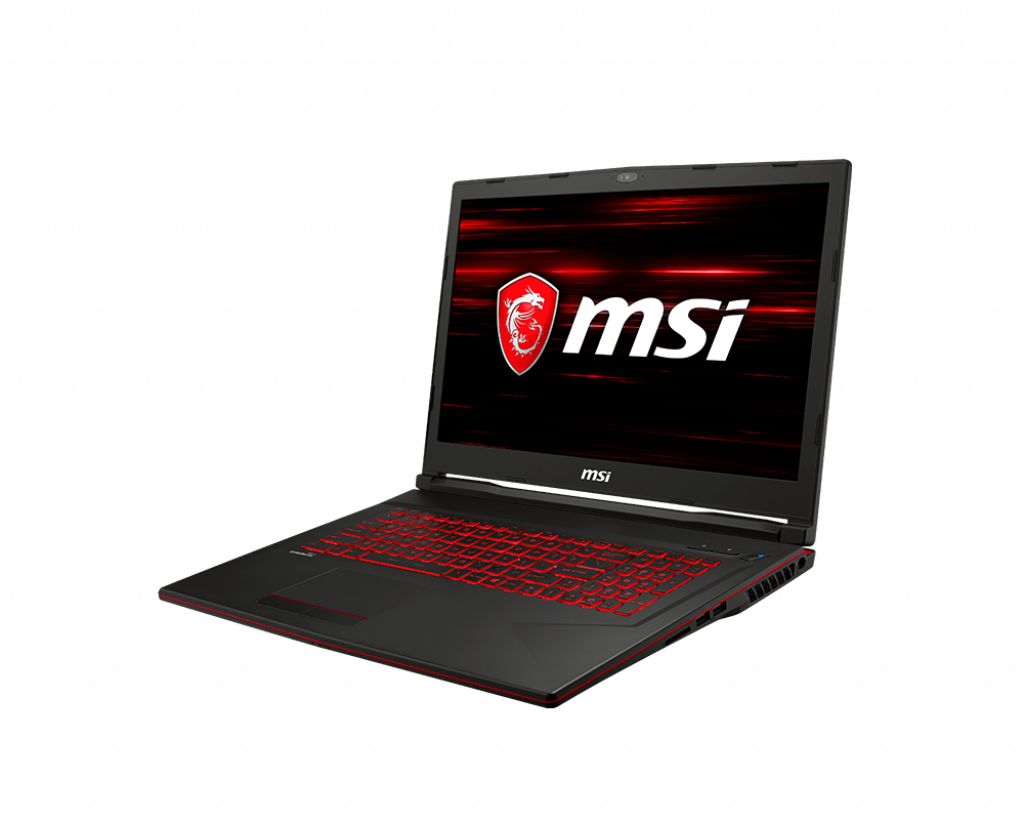
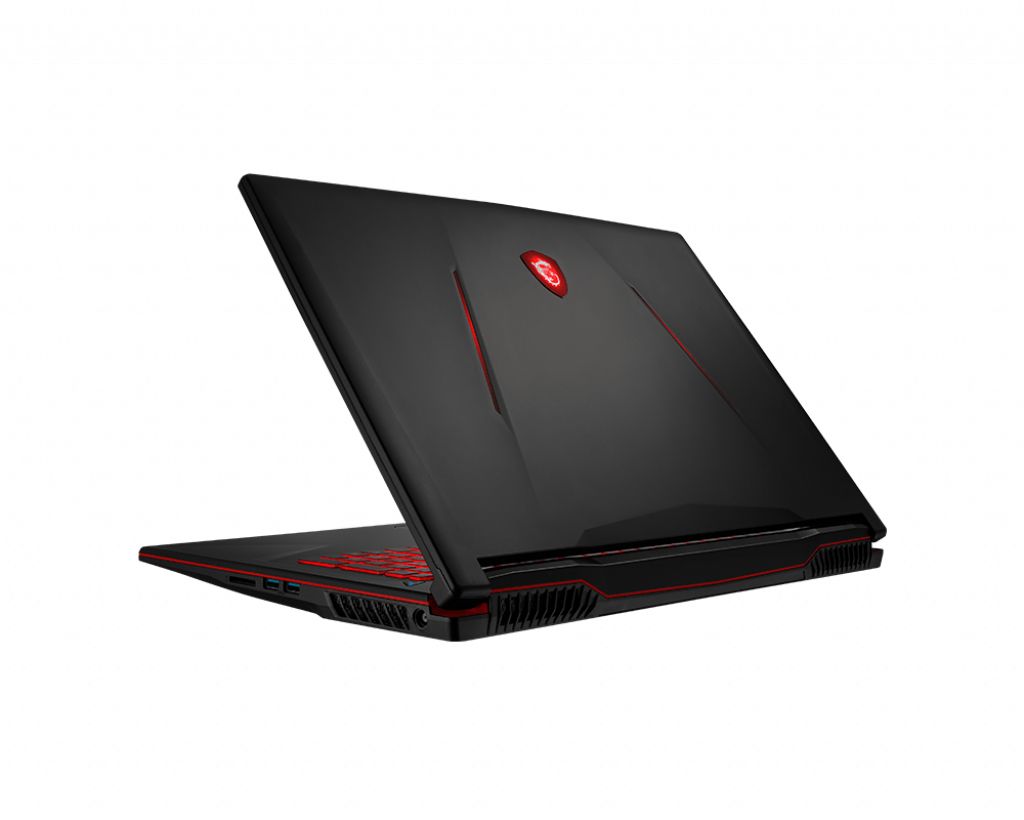
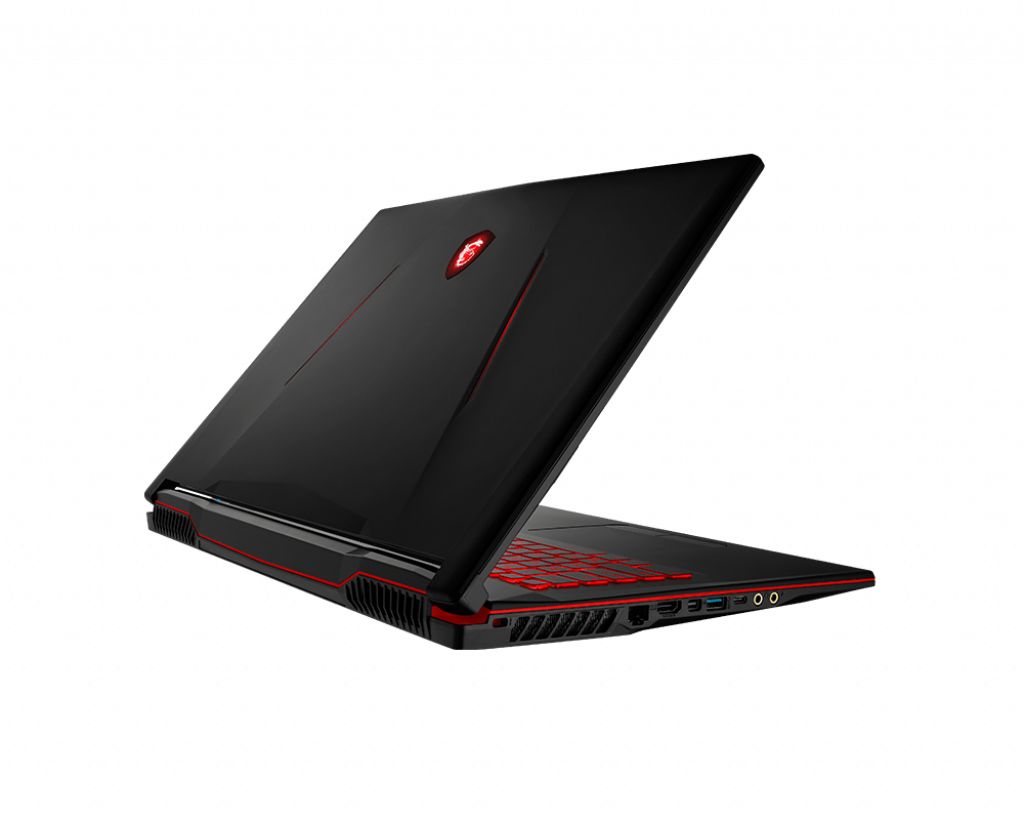
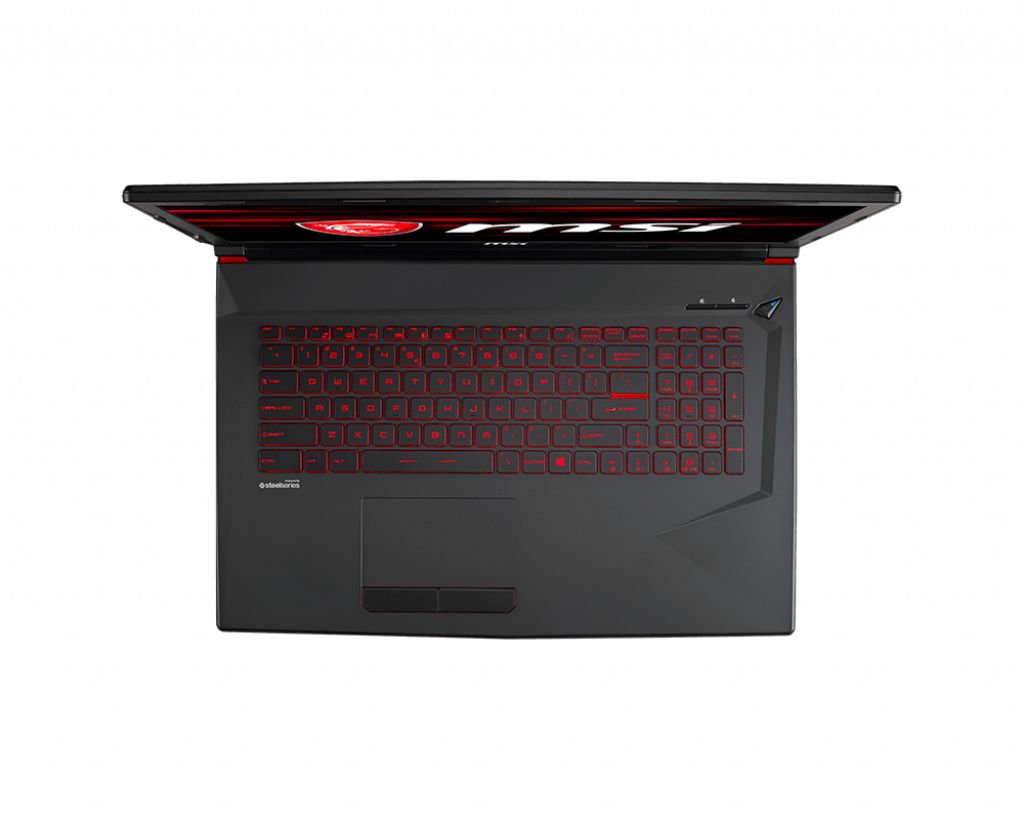
MSI GL73 8SE-011NE gaming laptop RAM upgrade specifications indicate DDR4-SDRAM memory compatibility with 2x SO-DIMM slots. Maximum RAM capacity reaches 32 GB total. Memory operates at 2666 MHz frequency. Compatible upgrades utilize SO-DIMM form factor. Current specifications and maximum capacity support configuration for enhanced multitasking and performance in gaming applications.
Memory Upgrade Specifications
| Specification | Value |
|---|---|
| Memory slots | 2x SO-DIMM |
| Form factor | SO-DIMM |
| Memory type | DDR4-SDRAM |
| Frequency | 2666 MHz |
| Maximum RAM | 32 GB |
| Voltage | 1.2V |
| Number of pins | 260-pin |
| Interface | PC4 |
| PC Speed Rating | PC4-2666 (PC4-21328) |
| Bandwidth | 21.3 GB/s |
| Laptop Release date | 14 February 2019 |
Additional Notes
- The 2 SO-DIMM socket configuration limits this MSI GL73 8SE-011NE Gaming laptop to dual-channel operation, requiring matched module pairs for optimal bandwidth utilization.
- DDR4-2666 represents JEDEC standard timing, indicating the system will reject faster XMP-profiled modules unless they support fallback operation at this frequency.
- The 32 GB ceiling translates to a maximum of 16 GB per module, which restricts compatibility to single-rank or dual-rank density configurations available in that capacity.
- SO-DIMM form factor physically prevents installation of standard DIMM modules, requiring laptop-specific memory procurement.
- Accessing the memory compartment typically requires bottom panel removal, potentially voiding seals that manufacturers use to track unauthorized service interventions.
- Mixed capacity configurations, such as pairing 8 GB with 16 GB modules, will function but force the system into flex mode operation with reduced dual-channel benefits.
- Operating beyond the 2666 MHz specification through overclocking may destabilize the Intel 8th generation platform's memory controller, as Coffee Lake-H SKUs lock frequency ratios.
- Single-channel population with one occupied slot will halve memory bandwidth, creating bottlenecks in GPU-intensive tasks that rely on shared system memory for the integrated graphics subsystem.
- Voltage tolerance remains fixed at 1.2V for DDR4 standard operation, excluding low-voltage DDR4L modules that operate at 1.05V and may cause POST failures.
- The absence of ECC support in consumer gaming platforms means error-correcting code modules will either operate in non-ECC mode or fail compatibility checks entirely.