MSI Gaming GL73 8SE-012IT RAM upgrade specifications
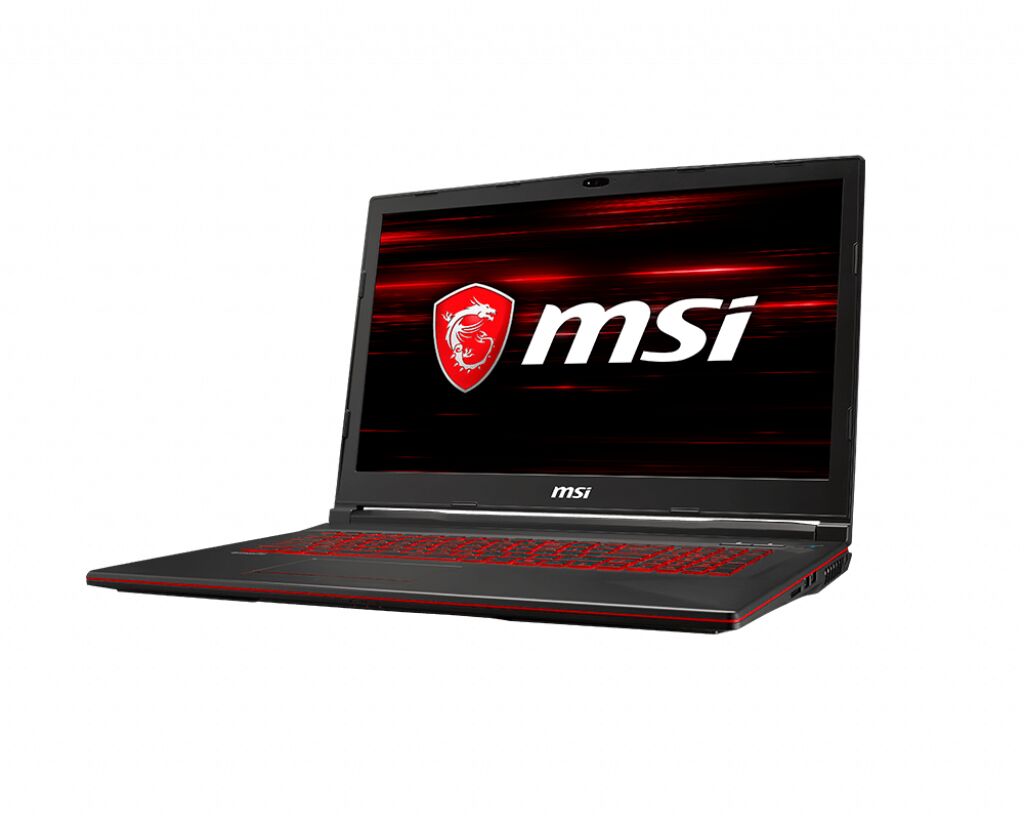
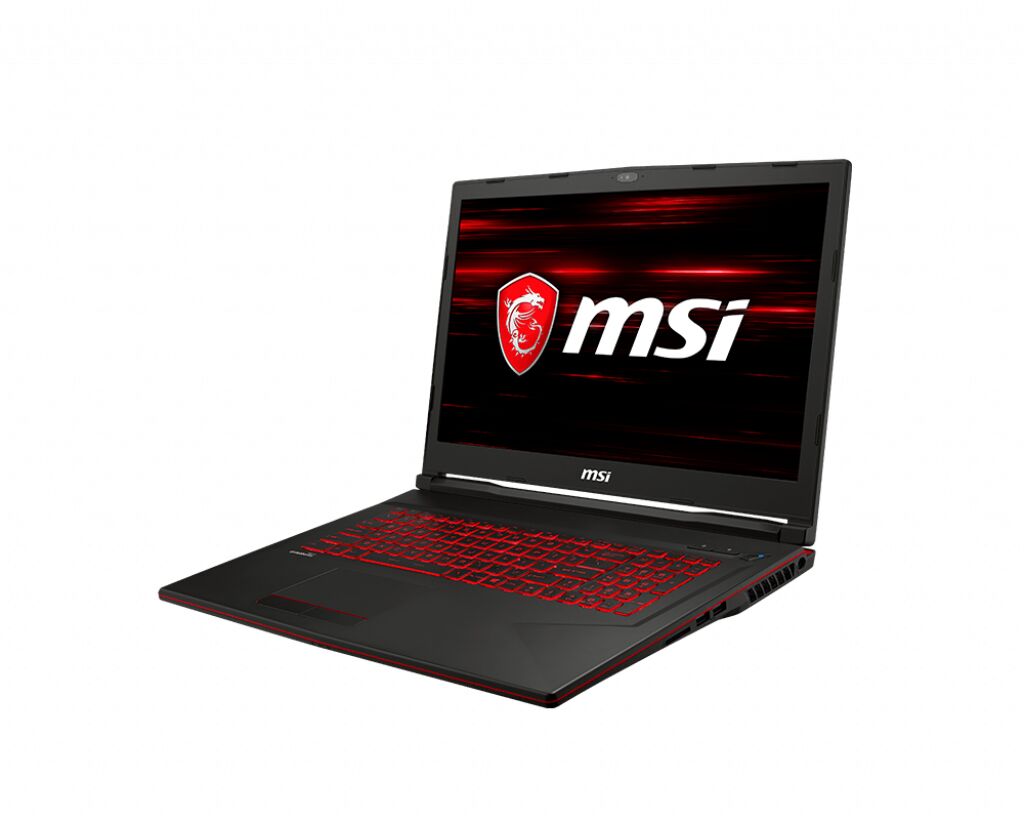
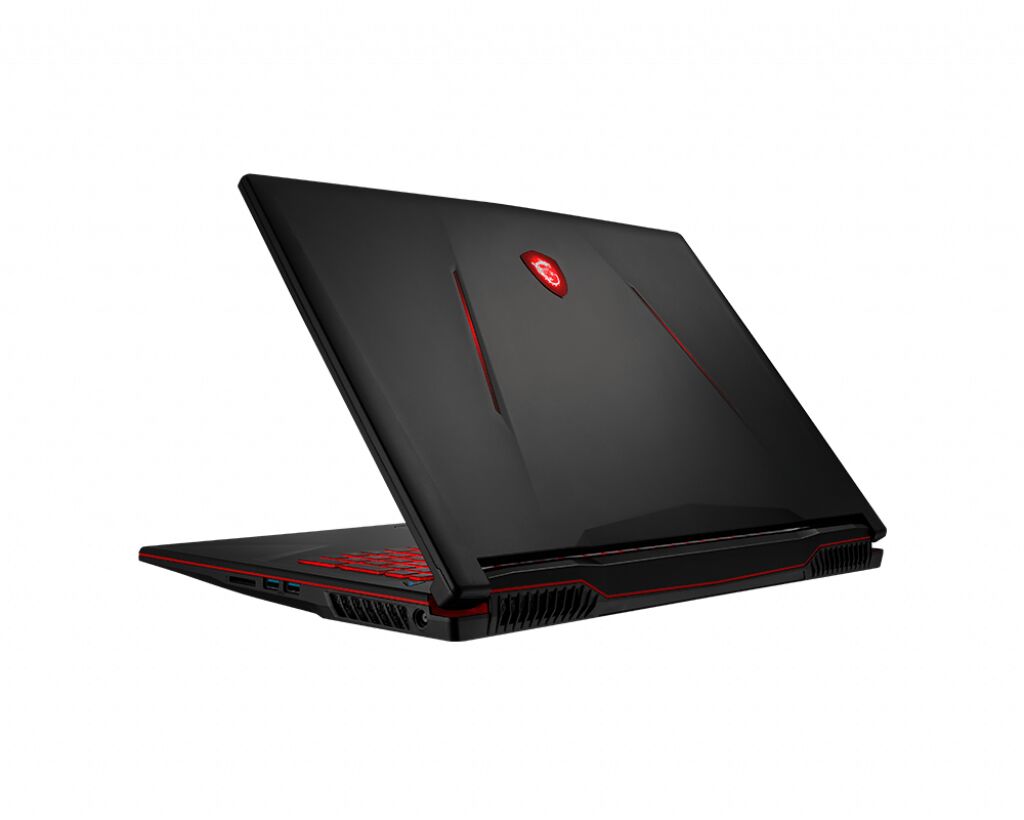
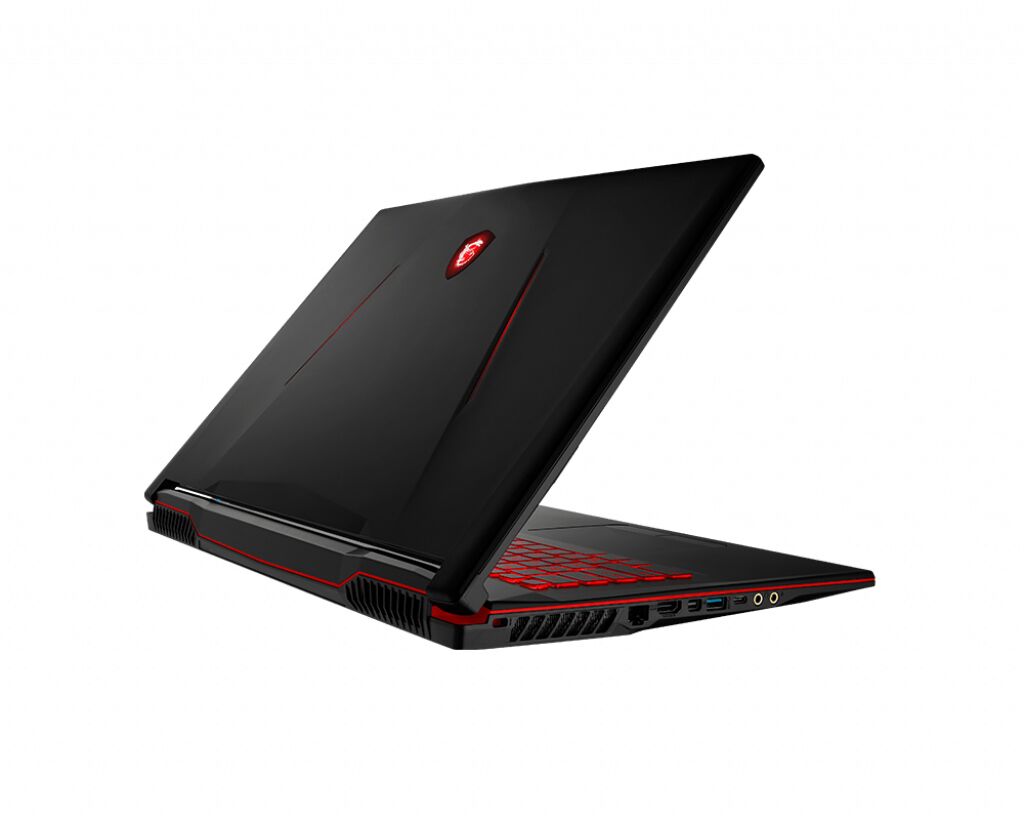
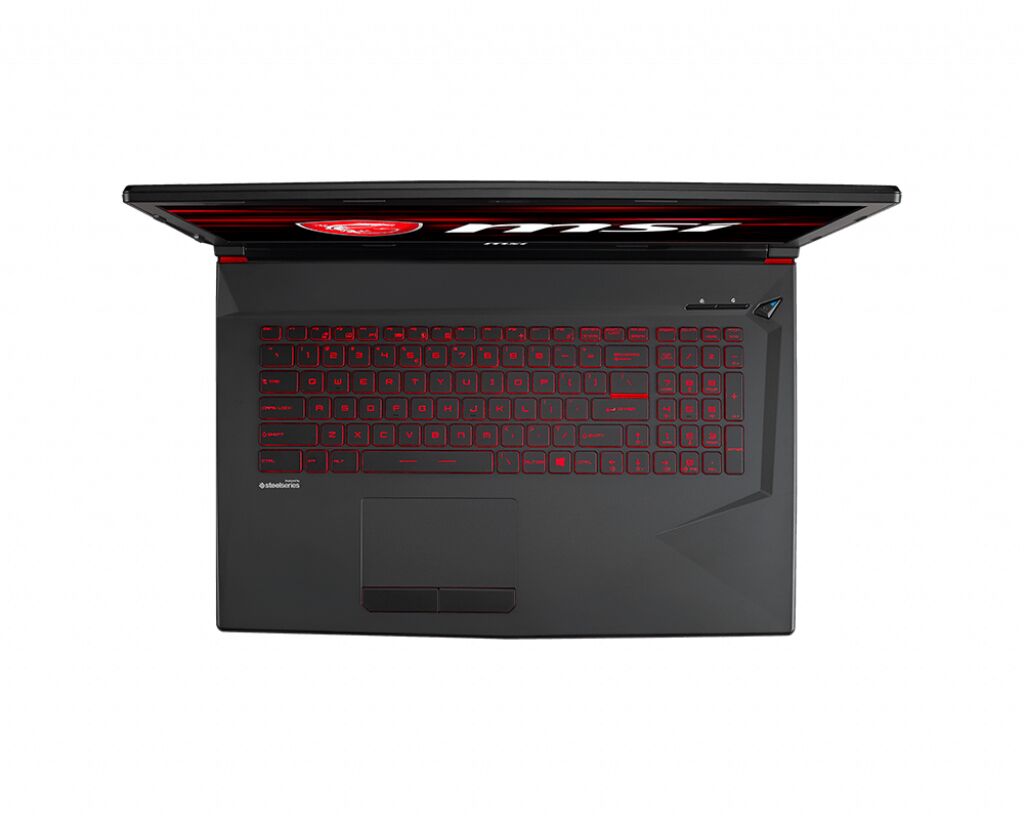
MSI GL73 8SE-012IT gaming laptop memory upgrade specifications include two SO-DIMM slots supporting DDR4-SDRAM memory modules. Maximum RAM capacity reaches 32 GB total, with compatible modules operating at 2666 MHz frequency. The Gaming GL series supports SO-DIMM form factor RAM upgrades, allowing users to expand memory from factory configurations up to the specified maximum capacity for enhanced system performance.
Memory Upgrade Specifications
| Specification | Value |
|---|---|
| Memory slots | 2x SO-DIMM |
| Form factor | SO-DIMM |
| Memory type | DDR4-SDRAM |
| Frequency | 2666 MHz |
| Maximum RAM | 32 GB |
| Voltage | 1.2V |
| Number of pins | 260-pin |
| Interface | PC4 |
| PC Speed Rating | PC4-2666 (PC4-21328) |
| Bandwidth | 21.3 GB/s |
| Laptop Release date | 30 July 2020 |
Additional Notes
- The 2x SO-DIMM slot configuration means maximum capacity requires both slots to be populated; if 1 slot is already occupied, the second upgrade path is limited to a single module without removing existing memory.
- DDR4-2666 MHz represents a mid-tier frequency tier; newer DDR4 modules operating at 3000 MHz or higher will automatically throttle down to 2666 MHz, creating no compatibility issue but negating any speed premium paid for faster memory.
- The MSI GL73 8SE-012IT's 32 GB ceiling reflects 8th-generation Intel platform constraints; upgrading beyond this limit requires full platform replacement, not incremental memory expansion.
- SO-DIMM form factor constrains physical options to laptop-grade modules only; standard desktop DDR4 DIMMs cannot be installed regardless of specification matching, as the connector geometry differs.
- Reaching 32 GB capacity requires 2x 16 GB SO-DIMM modules; availability of single 16 GB laptop DDR4-2666 modules is significantly lower than 8 GB variants, potentially increasing acquisition cost or lead time.
- The dual-slot architecture creates a single point of failure risk; memory module degradation affects the entire system capacity without a backup slot, unlike dual-channel configurations with redundancy options.
- Factory memory configurations typically populate both slots with matched pairs; upgrading a single slot may result in asymmetric dual-channel performance if existing and new modules have different latency profiles or manufacturing sources.