MSI Gaming GL73 8SE-016FR RAM upgrade specifications
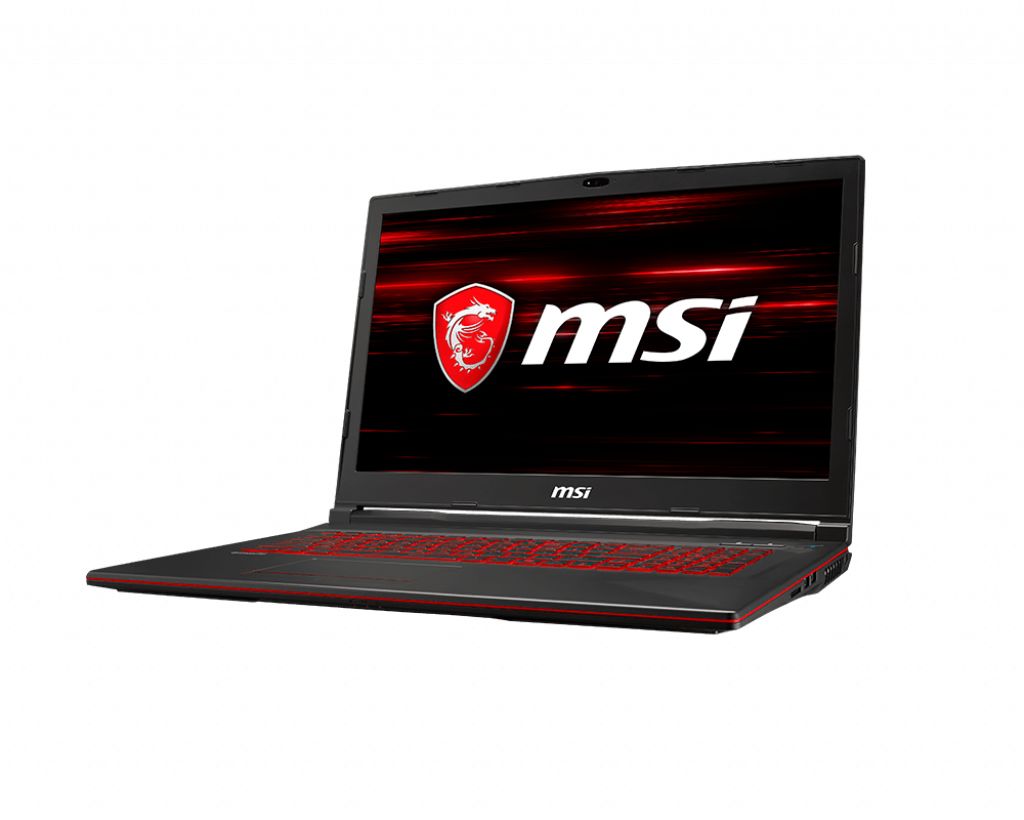
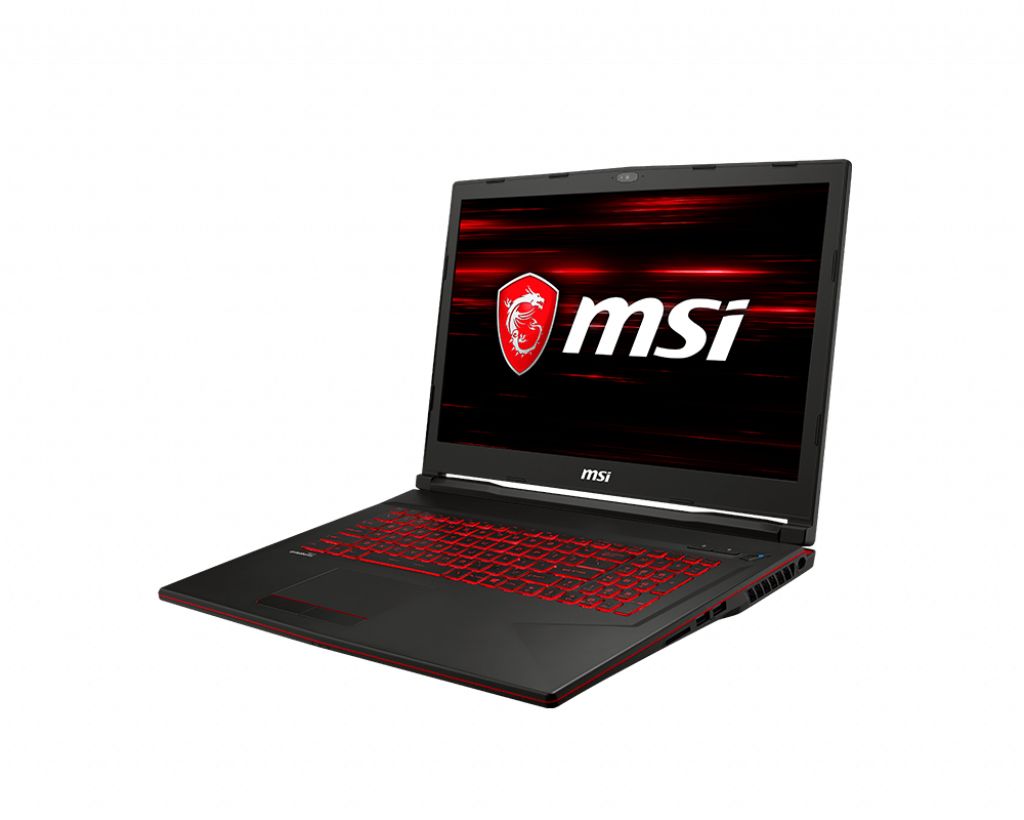


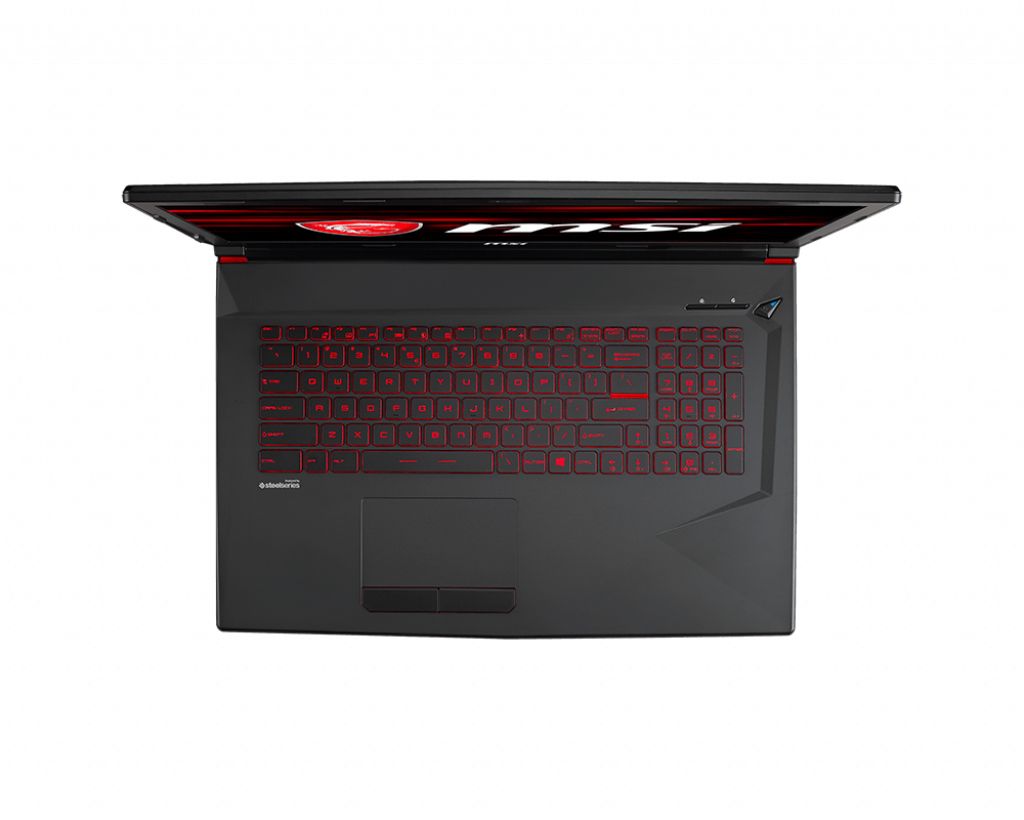
The MSI GL73 8SE-016FR gaming laptop features DDR4-SDRAM memory upgrade specifications. The device contains two SO-DIMM memory slots supporting a maximum RAM capacity of 32 GB total. Compatible memory modules operate at 2666 MHz frequency. Each slot accommodates standard SO-DIMM form factor modules. Current specifications and compatible upgrade options are available for this MSI Gaming GL series model to enhance system performance and multitasking capabilities.
Memory Upgrade Specifications
| Specification | Value |
|---|---|
| Memory slots | 2x SO-DIMM |
| Form factor | SO-DIMM |
| Memory type | DDR4-SDRAM |
| Frequency | 2666 MHz |
| Maximum RAM | 32 GB |
| Voltage | 1.2V |
| Number of pins | 260-pin |
| Interface | PC4 |
| PC Speed Rating | PC4-2666 (PC4-21328) |
| Bandwidth | 21.3 GB/s |
| Laptop Release date | 18 April 2019 |
Additional Notes
- The MSI GL73 8SE-016FR imposes a 16 GB per-slot ceiling, making memory module selection critical for reaching maximum capacity.
- SO-DIMM form factor restricts compatibility to notebook-specific modules, excluding standard desktop DIMM variants regardless of matching electrical specifications.
- The 2666 MHz specification represents a ceiling rather than a requirement, allowing installation of higher-rated modules that will automatically downclock to match the system bus frequency.
- Dual-channel architecture requires paired modules of identical specifications to avoid reverting to single-channel mode, which effectively halves memory bandwidth.
- Accessing both slots typically requires complete bottom panel removal rather than dedicated service hatches, potentially affecting warranty status depending on regional service policies.
- Mixed-capacity configurations remain functional but may disable dual-channel operation for portions of installed memory, creating asymmetric bandwidth zones.
- The 2666 MHz frequency operates at 1333 MHz actual clock with DDR (Double Data Rate) transfer, distinguishing it from older DDR3 timing characteristics.
- Modules rated above PC4-21300 (2666 MHz) provide no performance advantage due to chipset frequency locks on 8th generation Intel mobile platforms.
- Standard 1.2V DDR4 voltage eliminates compatibility concerns with low-voltage variants, though higher-voltage modules risk thermal throttling or rejection during POST.
- Populated slots prevent RAM expansion without removing existing modules, making initial capacity planning essential for cost-effective future upgrades.