MSI Gaming GL73 8SE-014 RAM upgrade specifications
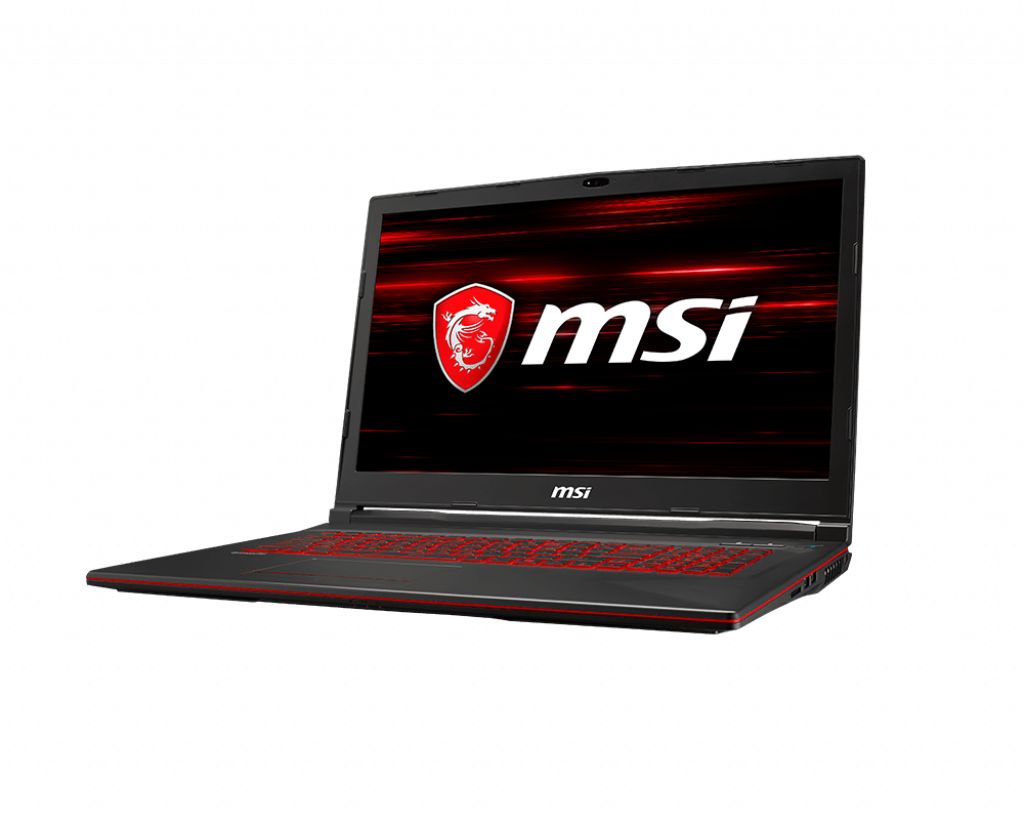
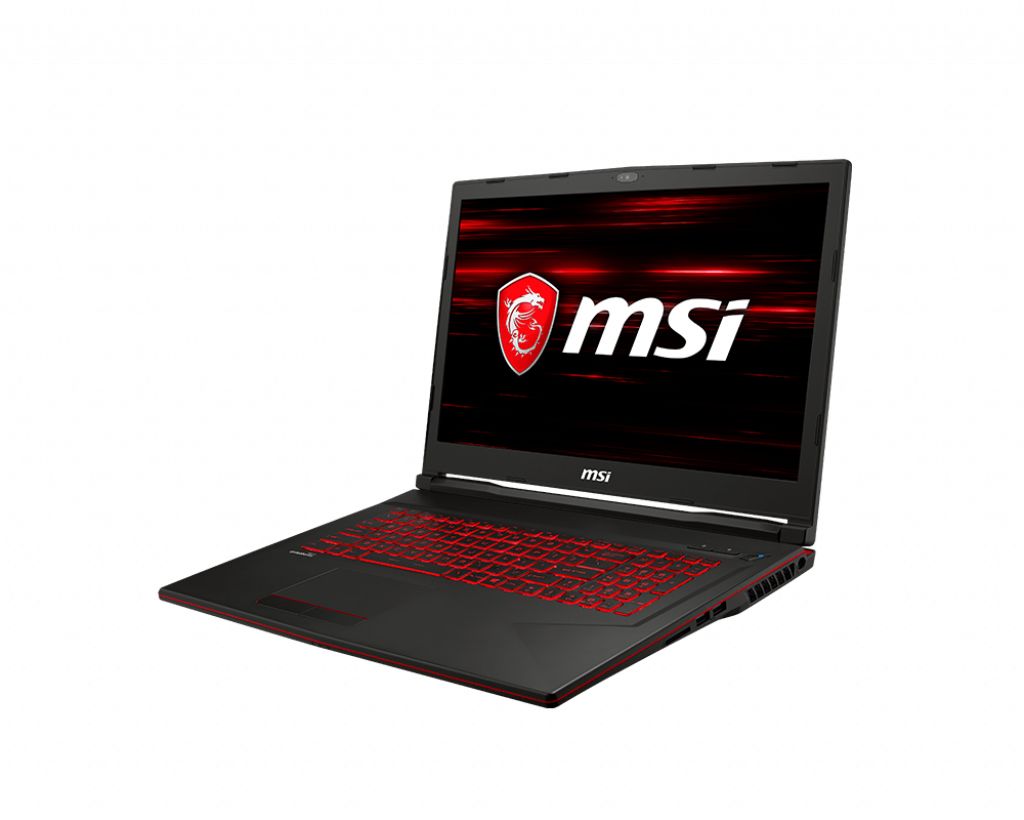


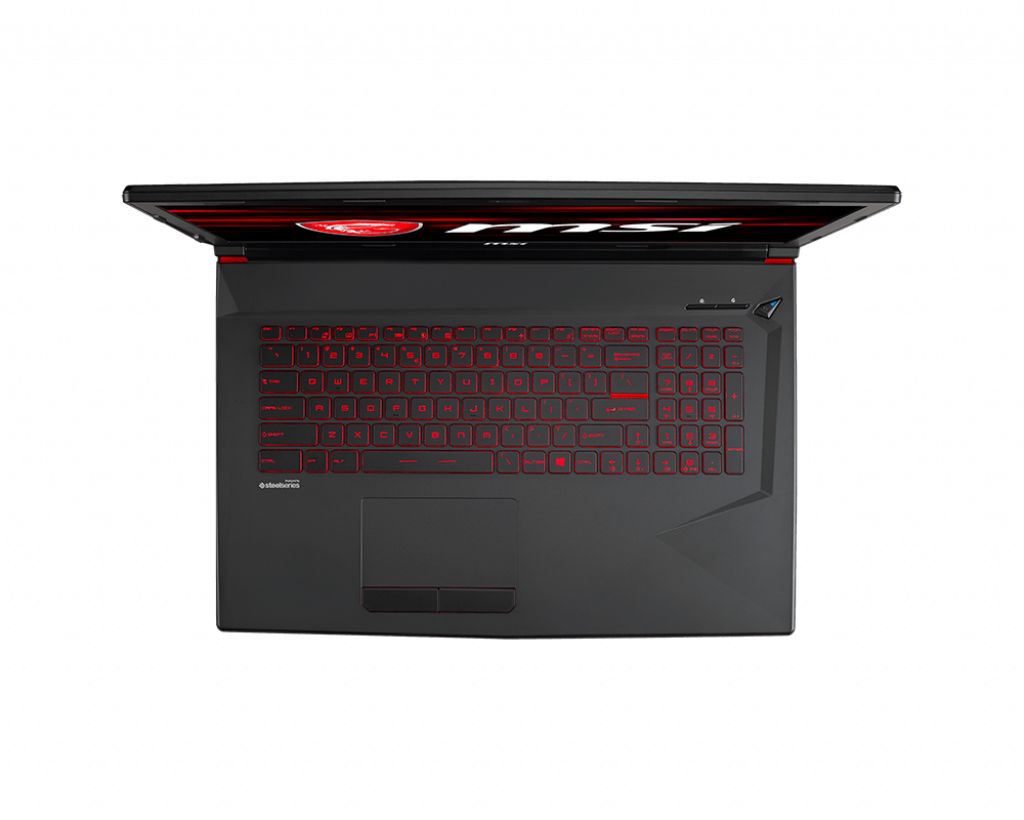
The MSI GL73 8SE-014 Gaming series laptop features DDR4-SDRAM memory upgrade specifications. The system contains two SO-DIMM slots supporting a maximum RAM capacity of 32 GB. Memory modules operate at 2666 MHz frequency. Compatible upgrades utilize SO-DIMM form factor DDR4 specifications. Current specifications and maximum capacity information enable users to identify compatible RAM upgrades for expanding the laptop's memory configuration.
Memory Upgrade Specifications
| Specification | Value |
|---|---|
| Memory slots | 2x SO-DIMM |
| Form factor | SO-DIMM |
| Memory type | DDR4-SDRAM |
| Frequency | 2666 MHz |
| Maximum RAM | 32 GB |
| Voltage | 1.2V |
| Number of pins | 260-pin |
| Interface | PC4 |
| PC Speed Rating | PC4-2666 (PC4-21328) |
| Bandwidth | 21.3 GB/s |
| Laptop Release date | 11 March 2019 |
Additional Notes
- The MSI GL73 8SE-014 supports dual-channel memory architecture through its 2 SO-DIMM slots, enabling theoretical bandwidth of 42.6 GB/s when both slots are populated with matched modules.
- The 32 GB ceiling restricts professional workflows involving large datasets, virtual machine environments, or video editing projects that benefit from RAM allocations exceeding this threshold.
- DDR4-2666 compatibility limits higher-frequency modules to downclocking, preventing native operation of DDR4-3200 or faster RAM without potential stability implications.
- SO-DIMM form factor restricts installation to notebook-specific modules measuring 67.6 mm in length, precluding use of standard 133.35 mm desktop DIMM modules.
- Single-rank versus dual-rank module selection impacts effective bandwidth, with dual-rank configurations potentially delivering 5-15% throughput improvements in memory-intensive applications.
- Populating both memory slots with identical capacity and timing specifications eliminates asymmetric dual-channel mode, which can introduce latency penalties during interleaved memory access.
- The non-ECC memory architecture prioritizes performance over error correction, making the system unsuitable for mission-critical applications requiring data integrity verification.
- Access to memory slots typically requires bottom panel removal, with warranty implications varying based on regional consumer protection regulations and manufacturer service policies.
- JEDEC-standard DDR4-2666 operates at 1.2V, while overclocked or non-standard modules may require voltage adjustments unsupported by mobile platform chipsets.
- The 2666 MHz frequency represents a CAS latency absolute time of approximately 13.5 nanoseconds when using CL19 modules, compared to 15 nanoseconds at CL20.