MSI Gaming GL75 10SFK-479XFR Leopard RAM upgrade specifications
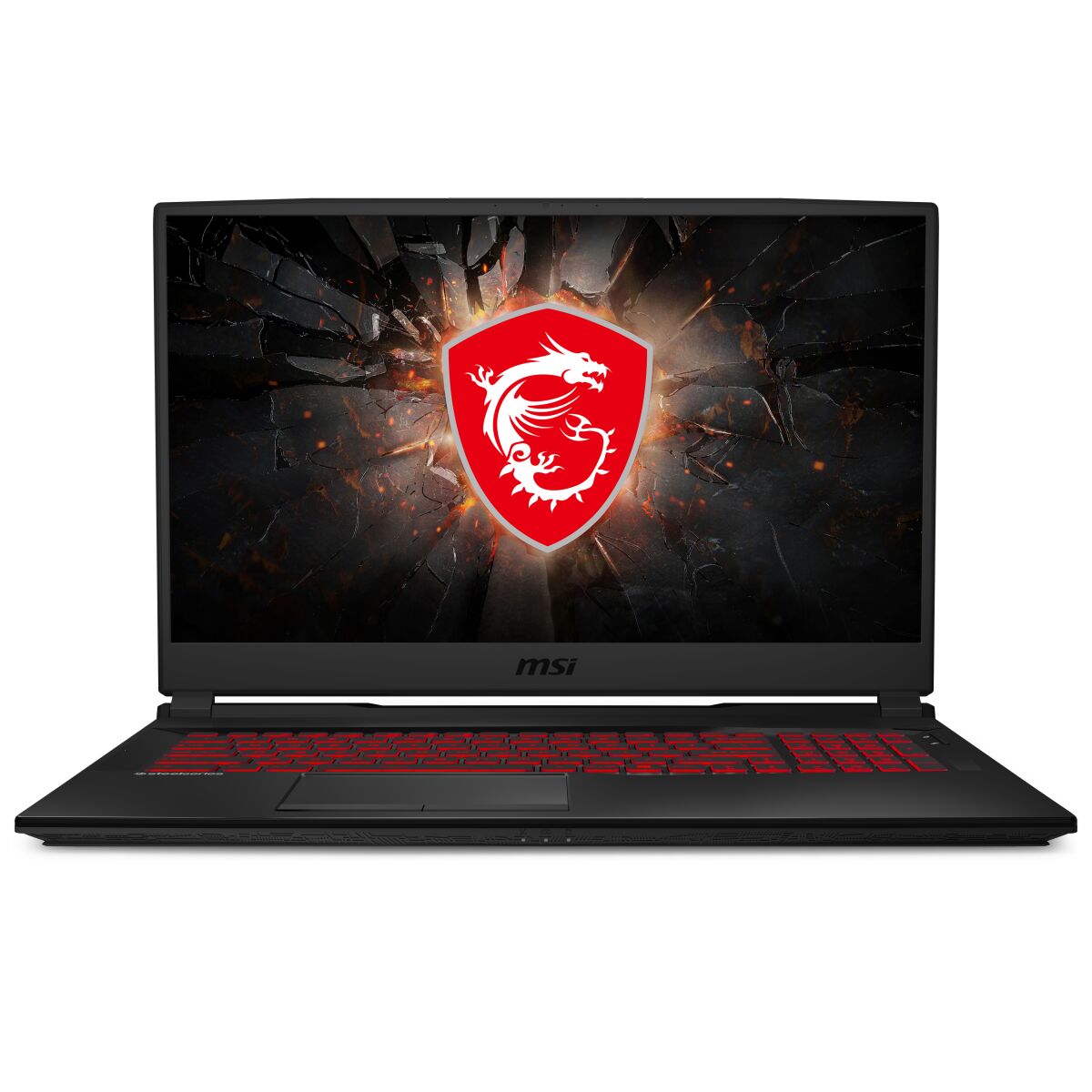

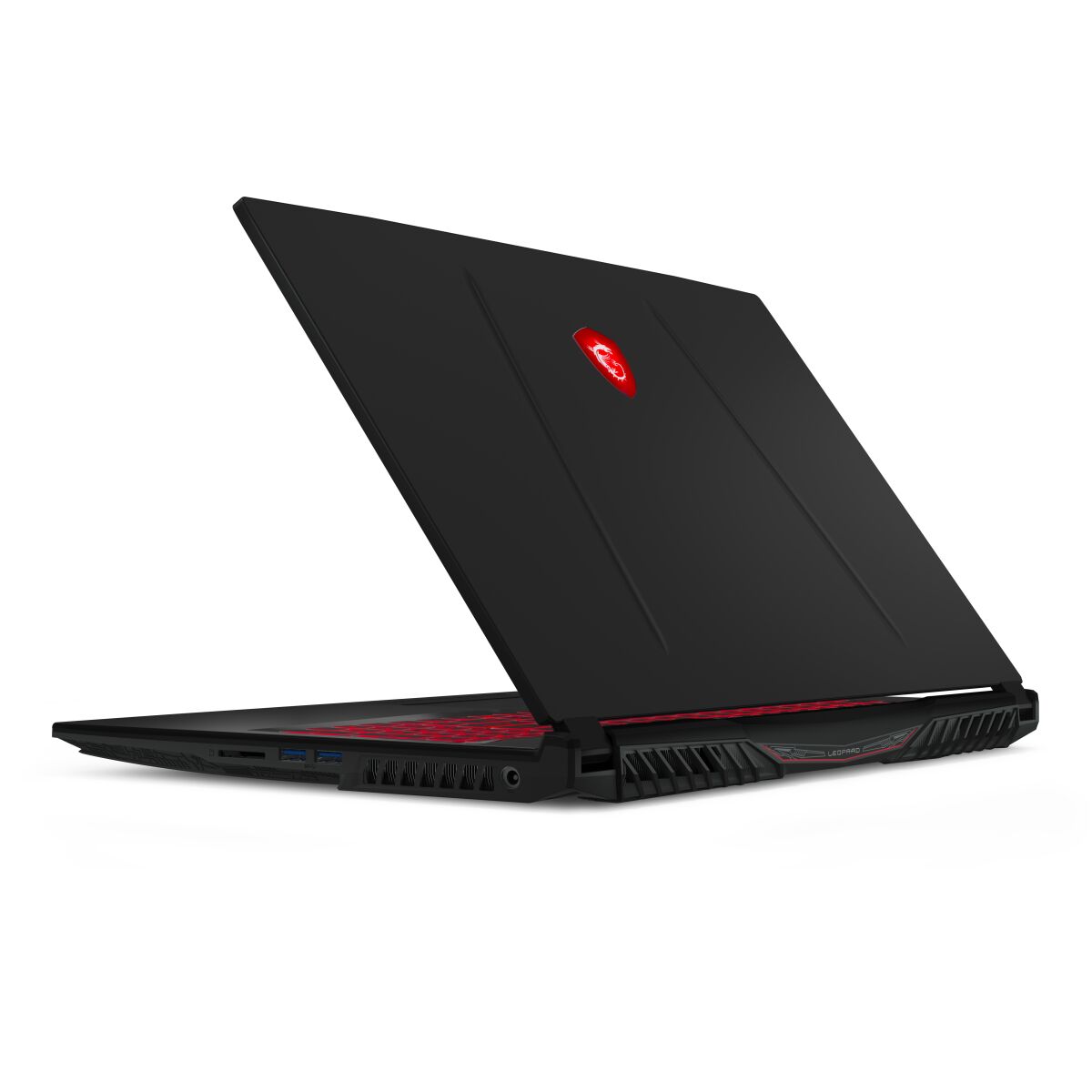
MSI GL75 10SFK-479XFR Leopard gaming laptop compatible with DDR4-SDRAM memory upgrade specifications. Laptop features 2x SO-DIMM slots supporting maximum RAM capacity of 64 GB. Memory upgrade compatible with DDR4 modules operating at 3200 MHz frequency. SO-DIMM form factor specifications enable internal memory expansion for enhanced performance. GL series gaming model accommodates dual memory slots for configurable RAM upgrade options.
Memory Upgrade Specifications
| Specification | Value |
|---|---|
| Memory slots | 2x SO-DIMM |
| Form factor | SO-DIMM |
| Memory type | DDR4-SDRAM |
| Frequency | 3200 MHz |
| Maximum RAM | 64 GB |
| Voltage | 1.2V |
| Number of pins | 260-pin |
| Interface | PC4 |
| PC Speed Rating | PC4-3200 (PC4-25600) |
| Bandwidth | 25.6 GB/s |
| Laptop Release date | 17 December 2020 |
Additional Notes
- The MSI GL75 10SFK-479XFR Leopard contains 2 SO-DIMM slots operating in dual-channel configuration, which means memory bandwidth scales linearly with each additional matched module installed up to the 64 GB ceiling.
- DDR4-3200 MHz represents the native JEDEC standard for 10th-generation Intel mobile processors; replacement modules must meet this frequency specification to avoid BIOS-level throttling or stability issues during sustained gaming loads.
- SO-DIMM form factor requires low-profile memory modules with maximum heights around 30 mm; standard desktop DDR4 DIMMs cannot physically install, and oversized heatspreaders on high-performance modules may contact internal palmrest components or cooling ducting.
- Upgrading to 64 GB total capacity from a factory configuration typically requires purchasing 32 GB modules in matched pairs; single-module upgrades create asymmetric channel population that reduces effective throughput by approximately 15 to 25 percent compared to symmetric dual-channel operation.
- SODIMM slots are user-accessible without voiding manufacturer coverage on this mobile gaming platform, allowing field upgrades; however, mixing DDR4 speeds between slots forces hardware downclocking to the slower module's rating, degrading performance gains from the upgrade.
- Memory latency on DDR4-3200 MHz SO-DIMMs typically ranges from 16 to 22 CAS cycles; higher-latency modules preserve stability in thermally constrained laptop environments but may add 2 to 5 nanoseconds of response delay during processor-to-memory operations under load.