MSI Gaming GL75 10SFR-071 Leopard RAM upgrade specifications
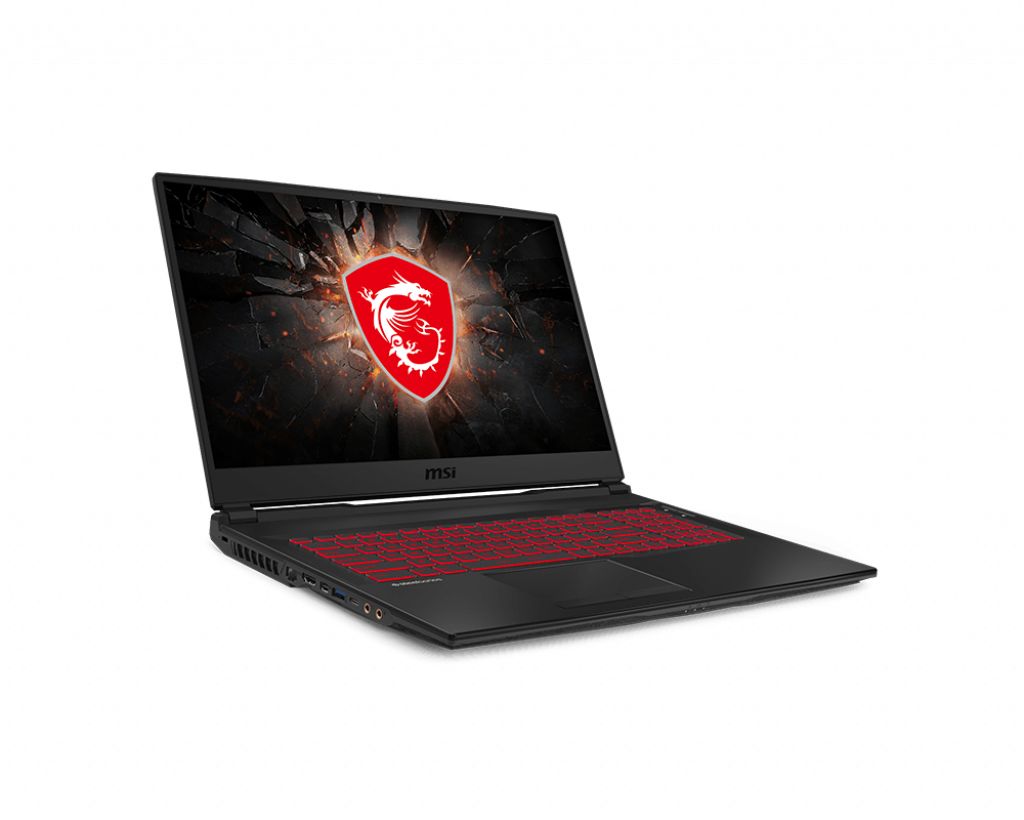
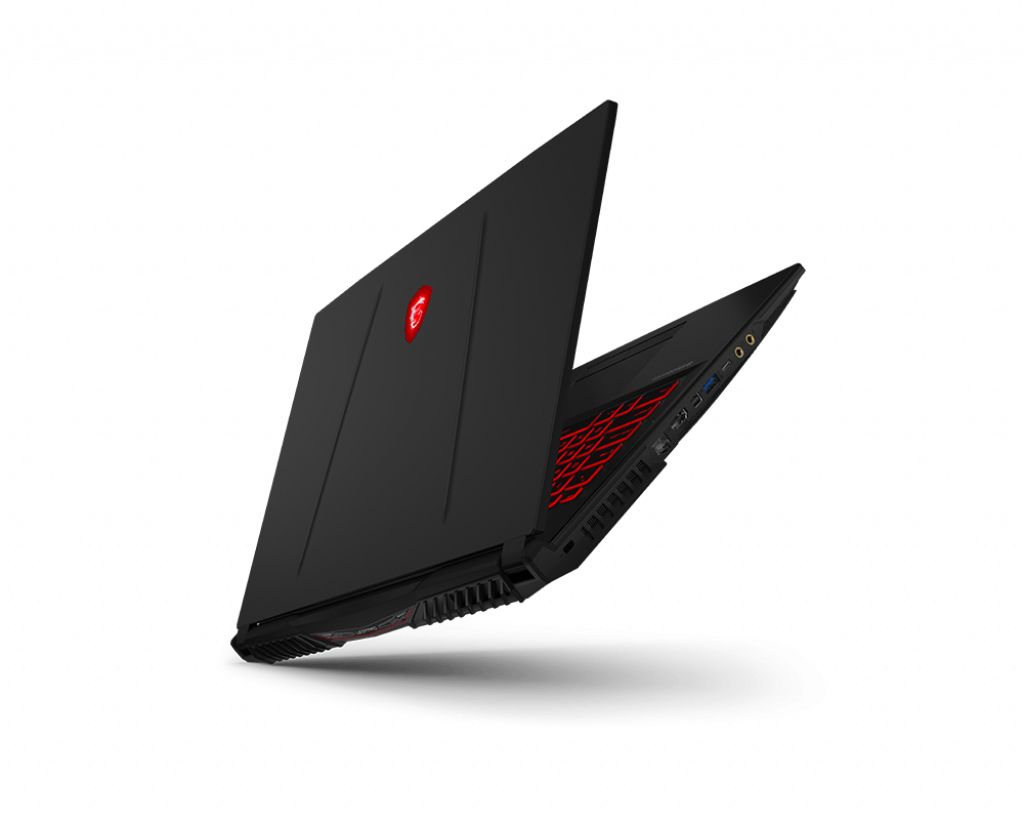
The MSI GL75 10SFR-071 Leopard gaming laptop features DDR4-SDRAM memory upgrade capability with 2x SO-DIMM slots supporting up to 64 GB maximum RAM capacity. Compatible upgrades utilize DDR4 technology operating at 2666 MHz frequency. The GL series gaming model accepts standard SO-DIMM form factor memory modules for expansion. Specifications indicate MSI GL75 Leopard configurations accommodate dual memory slot upgrades to enhance system performance and multitasking capabilities.
Memory Upgrade Specifications
| Specification | Value |
|---|---|
| Memory slots | 2x SO-DIMM |
| Form factor | SO-DIMM |
| Memory type | DDR4-SDRAM |
| Frequency | 2666 MHz |
| Maximum RAM | 64 GB |
| Voltage | 1.2V |
| Number of pins | 260-pin |
| Interface | PC4 |
| PC Speed Rating | PC4-2666 (PC4-21328) |
| Bandwidth | 21.3 GB/s |
| Laptop Release date | 01 April 2020 |
Additional Notes
- The MSI GL75 10SFR-071 Leopard supports only DDR4 SO-DIMM modules, which restricts upgrade options to mobile-grade RAM incompatible with desktop systems. This form factor constraint eliminates any repurposing of standard DIMM memory from other devices.
- The 2666 MHz native frequency represents the maximum supported speed for this generation architecture. Attempting to install faster DDR4 modules (3000 MHz, 3200 MHz) will result in automatic downclocking to 2666 MHz, negating the performance premium of higher-speed RAM without warranty complications.
- Dual SO-DIMM configuration with 64 GB maximum capacity indicates both slots must be populated with 32 GB modules to reach the upper limit. Single-slot upgrades cap usable memory at 32 GB, limiting headroom for future multi-instance workloads or virtual machine configurations.
- The 2-slot architecture forces a complete memory replacement workflow rather than additive upgrades. Existing modules must be removed and reinstalled or discarded, creating a higher total cost of ownership compared to systems with 4+ slots that permit staged RAM expansion.
- SO-DIMM modules generate higher thermal density in confined laptop enclosures compared to larger form factors. Coupling this with the gaming laptop's sustained load profile creates potential for thermally-induced clock throttling if aftermarket RAM includes integrated heat spreaders that obstruct airflow patterns or interfere with internal heatsink contact.