MSI Gaming GL76 12UEK-093ES Pulse RAM upgrade specifications
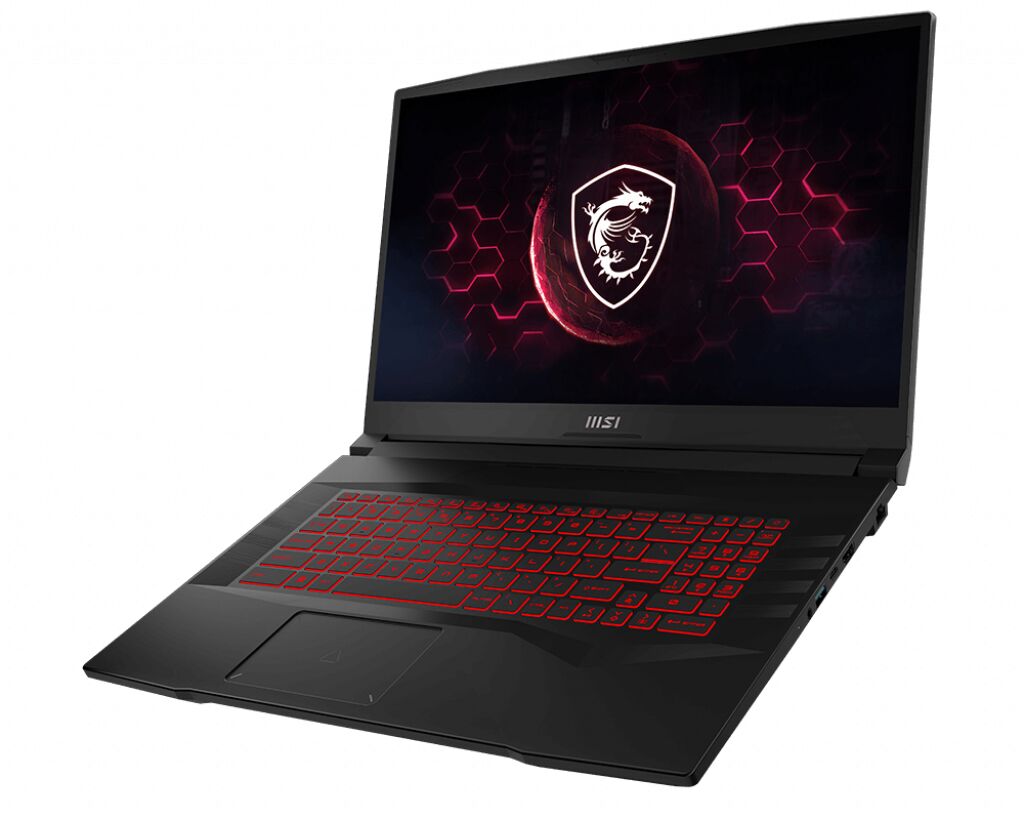
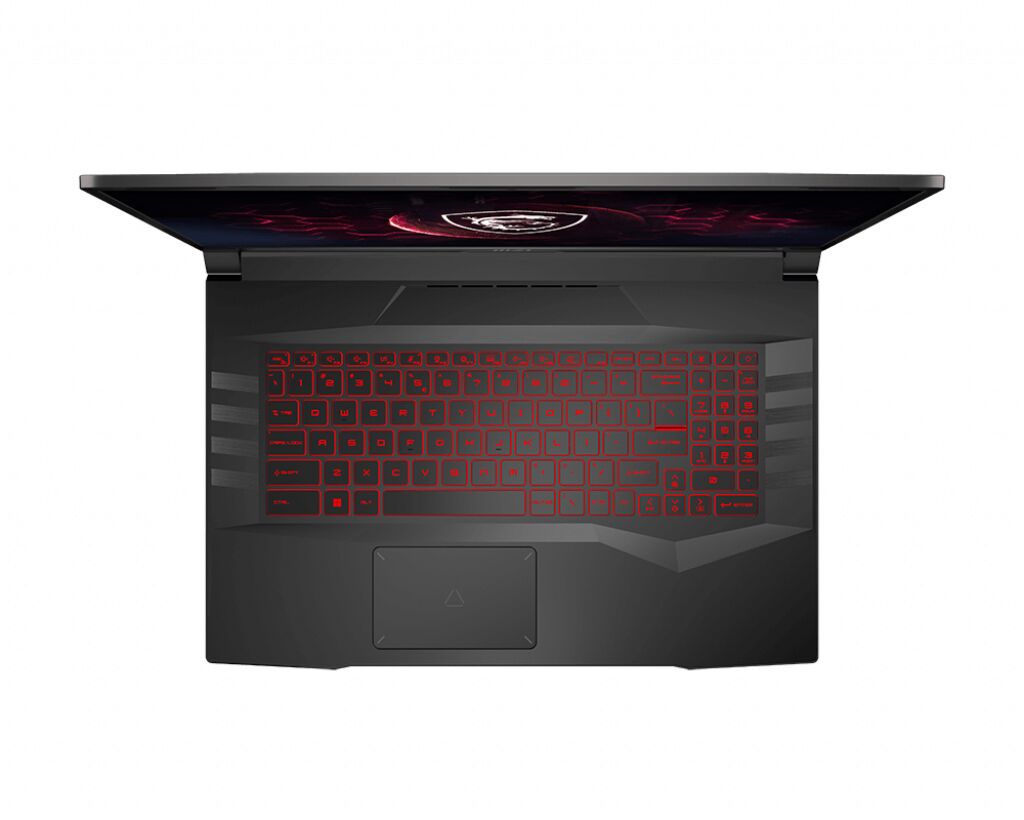
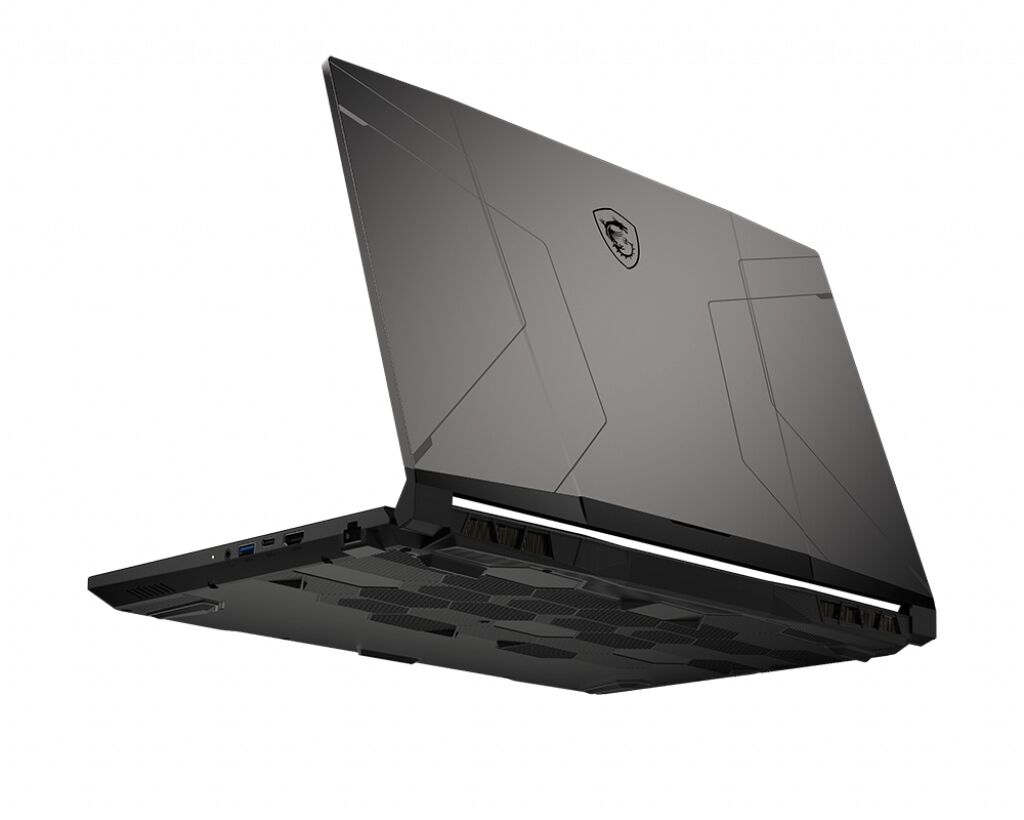
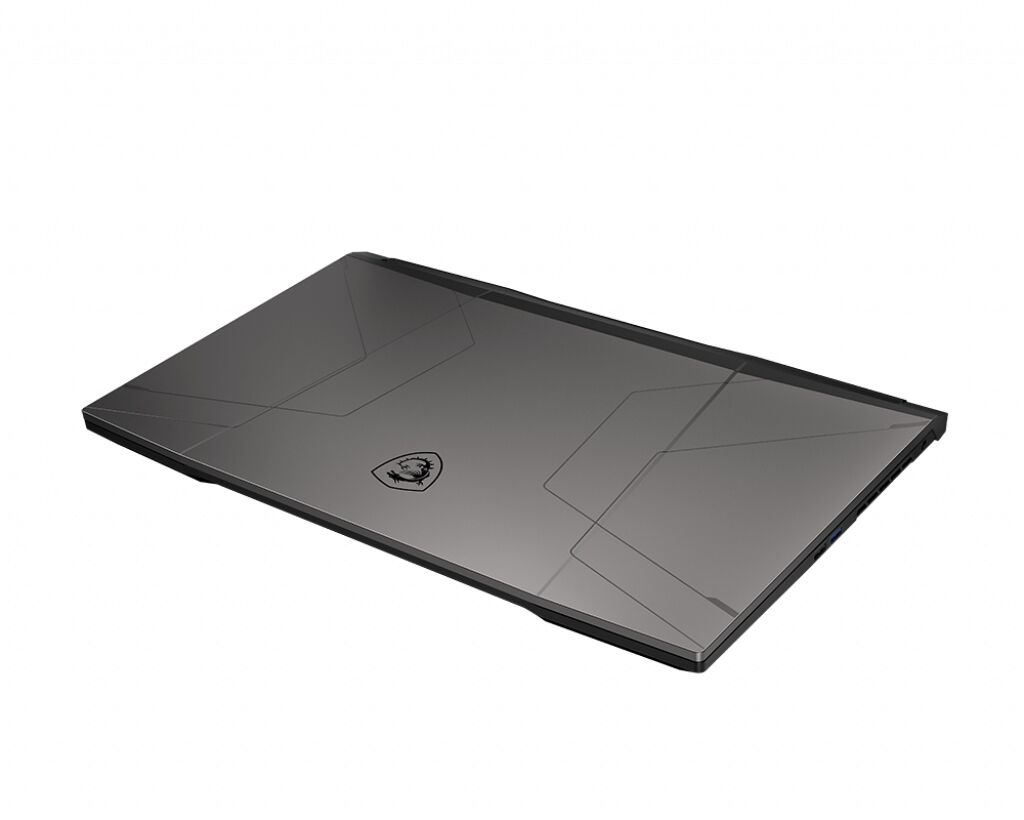
MSI GL76 12UEK-093ES Pulse gaming laptop supports DDR4-SDRAM memory upgrades through two SO-DIMM slots. Compatible memory modules operate at 3200 MHz frequency. Maximum RAM capacity reaches 64 GB for the GL series model. Current upgrade specifications allow for expansion of total system memory through replacement or addition of SO-DIMM form factor components. Specifications indicate DDR4 technology compatibility for the GL76 12UEK-093ES Pulse platform.
Memory Upgrade Specifications
| Specification | Value |
|---|---|
| Memory slots | 2x SO-DIMM |
| Form factor | SO-DIMM |
| Memory type | DDR4-SDRAM |
| Frequency | 3200 MHz |
| Maximum RAM | 64 GB |
| Voltage | 1.2V |
| Number of pins | 260-pin |
| Interface | PC4 |
| PC Speed Rating | PC4-3200 (PC4-25600) |
| Bandwidth | 25.6 GB/s |
| Laptop Release date | 23 February 2022 |
Additional Notes
- DDR4-3200 memory operates at reduced bandwidth compared to DDR5 alternatives, limiting maximum theoretical throughput to 51.2 GB/s per channel. This constraint becomes relevant only under sustained workloads exceeding 90% CPU utilization paired with GPU-intensive tasks.
- The 2 SO-DIMM slot configuration on the MSI GL76 12UEK-093ES Pulse permits only symmetric dual-channel operation. Mixed-capacity configurations (such as 16 GB plus 32 GB modules) remain technically functional but forfeit the performance benefit of full dual-channel bandwidth symmetry across both channels.
- Reaching the 64 GB maximum requires 2x 32 GB SO-DIMM modules, a configuration that saturates all available slots and eliminates any upgrade pathway beyond this ceiling without complete module replacement.
- SO-DIMM mechanical dimensions restrict compatible modules to laptop-grade form factors only. Desktop DDR4 modules remain physically incompatible with the notebook's memory interface, regardless of electrical specifications or frequency matching.
- The DDR4-3200 specification represents JEDEC standard rating. Modules rated for higher frequencies (such as 3600 MHz or 4000 MHz) function at reduced speed in this platform, with no warranty risk from speed downclocking, though the performance gain becomes negligible in non-overclocked notebook environments.
- Latency characteristics of replacement modules carry significance for gaming workload consistency. CAS latency variance between 16 and 22 cycles produces measurable frame-time variance in CPU-bound scenarios, though absolute FPS impact remains below 5 percent in most titles.