MSI Gaming GL76 12UEK-069XPL Pulse RAM upgrade specifications
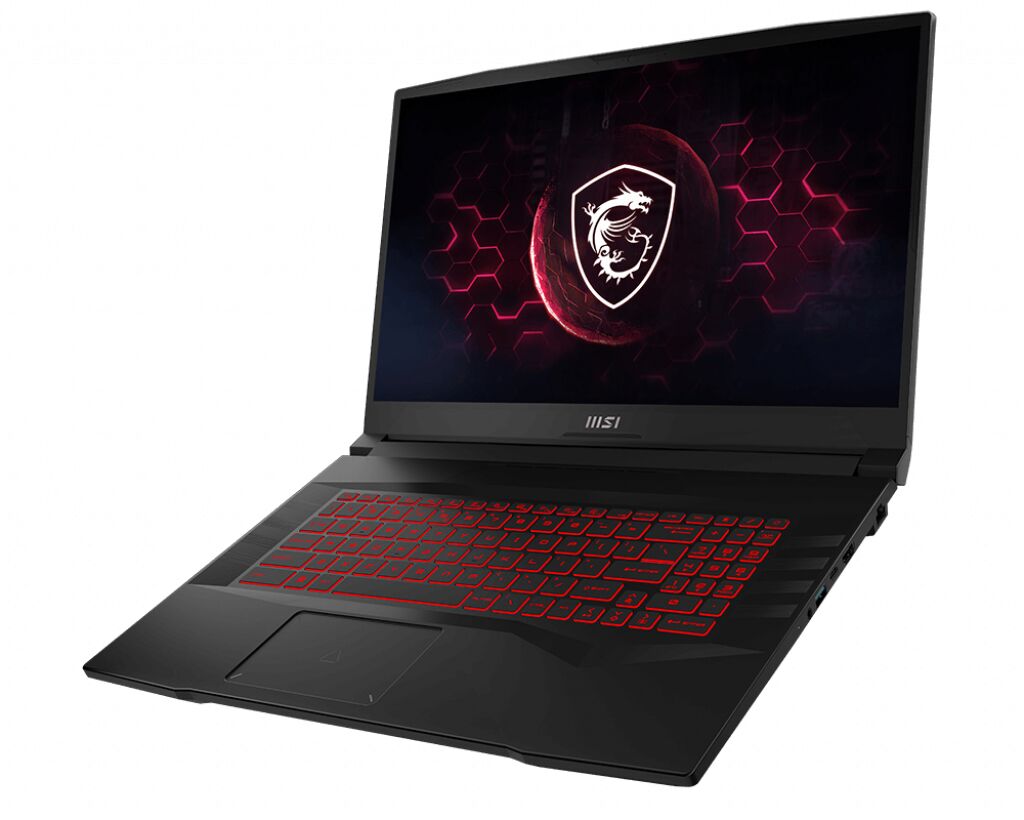
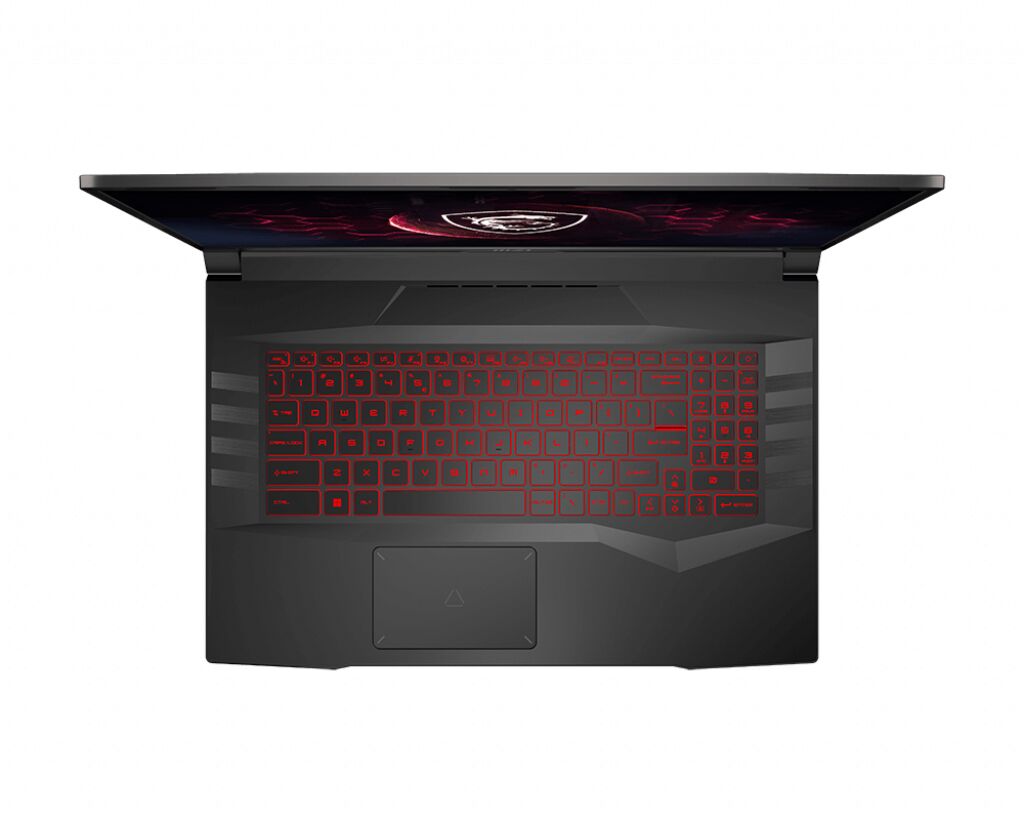
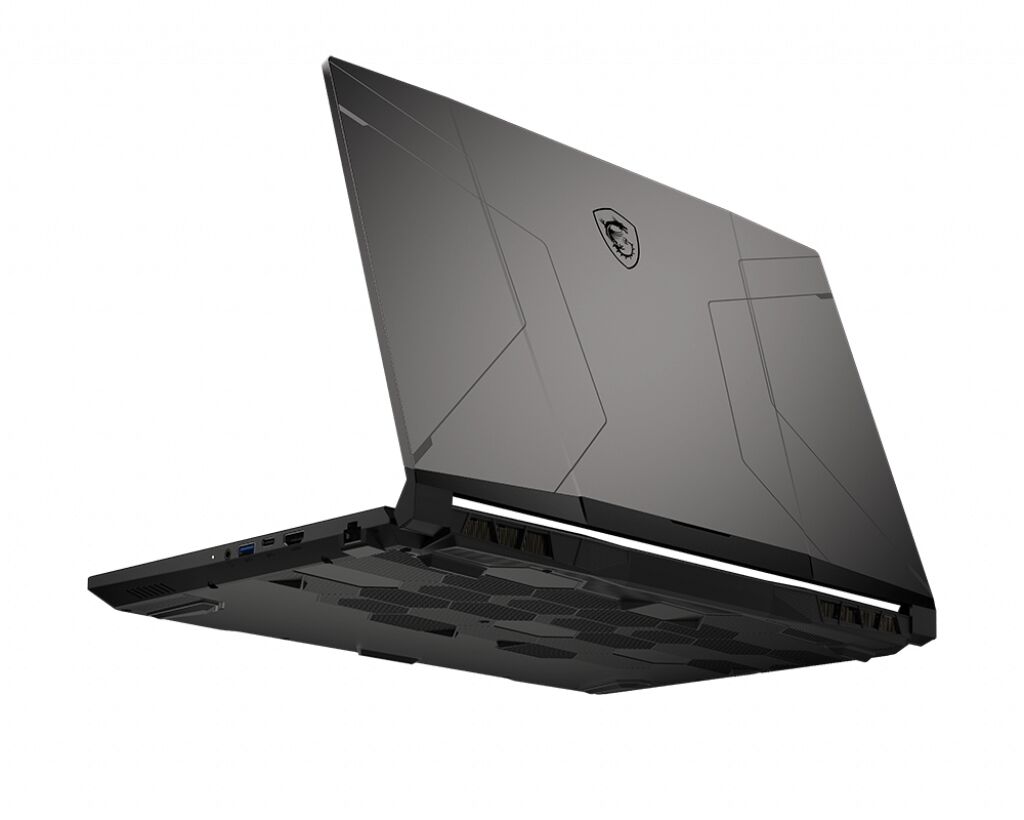
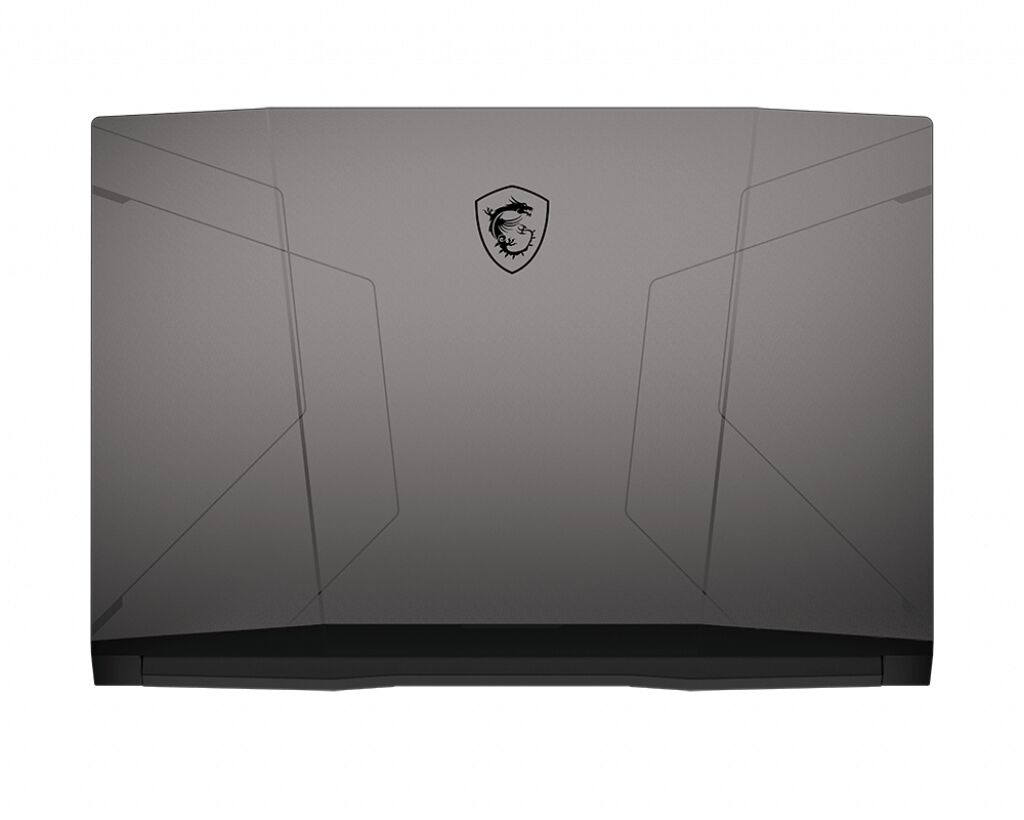
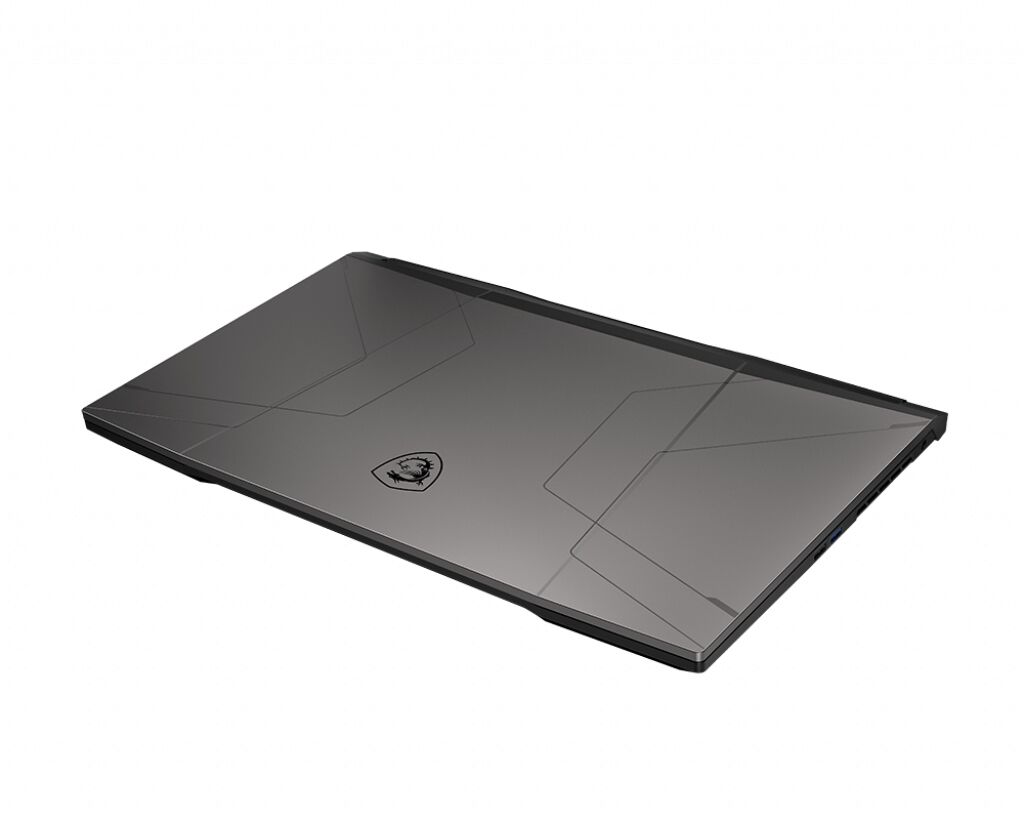
MSI GL76 12UEK-069XPL Pulse Gaming series laptop features DDR4-SDRAM memory upgrade capability. The system contains 2x SO-DIMM slots with maximum RAM capacity of 64 GB. Compatible memory modules operate at 3200 MHz frequency. Specifications support dual-channel configuration for optimal performance in gaming applications. SO-DIMM form factor ensures compatibility with standard laptop memory upgrades for the GL76 series.
Memory Upgrade Specifications
| Specification | Value |
|---|---|
| Memory slots | 2x SO-DIMM |
| Form factor | SO-DIMM |
| Memory type | DDR4-SDRAM |
| Frequency | 3200 MHz |
| Maximum RAM | 64 GB |
| Voltage | 1.2V |
| Number of pins | 260-pin |
| Interface | PC4 |
| PC Speed Rating | PC4-3200 (PC4-25600) |
| Bandwidth | 25.6 GB/s |
| Laptop Release date | 22 April 2022 |
Additional Notes
- The MSI GL76 12UEK-069XPL Pulse accepts DDR4 SO-DIMM modules exclusively, which eliminates compatibility with DDR3 or DDR5 memory technologies regardless of physical form factor matching.
- The 3200 MHz frequency specification requires motherboard chipset support for this speed rating; modules with higher native speeds will downclock to match this ceiling unless overclocking capabilities exist in the BIOS.
- Dual-channel memory architecture becomes available when populating both SO-DIMM slots with matched capacity modules, delivering double the theoretical bandwidth compared to single-channel configurations.
- The 64 GB maximum capacity constraint suggests installation of 2x32 GB modules for full population, though single 32 GB or paired 16 GB configurations remain viable for lower total capacity needs.
- SO-DIMM form factor measures 67.6 mm in length compared to 133.35 mm desktop DIMM modules, preventing physical installation of standard desktop memory into this mobile platform.
- Mixing modules with different density configurations or speed ratings within the 2 populated slots may force operation at the lowest common denominator specifications for stability.
- Installation requires accessing the bottom chassis panel, which typically involves removing retention screws; improper removal risks damage to warranty seals depending on regional consumer protection regulations.
- Non-ECC unbuffered modules represent the standard for this platform category, while ECC or registered memory types designed for server applications will likely face rejection during POST.
- The 12th generation Intel platform designation implies compatibility with JEDEC-standard DDR4 voltage specifications at 1.2V, while higher-voltage XMP profiles may require manual BIOS activation.
- Thermal considerations emerge when operating at maximum 64 GB capacity under sustained workloads, as dual high-density modules generate cumulative heat within the confined SO-DIMM slot area.