MSI Gaming GL76 12UEK-215 Pulse RAM upgrade specifications
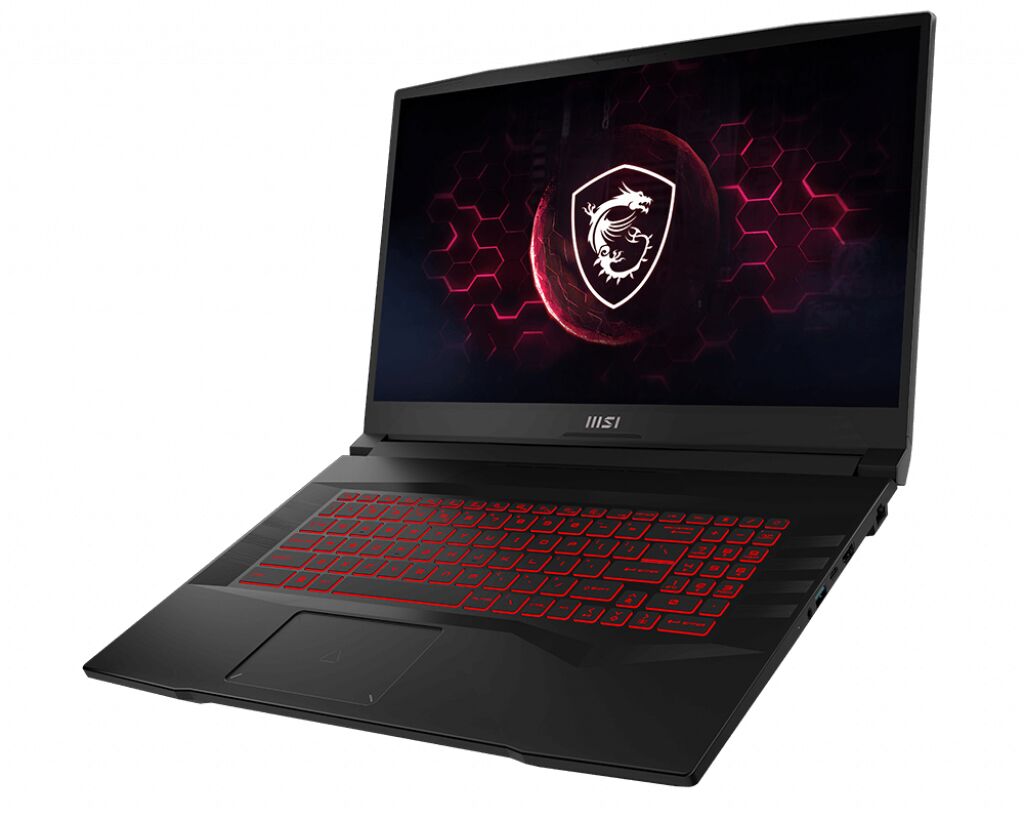
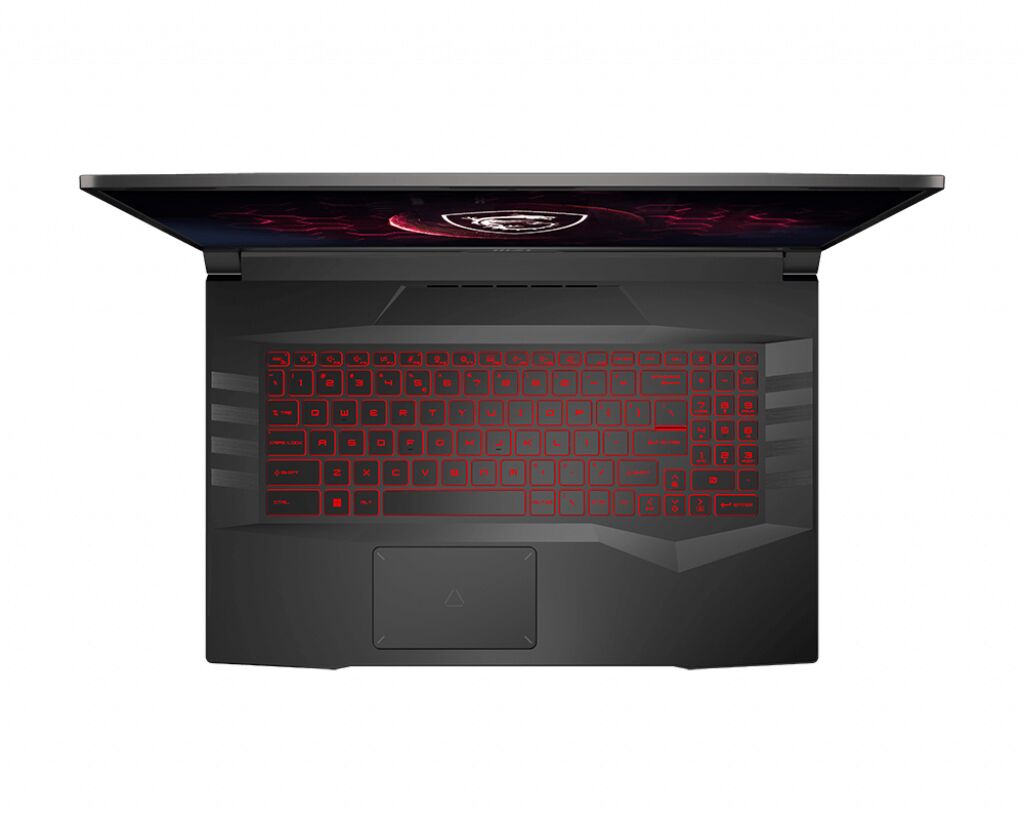
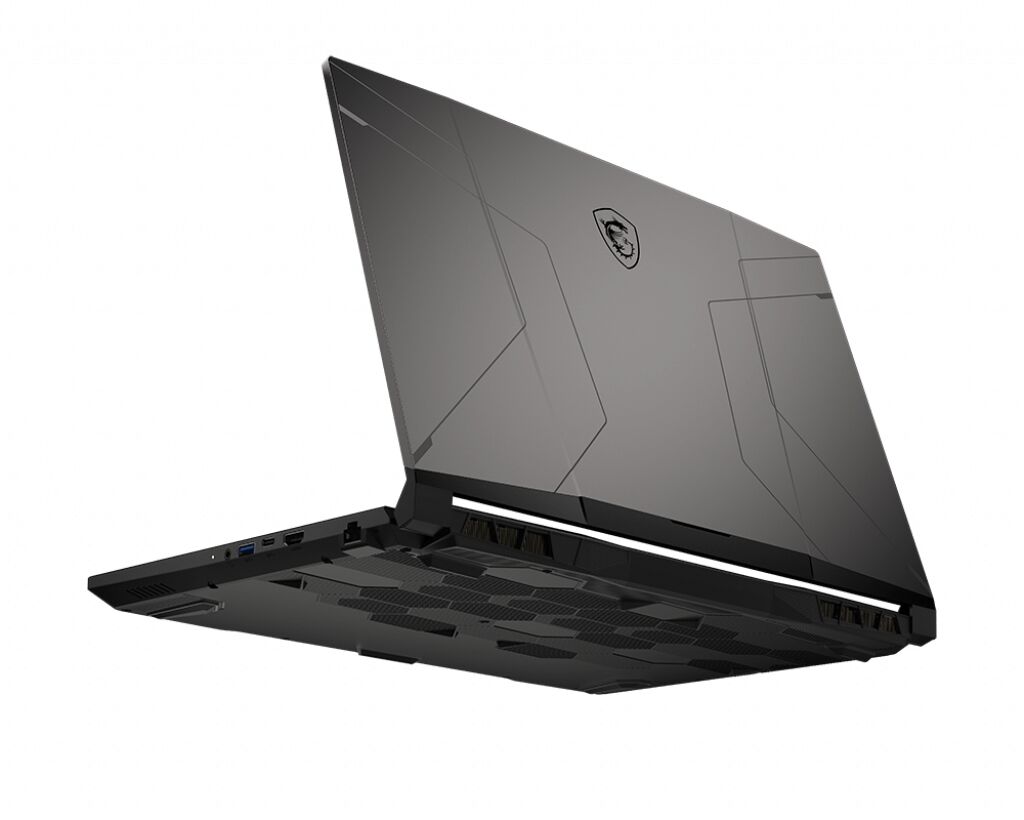
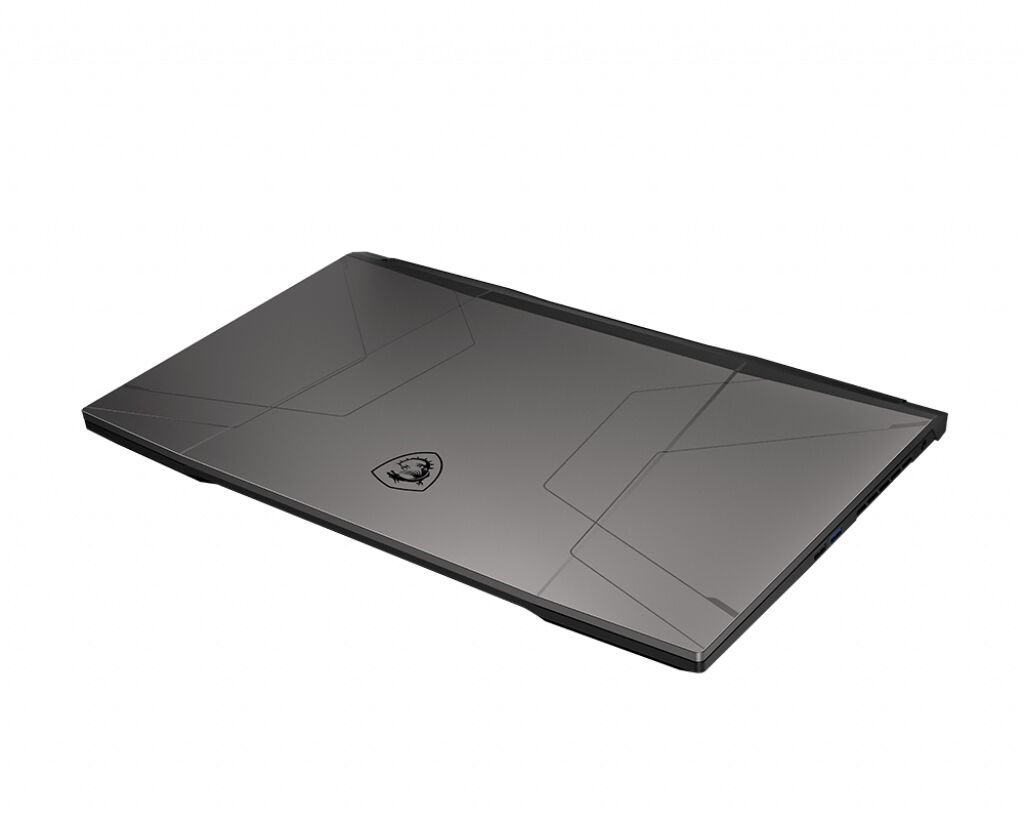
MSI GL76 12UEK-215 Pulse gaming laptop supports DDR4-SDRAM memory upgrades. The system features 2x SO-DIMM slots with maximum capacity of 64 GB RAM. Compatible memory modules operate at 3200 MHz frequency. Current upgrade specifications allow for expansion up to the maximum supported capacity through SO-DIMM form factor memory modules. The GL76 12UEK-215 Pulse from MSI Gaming series accommodates DDR4 memory upgrades for enhanced multitasking and performance capabilities.
Memory Upgrade Specifications
| Specification | Value |
|---|---|
| Memory slots | 2x SO-DIMM |
| Form factor | SO-DIMM |
| Memory type | DDR4-SDRAM |
| Frequency | 3200 MHz |
| Maximum RAM | 64 GB |
| Voltage | 1.2V |
| Number of pins | 260-pin |
| Interface | PC4 |
| PC Speed Rating | PC4-3200 (PC4-25600) |
| Bandwidth | 25.6 GB/s |
| Laptop Release date | 28 January 2022 |
Additional Notes
- The absence of soldered memory on the MSI GL76 12UEK-215 Pulse motherboard ensures that the entire system memory can be replaced or matched for dual-channel bandwidth optimization.
- Reaching the 64 GB maximum capacity requires the removal of all existing factory modules to accommodate 2 high-density 32 GB sticks.
- The 3200 MHz frequency ceiling indicates that installing modules with higher rated speeds will result in automatic downclocking to match the integrated memory controller limits.
- Dual-slot architecture allows for symmetrical memory pairing which significantly reduces latency compared to single-channel configurations during heavy processing tasks.
- The SO-DIMM form factor dictates a specific physical clearance within the chassis that prevents the use of modules equipped with oversized aftermarket heat spreaders.
- Upgrading memory requires the removal of the entire bottom base panel which involves breaking factory seals and potentially impacting regional warranty terms depending on local consumer laws.
- Utilizing DDR4-SDRAM prevents the installation of newer DDR5 modules due to incompatible pin counts and different voltage requirements at the hardware level.