MSI Gaming GP65 10SDK-433 Leopard RAM upgrade specifications


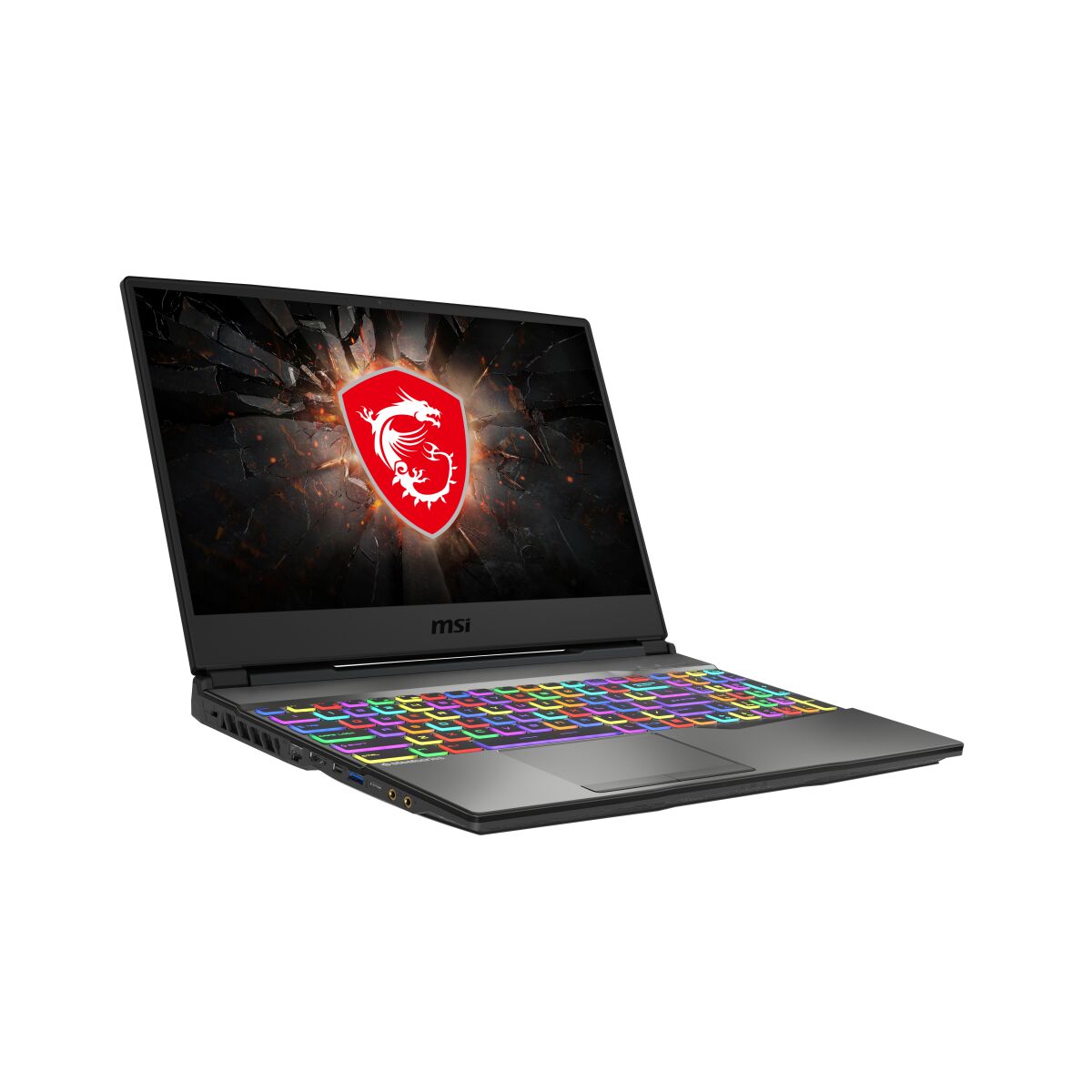


The MSI GP65 10SDK-433 Leopard gaming laptop features DDR4-SDRAM memory upgrade specifications with two SO-DIMM slots supporting a maximum capacity of 64 GB total RAM. Compatible memory modules operate at 2666 MHz frequency and utilize the SO-DIMM form factor standard for laptop upgrades. The specifications define the memory upgrade compatibility and maximum expandable RAM capacity for this Gaming GP series model.
Memory Upgrade Specifications
| Specification | Value |
|---|---|
| Memory slots | 2x SO-DIMM |
| Form factor | SO-DIMM |
| Memory type | DDR4-SDRAM |
| Frequency | 2666 MHz |
| Maximum RAM | 64 GB |
| Voltage | 1.2V |
| Number of pins | 260-pin |
| Interface | PC4 |
| PC Speed Rating | PC4-2666 (PC4-21328) |
| Bandwidth | 21.3 GB/s |
| Laptop Release date | 09 September 2020 |
Additional Notes
- The MSI GP65 10SDK-433 Leopard utilizes SO-DIMM modules rather than standard desktop DIMMs, requiring physically smaller memory components measuring 67.6 mm in length versus the desktop standard of 133.35 mm.
- DDR4-SDRAM architecture operates at 1.2 volts, consuming approximately 40% less power than DDR3 equivalents while enabling higher density configurations per module.
- The 2666 MHz frequency specification translates to a theoretical peak bandwidth of 21.3 GB/s per channel, though dual-channel configuration doubles this to 42.6 GB/s when both slots contain matched modules.
- Operating at 2666 MHz produces a CAS latency absolute time between 13.5 and 15 nanoseconds depending on timing configuration, affecting real-world application responsiveness beyond raw bandwidth metrics.
- Installing non-matching modules across the 2 slots forces the memory controller to downclock all modules to the slowest common frequency and timing configuration, potentially reducing performance below rated specifications.
- The 64 GB maximum capacity requires 2 modules of 32 GB each, as SO-DIMM physical constraints and chipset limitations prevent single-module configurations from reaching this ceiling.
- Memory modules rated above 2666 MHz will function but automatically downclock to match the controller's supported frequency, negating any performance premium paid for higher-speed RAM.
- JEDEC-standard unbuffered DDR4 SO-DIMMs maintain compatibility, while ECC or registered variants designed for server applications will not function in this consumer-grade memory controller.
- Accessing both slots typically requires bottom panel removal and potentially thermal assembly disassembly, distinguishing this from single-access-hatch designs common in budget configurations.
- The dual-channel architecture divides memory addresses across both slots simultaneously, meaning single-module operation reduces memory subsystem bandwidth by approximately 50% compared to matched dual-module installation.