MSI Gaming GP65 10SDK-479XIT Leopard RAM upgrade specifications


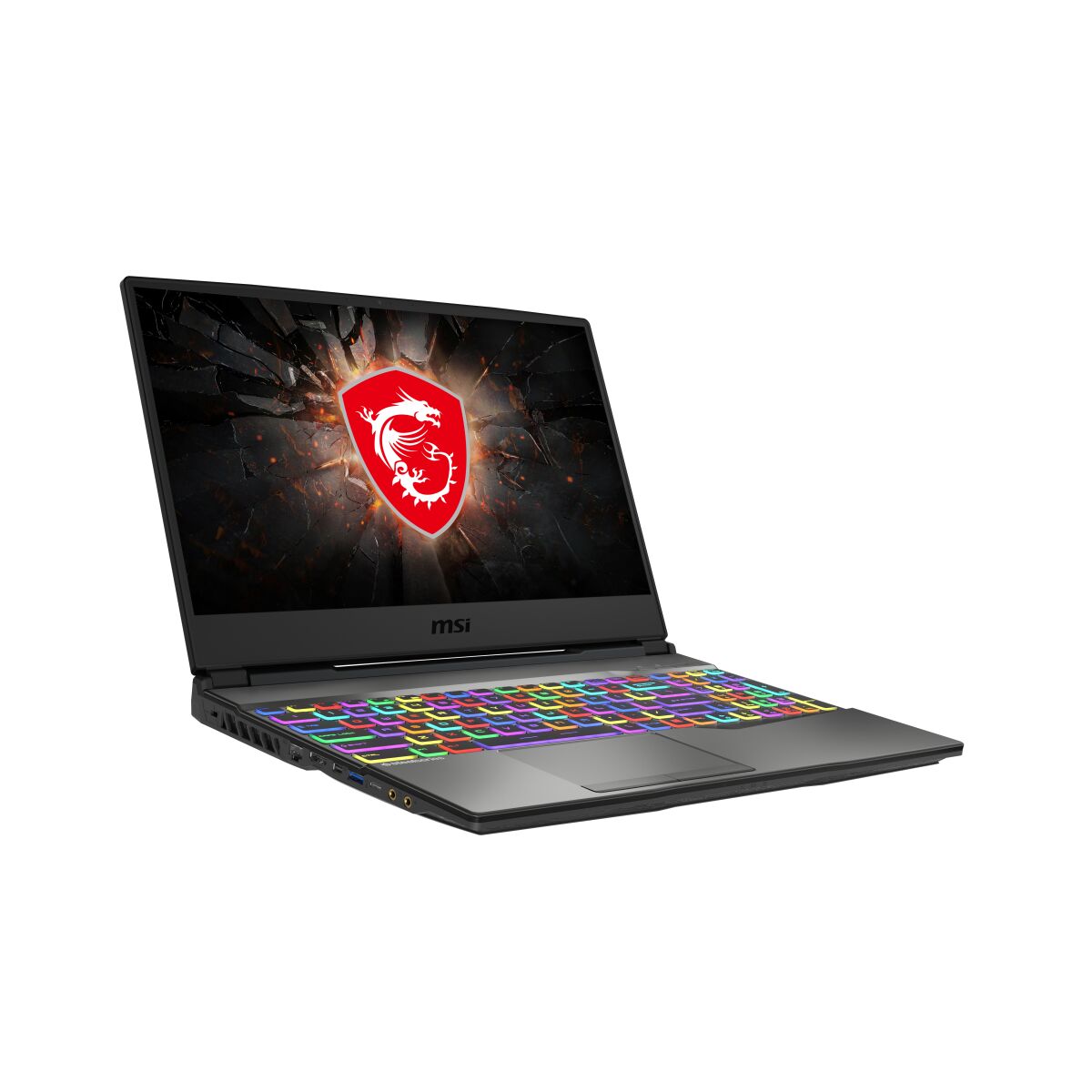

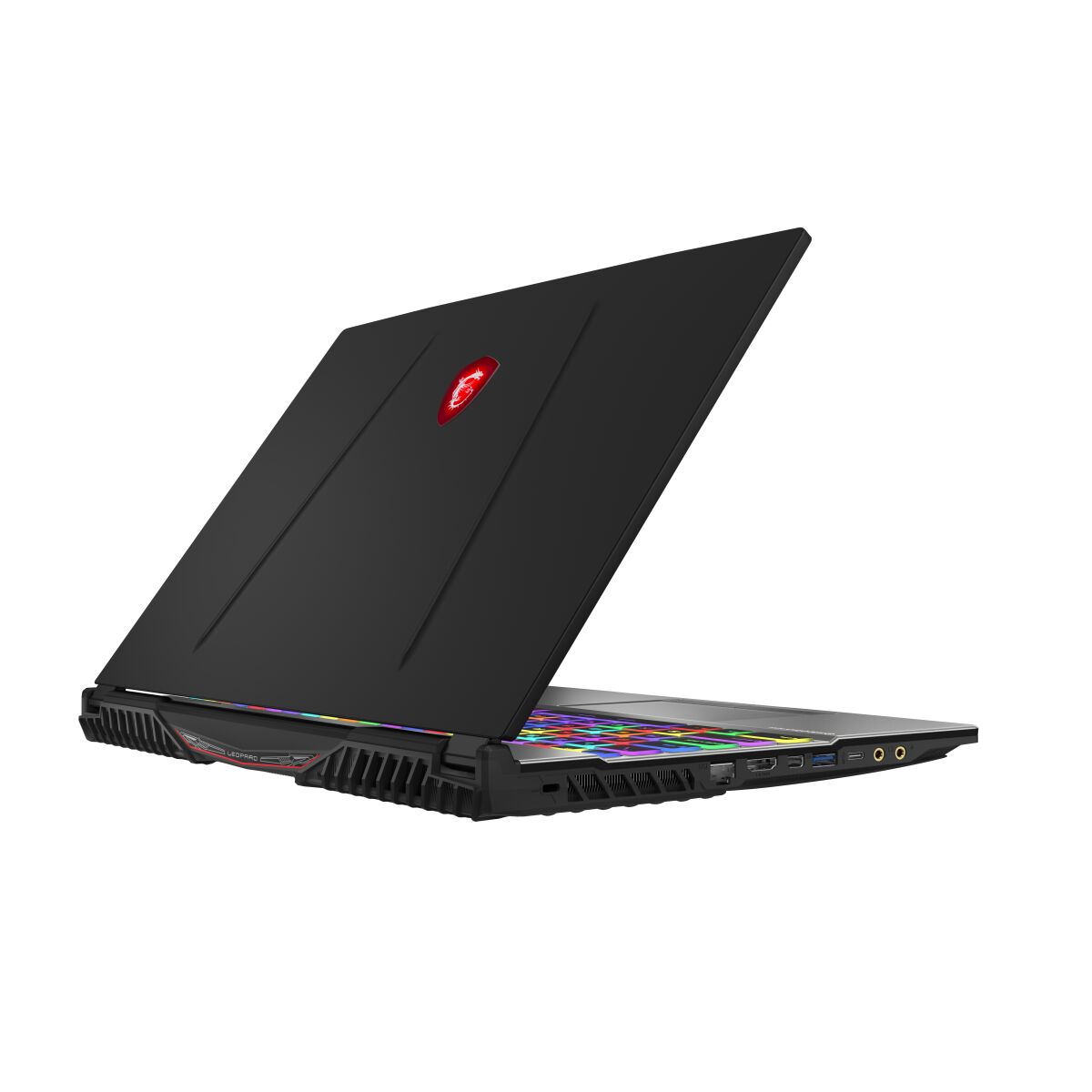
MSI GP65 10SDK-479XIT Leopard gaming laptop features two SO-DIMM slots supporting DDR4-SDRAM memory upgrades. Compatible memory operates at 2666 MHz frequency with maximum capacity specifications of 64 GB total RAM. Memory upgrade pathway allows installation of DDR4 SO-DIMM modules to enhance system performance. Specifications indicate dual-slot configuration enabling flexible memory expansion for increased multitasking capability and application support on MSI's Leopard GP series gaming platform.
Memory Upgrade Specifications
| Specification | Value |
|---|---|
| Memory slots | 2x SO-DIMM |
| Form factor | SO-DIMM |
| Memory type | DDR4-SDRAM |
| Frequency | 2666 MHz |
| Maximum RAM | 64 GB |
| Voltage | 1.2V |
| Number of pins | 260-pin |
| Interface | PC4 |
| PC Speed Rating | PC4-2666 (PC4-21328) |
| Bandwidth | 21.3 GB/s |
| Laptop Release date | 21 September 2020 |
Additional Notes
- The MSI GP65 10SDK-479XIT Leopard contains 2 SO-DIMM slots with a 64 GB aggregate ceiling, indicating both slots must be populated to achieve maximum capacity, with each module reaching 32 GB.
- DDR4-2666 MHz operation represents a bandwidth constraint relative to newer DDR4-3200 and DDR4-3600 standards; memory upgrades must match or fall below 2666 MHz to avoid automatic downclocking and potential instability from speed incompatibility.
- SO-DIMM form factor requires laptop-specific modules rather than desktop DIMM equivalents; physical clearance under the keyboard assembly may restrict heatspreader height, limiting module selection to low-profile variants in edge cases.
- Populating both SO-DIMM slots simultaneously enables dual-channel architecture; upgrading a single slot creates asymmetrical memory configuration, reducing aggregate bandwidth by approximately 25 percent compared to matched-pair installations.
- Warranty retention typically permits memory module replacement without voiding coverage, provided no solder traces are damaged during extraction and installation follows manufacturer procedures without application of thermal compounds to contact points.
- The 10th-generation Intel mobile chipset (10SDK designation) integrates memory controller on-package; subsystem latency derives from controller design rather than slot quantity, meaning additional capacity produces negligible performance regression in latency-sensitive workloads.