MSI Gaming GP65 10SDK-824 Leopard RAM upgrade specifications
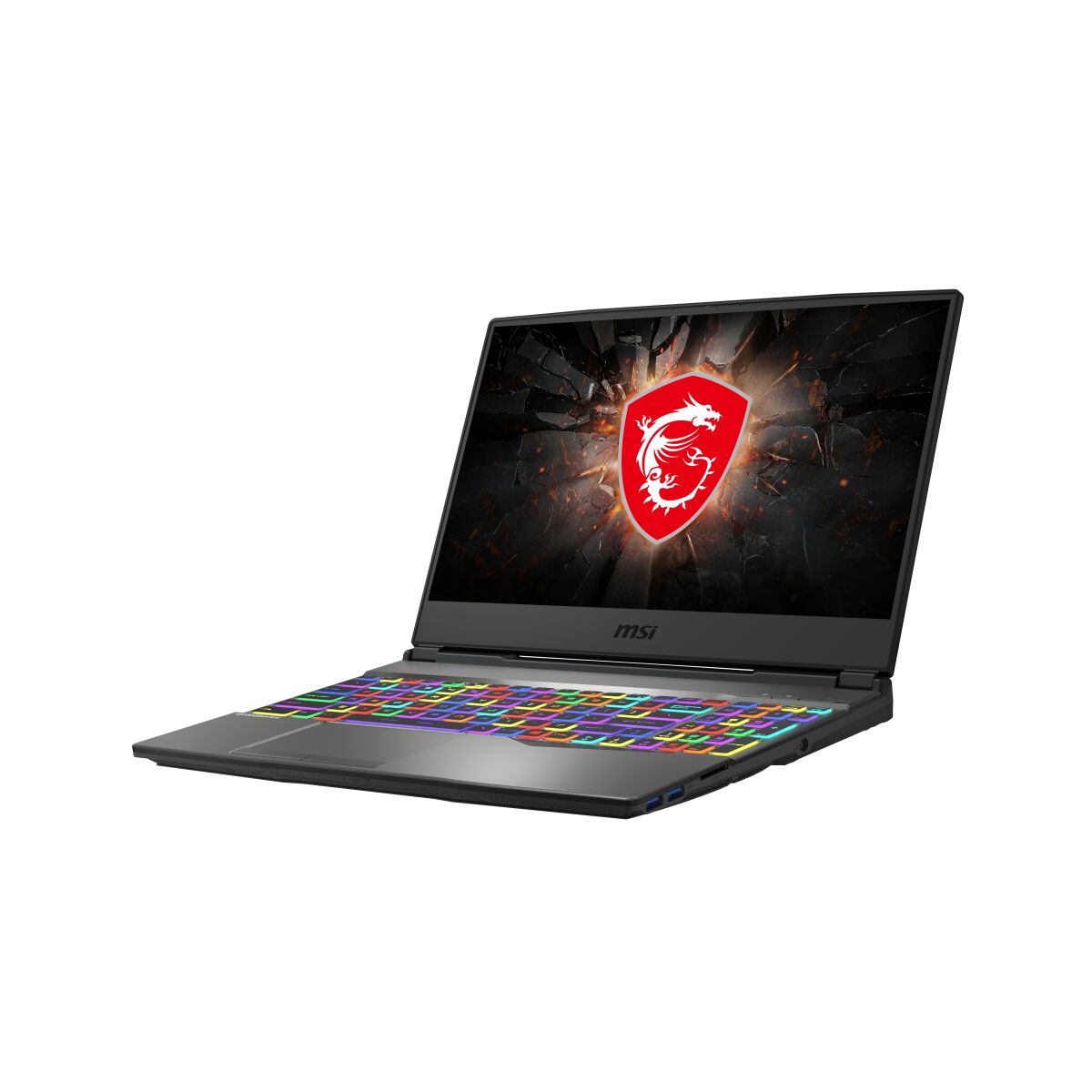
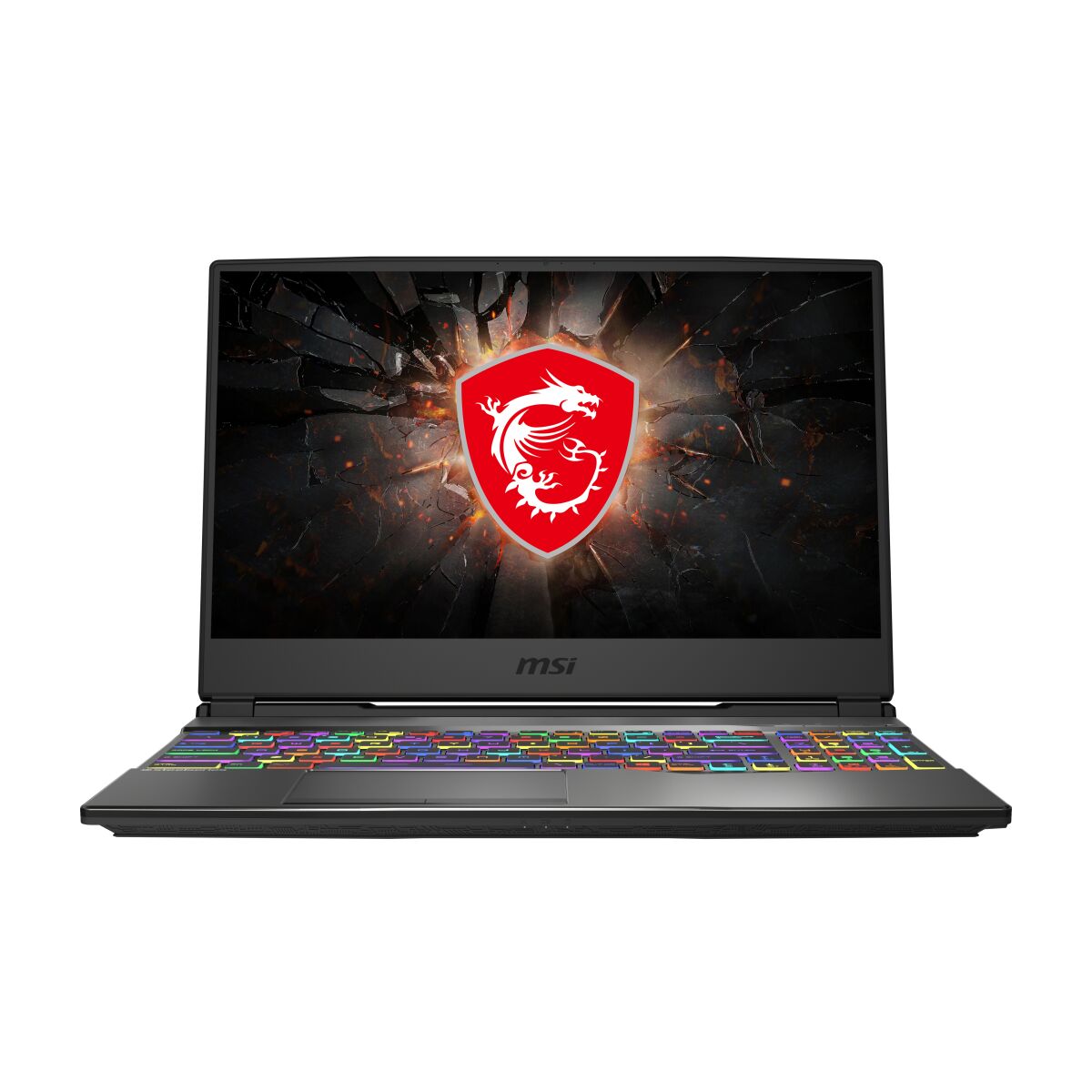
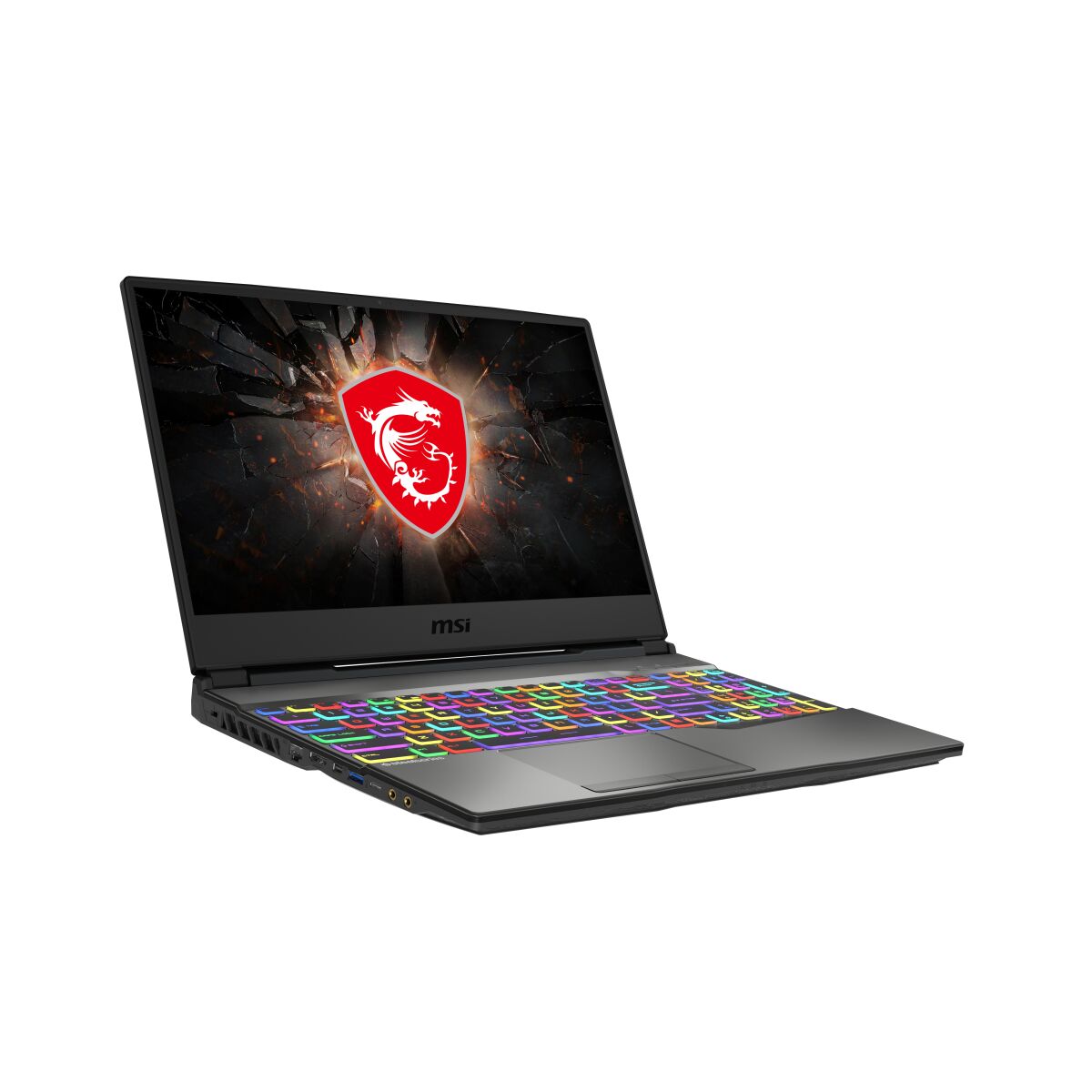

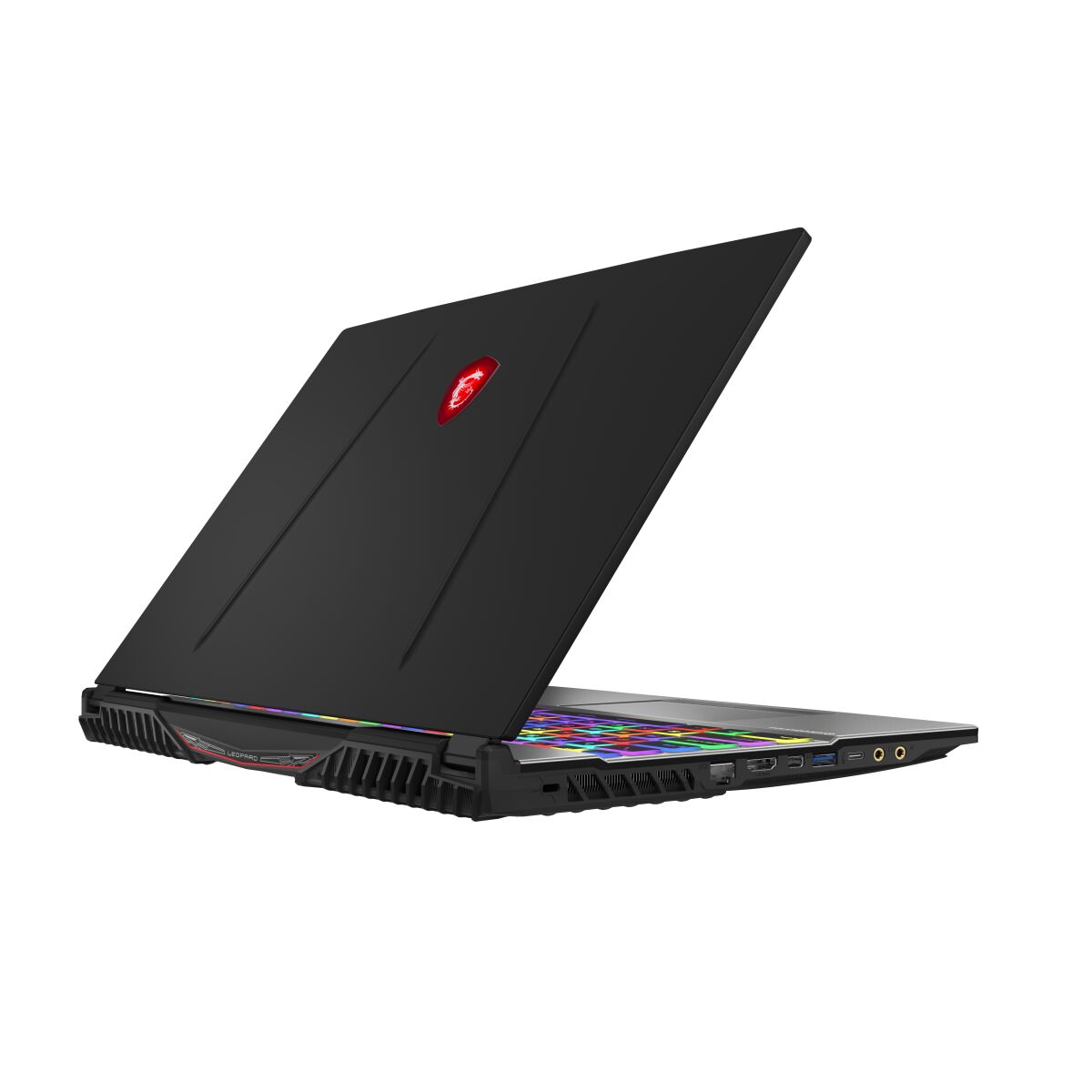
The MSI GP65 10SDK-824 Leopard gaming laptop features DDR4-SDRAM memory upgrades through 2x SO-DIMM slots. The compatible upgrade specifications support a maximum RAM capacity of 64 GB, operating at 2666 MHz frequency. SO-DIMM form factor modules are required for memory expansion on the GP series model. Current memory slots accommodate compatible DDR4 upgrades within the established maximum specifications for enhanced system performance.
Memory Upgrade Specifications
| Specification | Value |
|---|---|
| Memory slots | 2x SO-DIMM |
| Form factor | SO-DIMM |
| Memory type | DDR4-SDRAM |
| Frequency | 2666 MHz |
| Maximum RAM | 64 GB |
| Voltage | 1.2V |
| Number of pins | 260-pin |
| Interface | PC4 |
| PC Speed Rating | PC4-2666 (PC4-21328) |
| Bandwidth | 21.3 GB/s |
| Laptop Release date | 11 June 2021 |
Additional Notes
- The 2666 MHz frequency represents the officially supported speed, though the Intel 10th generation chipset in this MSI GP65 10SDK-824 Leopard typically allows DDR4-2933 modules to function at their rated speed when the processor supports it.
- Dual-channel architecture becomes mandatory for gaming workloads, as single-stick configurations create bandwidth bottlenecks that reduce integrated graphics performance by approximately 30 percent and impact GPU frame pacing.
- The 64 GB ceiling requires two 32 GB modules, which were uncommon at the system's release and may exhibit compatibility issues with older BIOS versions that predate validation for high-density configurations.
- SO-DIMM modules exceeding 35mm in height will physically conflict with the cooling assembly in many gaming chassis, necessitating verification of bare PCB or low-profile heat spreader designs before purchase.
- Mixing modules with different ranks (single-rank and dual-rank) forces the memory controller to operate all sticks at the lower-performing configuration, negating potential bandwidth advantages of dual-rank DIMMs.
- Consumer DDR4 operates at 1.2V standard, but modules rated for 1.35V XMP profiles may default to JEDEC speeds without manual BIOS adjustment, which voids warranty coverage under most manufacturer policies.
- The absence of ECC support in consumer SO-DIMM slots means error-correcting modules will function only in non-ECC mode, offering no reliability benefits while often carrying price premiums.
- CAS latency variations between CL17, CL19, and CL22 modules at identical frequencies create measurable differences in memory-sensitive applications, though gaming performance typically shows less than 3 percent variation.
- Accessing the memory compartment requires bottom panel removal, and certain regional models use security screws or warranty-void stickers that complicate user upgrades compared to dedicated RAM access doors.
- Thermal throttling occurs when modules exceed 85 degrees Celsius during sustained workloads, making ventilation-obstructing configurations or passive cooling designs counterproductive in closed laptop environments.