MSI Gaming GP66 10UH-037XIT Leopard RAM upgrade specifications
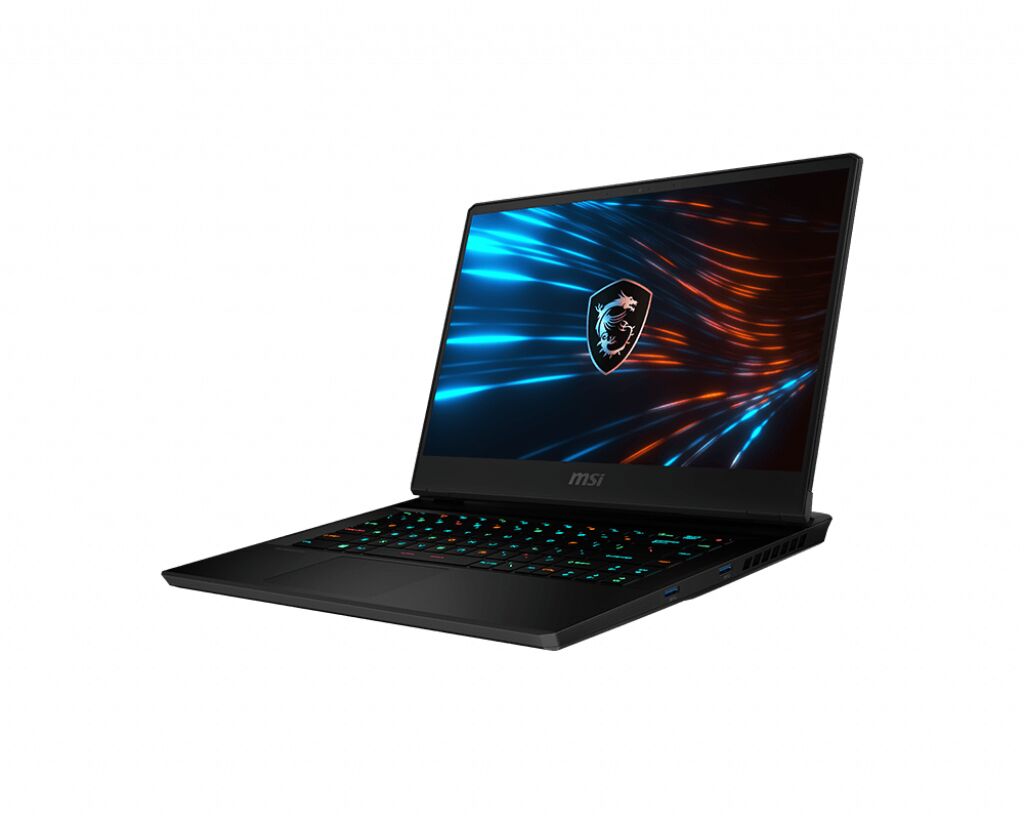
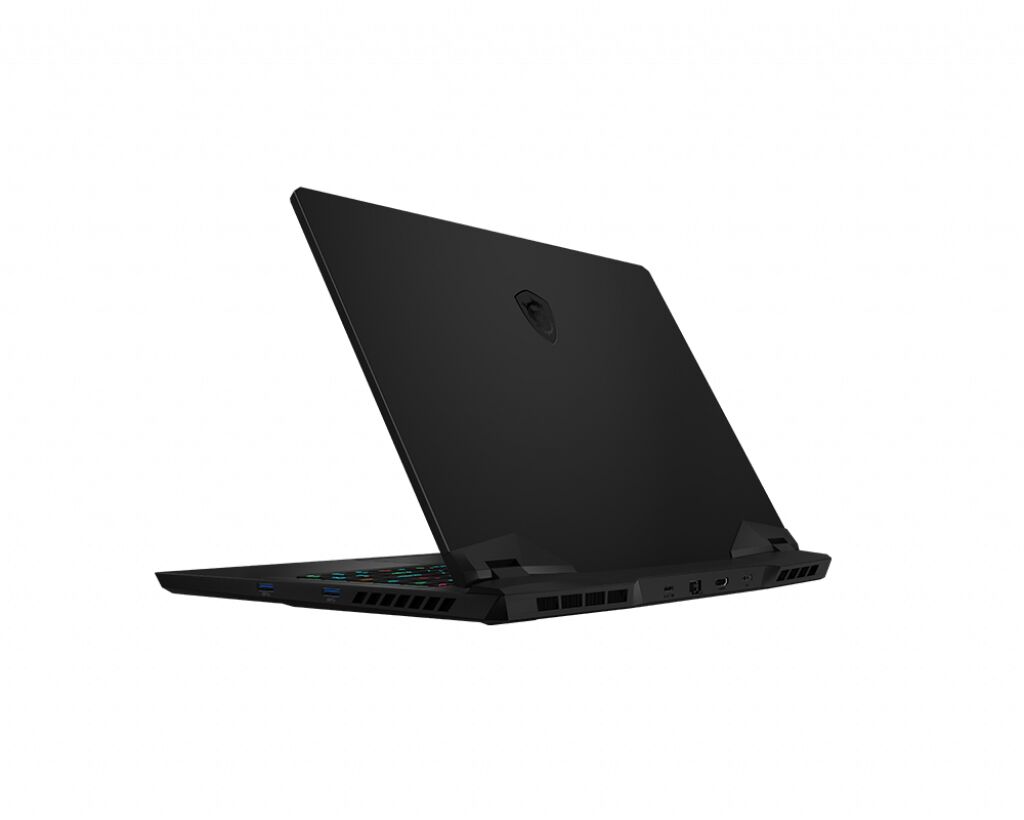
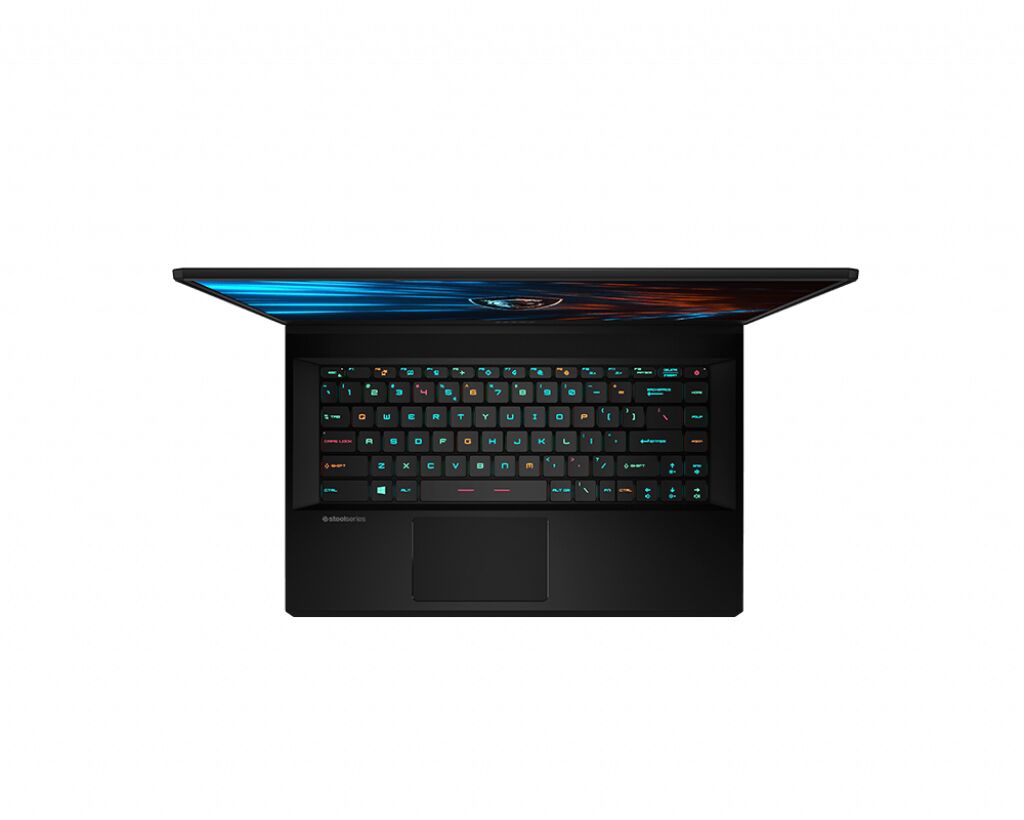
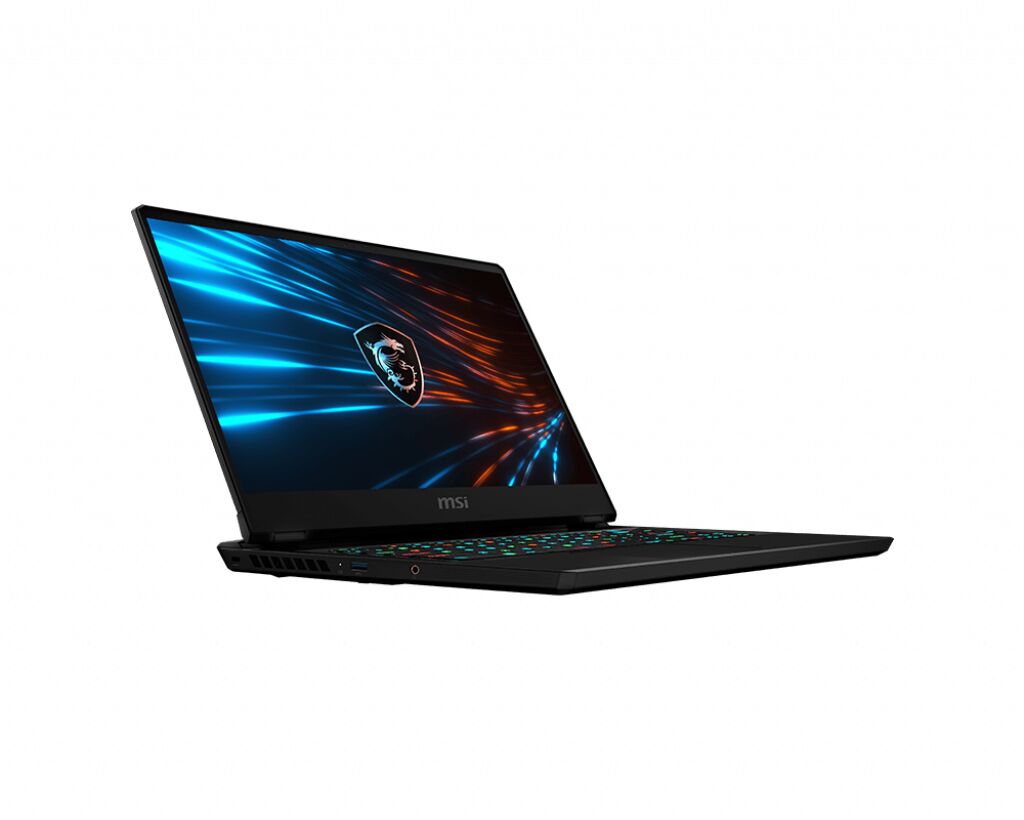
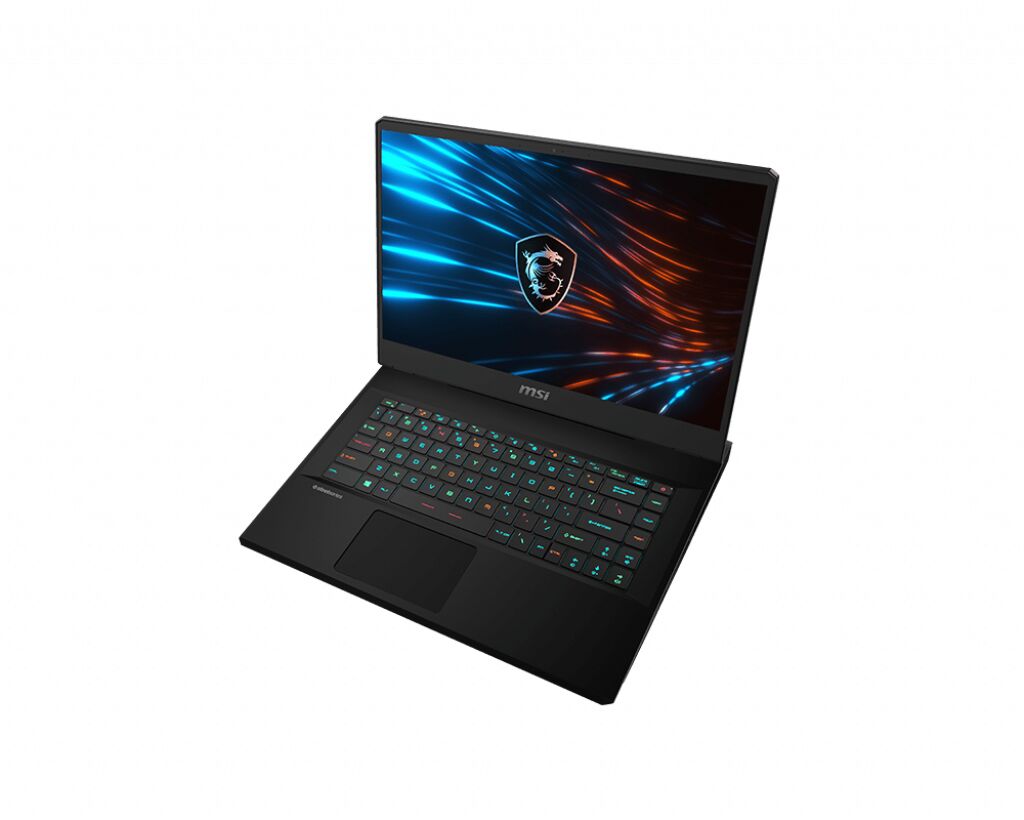
MSI GP66 10UH-037XIT Leopard gaming laptop supports DDR4-SDRAM memory upgrades across 2x SO-DIMM slots. Maximum RAM capacity reaches 64 GB total. Compatible memory operates at 3200 MHz frequency with SO-DIMM form factor specifications. Upgrade slots accommodate standard DDR4 modules for enhanced system performance and multitasking capabilities on this MSI Gaming GP series model.
Memory Upgrade Specifications
| Specification | Value |
|---|---|
| Memory slots | 2x SO-DIMM |
| Form factor | SO-DIMM |
| Memory type | DDR4-SDRAM |
| Frequency | 3200 MHz |
| Maximum RAM | 64 GB |
| Voltage | 1.2V |
| Number of pins | 260-pin |
| Interface | PC4 |
| PC Speed Rating | PC4-3200 (PC4-25600) |
| Bandwidth | 25.6 GB/s |
| Laptop Release date | 18 March 2021 |
Additional Notes
- The MSI GP66 10UH-037XIT Leopard supports dual-channel memory architecture through its 2 slots, enabling bandwidth doubling compared to single-module configurations when populated with matched pairs.
- Operating at 3200 MHz represents DDR4's high-performance tier, delivering 25.6 GB/s theoretical bandwidth per channel or 51.2 GB/s combined throughput when both slots contain identical modules.
- The 64 GB ceiling requires 32 GB modules in each slot, which necessitates dual-rank or quad-die configurations that may introduce marginally higher latency versus single-rank alternatives.
- SO-DIMM form factor restricts aftermarket selection to notebook-specific modules, excluding standard desktop DIMM variants despite identical electrical specifications.
- Voltage compatibility defaults to 1.2V standard DDR4 operation, while non-JEDEC XMP profiles designed for desktop platforms typically fail validation in mobile implementations.
- Mixing modules with different speeds forces the memory controller to downclock all installed RAM to the lowest common frequency, negating any performance advantage from faster components.
- Access to SO-DIMM slots through bottom panel removal maintains user-serviceable status without voiding manufacturer warranty, unlike soldered configurations common in ultraportable categories.
- Capacity expansion from factory configuration to maximum threshold does not require BIOS updates on 10th generation Intel platforms, as memory training occurs dynamically during POST.
- Asymmetric population with unequal capacities per slot still enables dual-channel mode through flex architecture, though only up to twice the smaller module's capacity operates in dual-channel.
- CAS latency specifications beyond frequency determine real-world responsiveness, where CL22 modules at 3200 MHz deliver equivalent absolute latency to CL16 at 2400 MHz despite higher clock rates.