MSI Gaming GP66 10UH-069XES Leopard RAM upgrade specifications
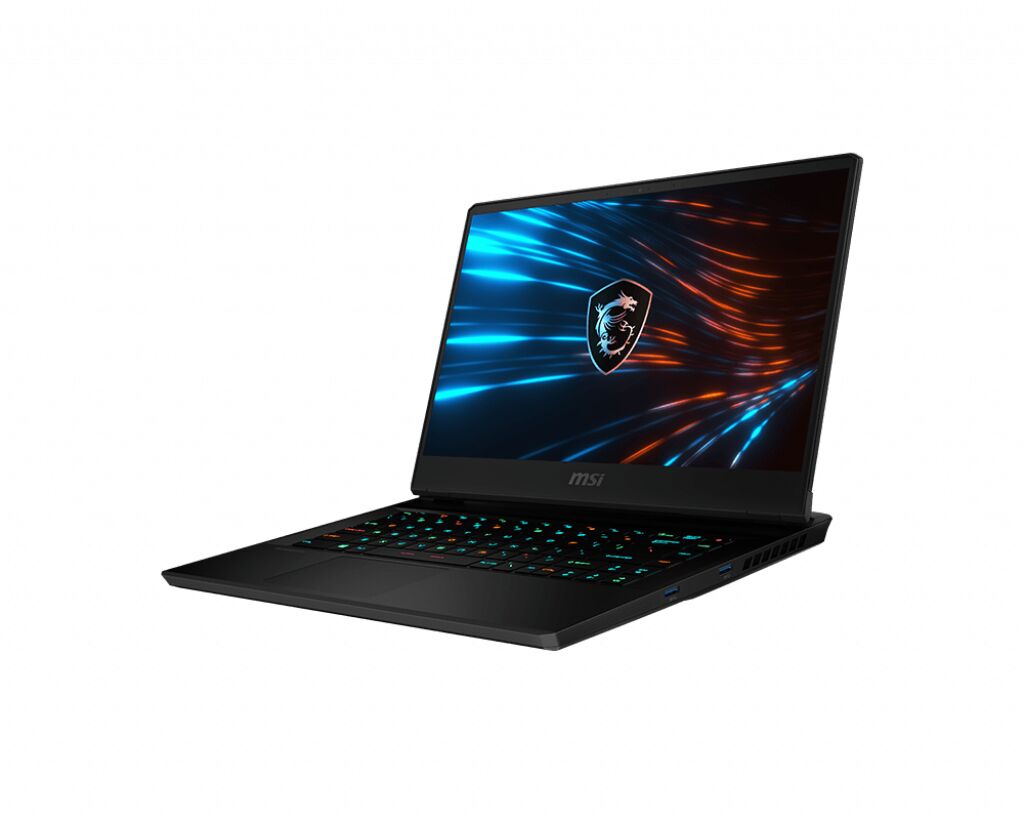
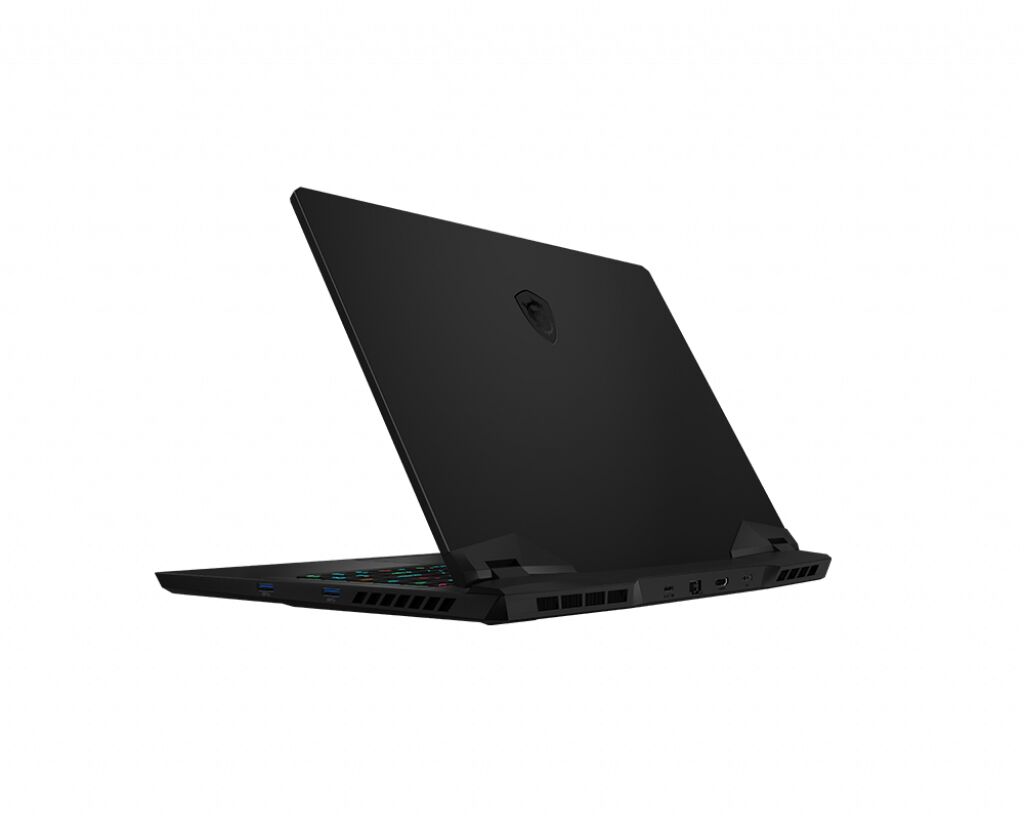
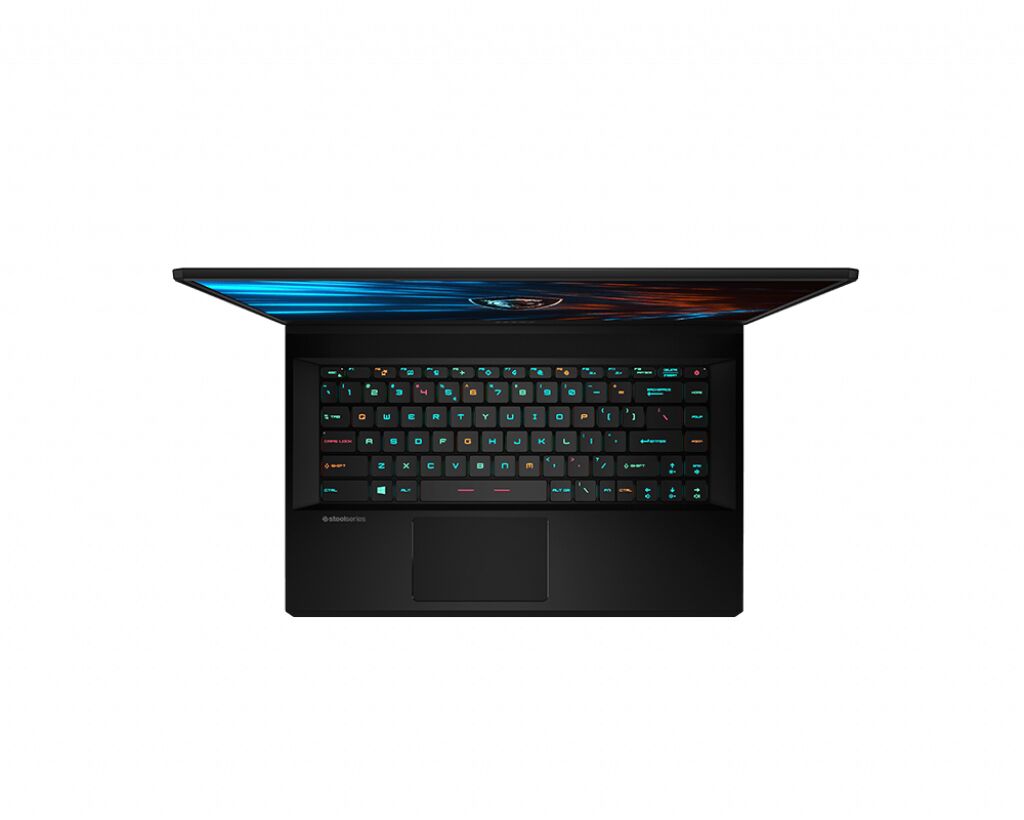
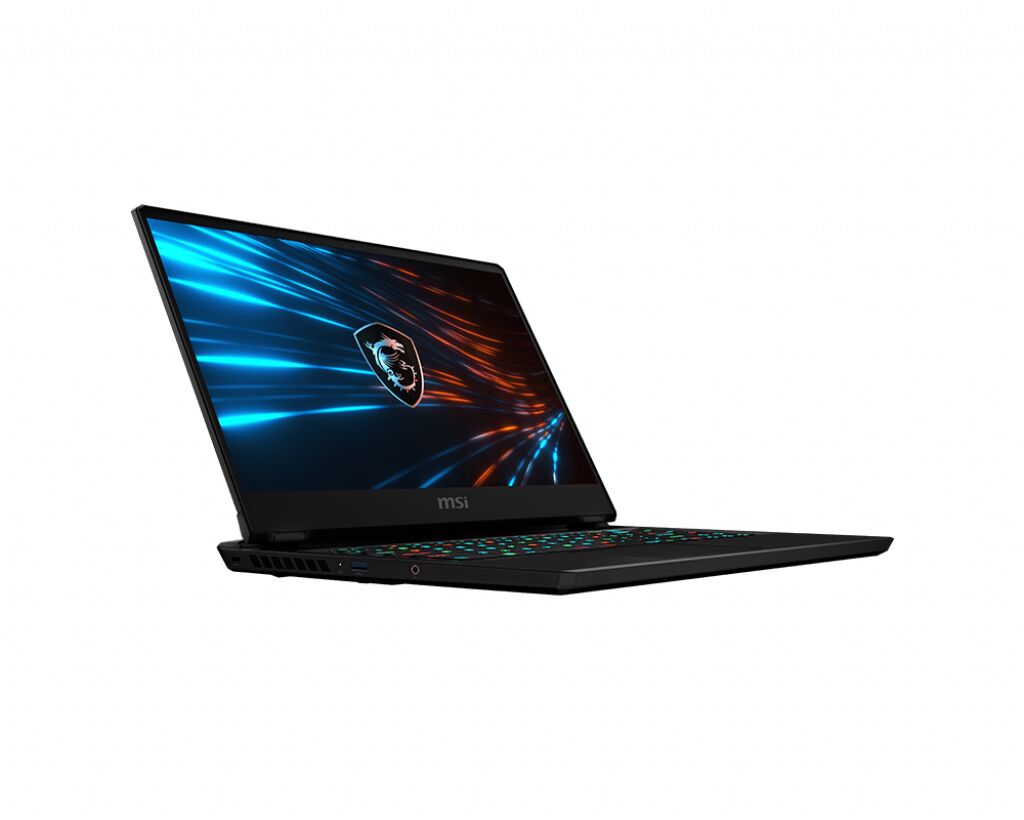
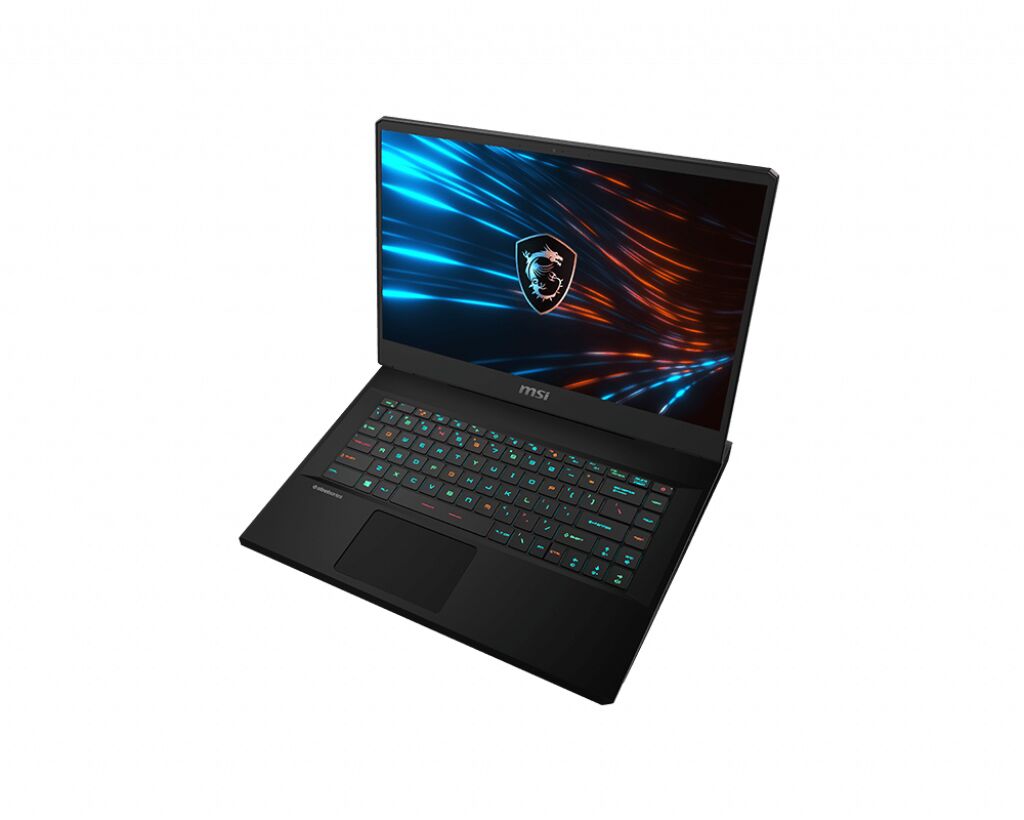
MSI GP66 10UH-069XES Leopard gaming laptop supports DDR4-SDRAM memory upgrades through two SO-DIMM slots. Maximum RAM capacity reaches 64 GB total. Compatible memory modules operate at 3200 MHz frequency. Specifications indicate memory upgrade slots accept standard SO-DIMM form factor components. MSI Gaming GP series supports DDR4 memory configuration with dual-slot architecture for RAM expansion and optimization.
Memory Upgrade Specifications
| Specification | Value |
|---|---|
| Memory slots | 2x SO-DIMM |
| Form factor | SO-DIMM |
| Memory type | DDR4-SDRAM |
| Frequency | 3200 MHz |
| Maximum RAM | 64 GB |
| Voltage | 1.2V |
| Number of pins | 260-pin |
| Interface | PC4 |
| PC Speed Rating | PC4-3200 (PC4-25600) |
| Bandwidth | 25.6 GB/s |
| Laptop Release date | 29 January 2021 |
Additional Notes
- The MSI GP66 10UH-069XES Leopard contains 2 SO-DIMM slots, meaning both memory modules must be replaced simultaneously to achieve the 64 GB maximum capacity, as slot population cannot be mixed with single-module upgrades beyond the factory configuration.
- DDR4-3200 modules operate at a fixed frequency ceiling; upgrading to faster DDR4 variants (3600 MHz or higher) will downclock to 3200 MHz, eliminating any performance gains from premium memory while increasing replacement cost unnecessarily.
- SO-DIMM form factor requires low-profile modules; standard desktop DDR4 DIMM sticks are physically incompatible and cannot fit within the laptop's memory compartment, even if forced insertion were attempted.
- The 64 GB maximum indicates the memory controller supports dual-rank configuration; single-sided modules may function but leave upgrade headroom unused, whereas matched dual-rank SO-DIMMs achieve full capacity scaling.
- Bandwidth saturation occurs at 3200 MHz on DDR4 architecture; integrated graphics and older discrete GPUs in this generation show negligible performance differences between 3200 MHz and higher frequencies, making frequency matching more relevant than overprovisioning.
- RAM upgrades on this model typically do not void hardware warranty when performed outside the sealed thermal modules; the upgrade path remains warranty-safe provided the original modules are retained and thermal paste on components near the memory compartment is not disturbed.