MSI Gaming GP66 10UH-263 Leopard RAM upgrade specifications

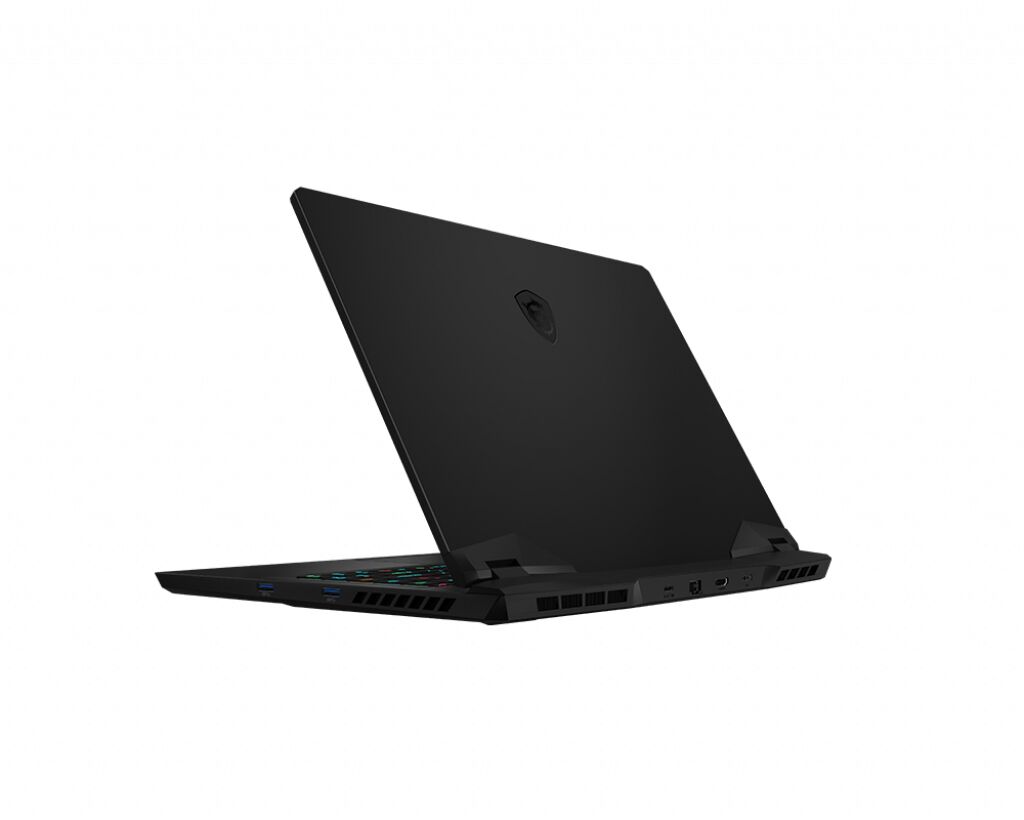
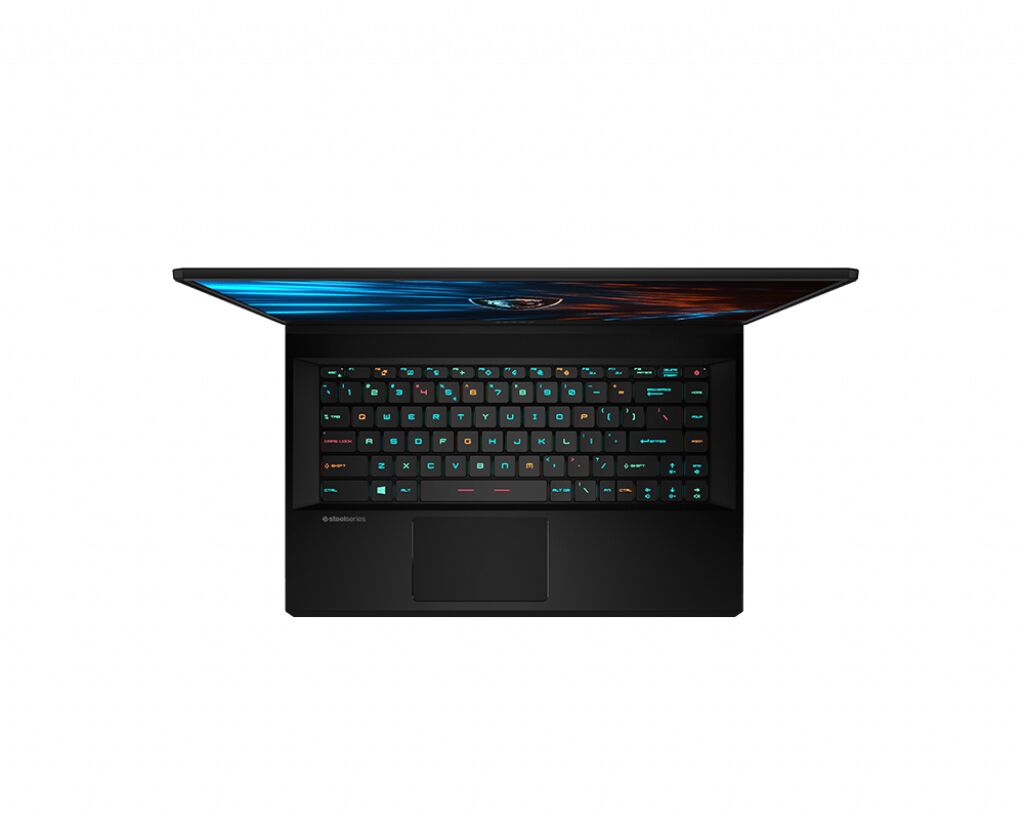


The MSI GP66 10UH-263 Leopard gaming laptop features two SO-DIMM memory slots supporting DDR4-SDRAM upgrades at 2933 MHz frequency. Maximum RAM capacity reaches 64 GB total. Upgrade specifications indicate compatible memory modules conform to SO-DIMM form factor standards. Current memory configuration and upgrade options depend on factory-installed capacity. RAM upgrade procedures require accessing internal components and removing existing modules before installing compatible DDR4 memory. Specifications are compatible with standard laptop memory protocols and installation guidelines.
Memory Upgrade Specifications
| Specification | Value |
|---|---|
| Memory slots | 2x SO-DIMM |
| Form factor | SO-DIMM |
| Memory type | DDR4-SDRAM |
| Frequency | 2933 MHz |
| Maximum RAM | 64 GB |
| Voltage | 1.2V |
| Number of pins | 260-pin |
| Interface | PC4 |
| PC Speed Rating | PC4-2933 (PC4-23464) |
| Bandwidth | 23.5 GB/s |
| Laptop Release date | 11 March 2021 |
Additional Notes
- The dual-slot configuration indicates that total system capacity is achieved through a 32 plus 32 gigabyte arrangement to utilize the maximum addressable memory space.
- Operating the MSI GP66 10UH-263 Leopard with two identical modules enables dual-channel mode which effectively doubles the available memory bandwidth compared to single-stick configurations.
- Installing modules with frequencies higher than 2933 MHz results in automatic downclocking to match the predetermined bus speed of the integrated memory controller.
- The SO-DIMM form factor necessitates 260-pin modules and excludes the use of standard desktop DIMM components or soldered LPDDR alternatives.
- Latency performance depends on the CAS timing of the secondary market modules as the system firmware may lack manual timing adjustment features common in desktop environments.
- Accessing the internal slots for upgrades involves removing the entire bottom chassis panel which requires careful management of plastic retention clips to avoid structural damage.
- Thermal constraints within the compact laptop housing suggest that high-performance modules should lack thick heat spreaders to ensure proper clearance under the underside cover.