MSI Gaming GP66HX 12UGS-066 Vector RAM upgrade specifications
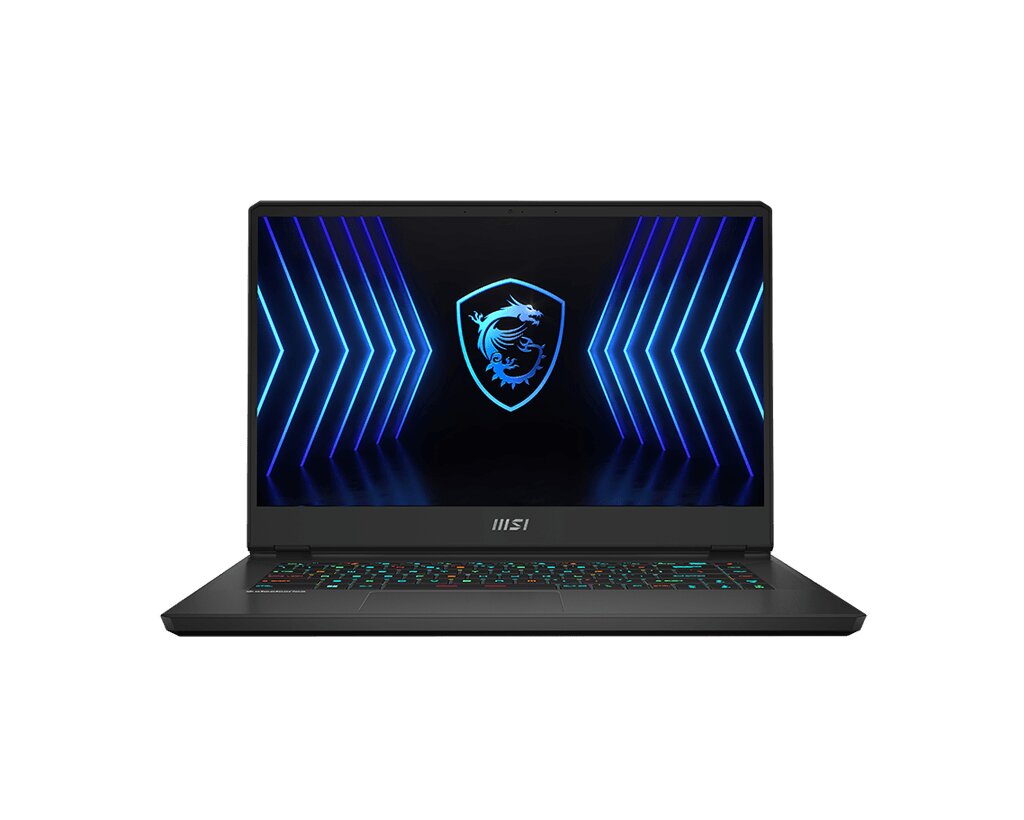
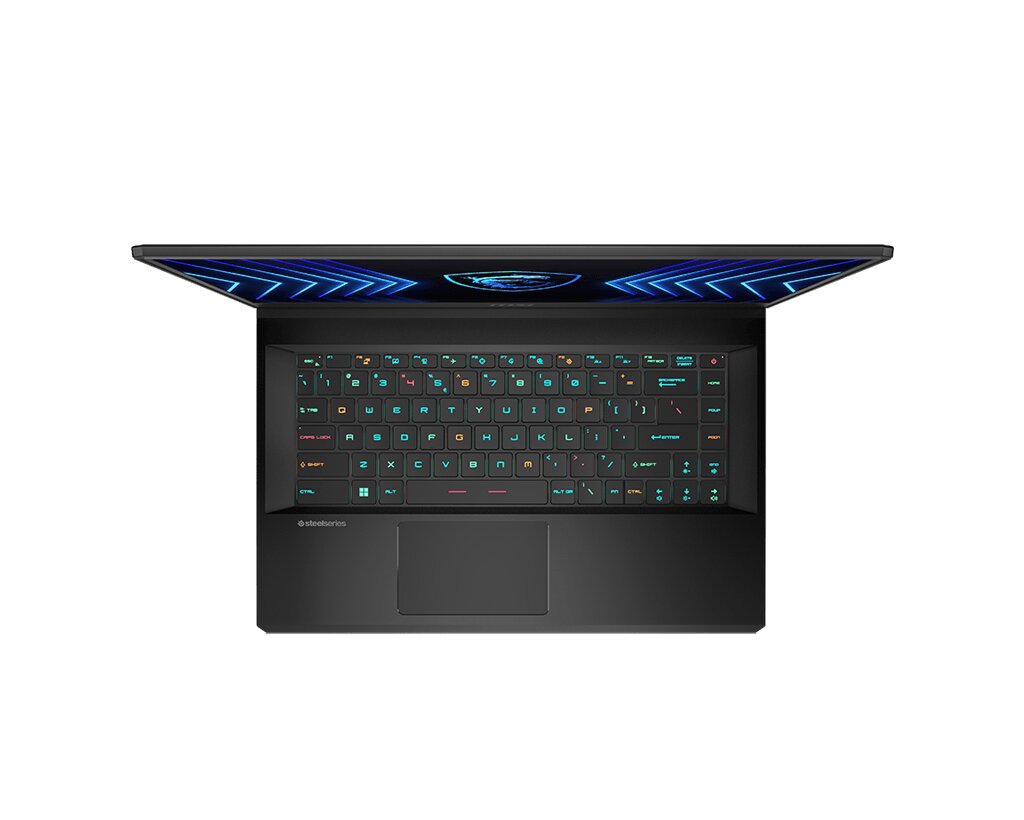
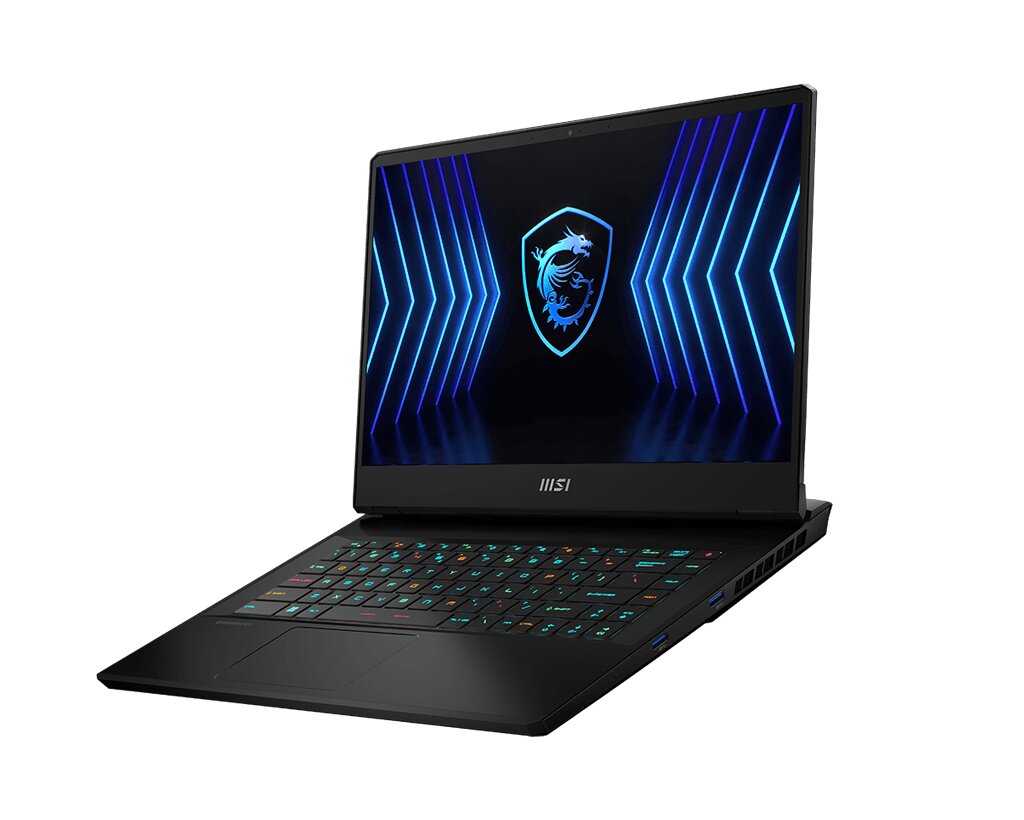
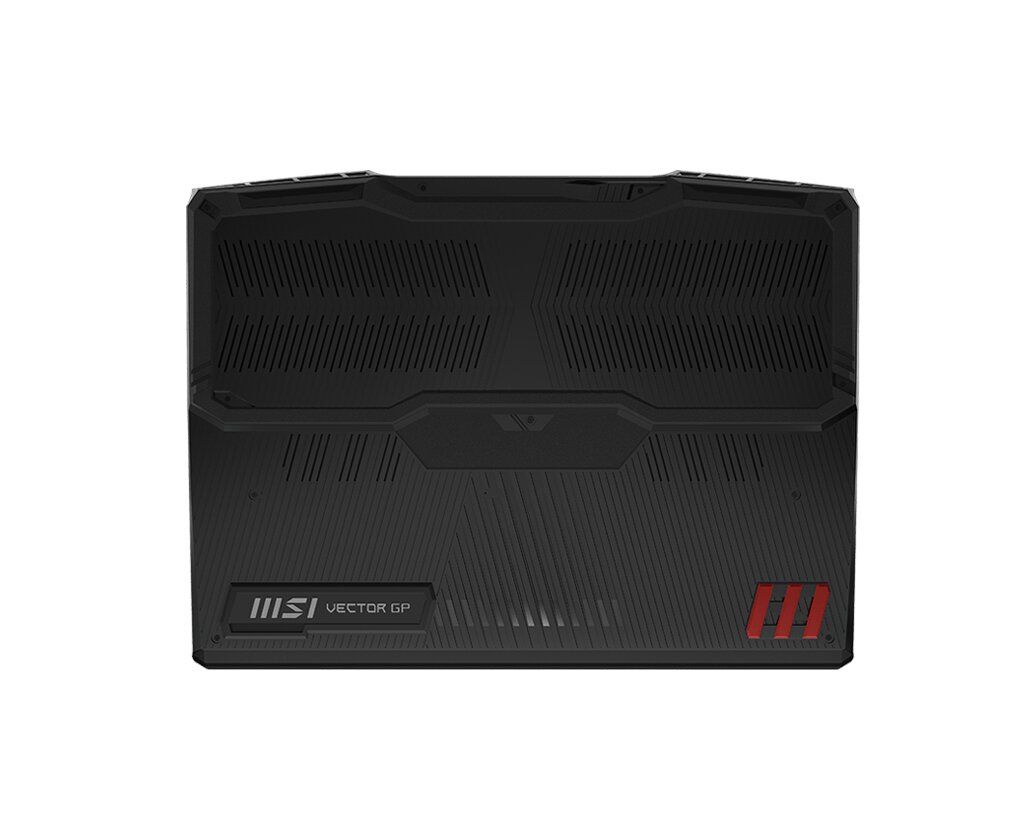
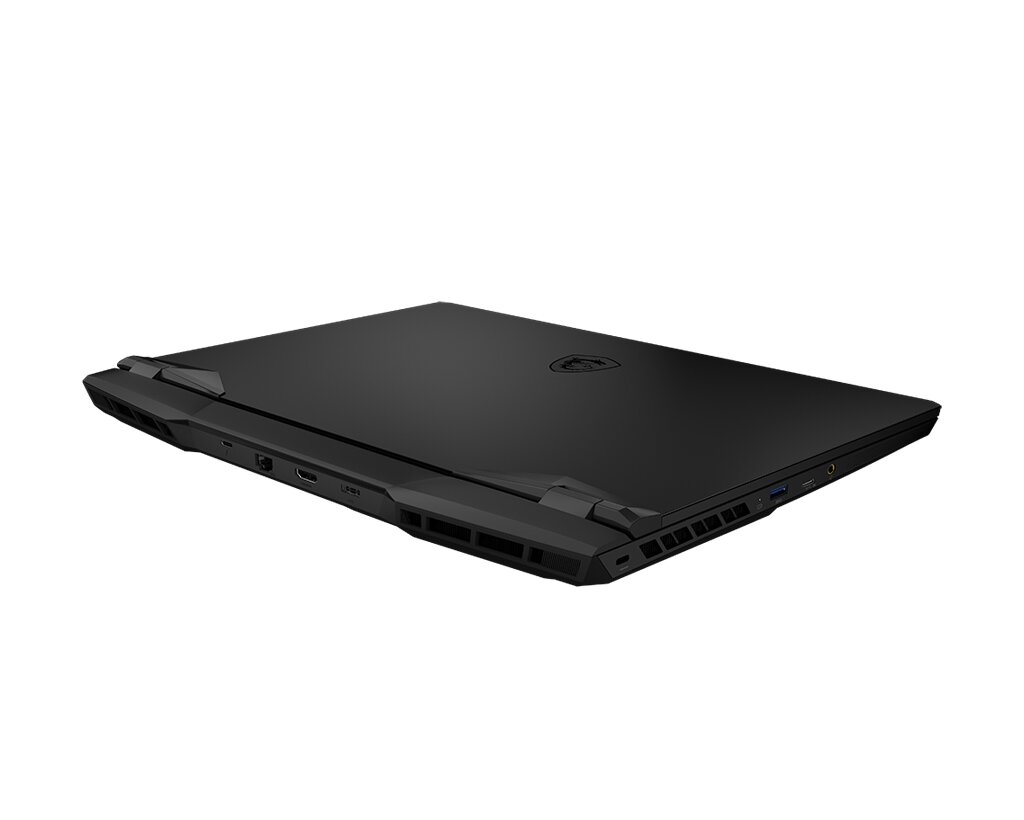
MSI GP66HX 12UGS-066 Vector gaming laptop supports DDR4-SDRAM memory upgrades with maximum capacity of 64 GB across 2x SO-DIMM slots. Compatible upgrade specifications include SO-DIMM form factor modules operating at 3200 MHz frequency. The gaming series laptop accommodates dual-slot memory configuration for expanded RAM capacity and enhanced system performance.
Memory Upgrade Specifications
| Specification | Value |
|---|---|
| Memory slots | 2x SO-DIMM |
| Form factor | SO-DIMM |
| Memory type | DDR4-SDRAM |
| Frequency | 3200 MHz |
| Maximum RAM | 64 GB |
| Voltage | 1.2V |
| Number of pins | 260-pin |
| Interface | PC4 |
| PC Speed Rating | PC4-3200 (PC4-25600) |
| Bandwidth | 25.6 GB/s |
| Laptop Release date | 01 August 2022 |
Additional Notes
- The MSI GP66HX 12UGS-066 Vector operates with DDR4 technology, meaning DDR5 modules are electrically and physically incompatible regardless of adapter attempts.
- Dual-channel memory architecture requires matched pairs for optimal bandwidth utilization, as asymmetric configurations force single-channel operation and halve theoretical throughput.
- The 64 GB ceiling translates to a practical limit of 32 GB per slot, restricting upgrade paths to either 2x16 GB or 2x32 GB configurations.
- SO-DIMM form factor prohibits standard desktop DIMM installation due to incompatible pin counts and physical dimensions.
- Native 3200 MHz operation assumes JEDEC standard timing, though actual performance depends on motherboard chipset limitations and BIOS support for XMP profiles.
- Populated slots leave no expansion room, requiring complete module replacement rather than incremental capacity additions.
- CAS latency values below CL22 at 3200 MHz may introduce stability issues unless explicitly validated by the motherboard's qualified vendor list.
- Voltage specifications must remain within DDR4 standard 1.2V range, as gaming laptops typically lack manual voltage adjustment options found in desktop platforms.
- Heat dissipation depends on internal airflow design, making modules with integrated heat spreaders potentially problematic in restricted chassis clearances.
- ECC memory compatibility remains unlikely given the gaming designation, as consumer chipsets traditionally disable error-correction functionality.
- Mixed-density configurations across slots can trigger compatibility warnings or frequency downclocking in certain BIOS implementations.
- Third-party RAM installation typically preserves base hardware warranty coverage, though verification of specific regional warranty terms remains advisable before modification.