MSI Gaming GP68HX 13VH-087NEU RAM upgrade specifications

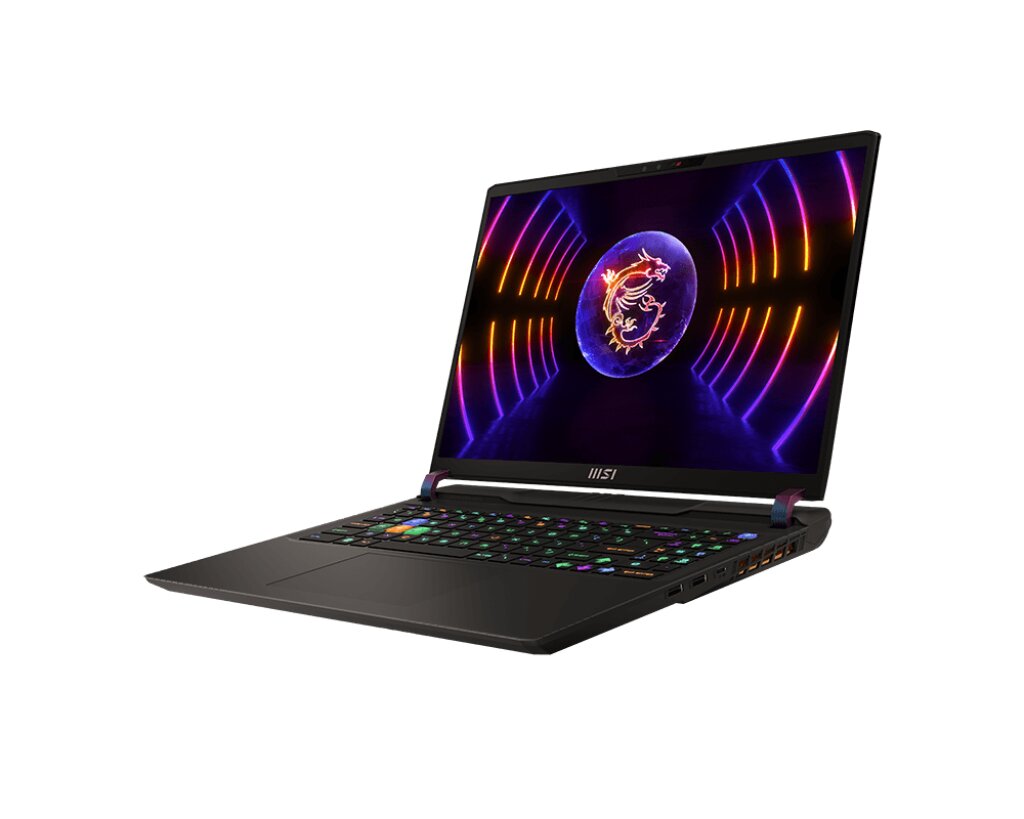
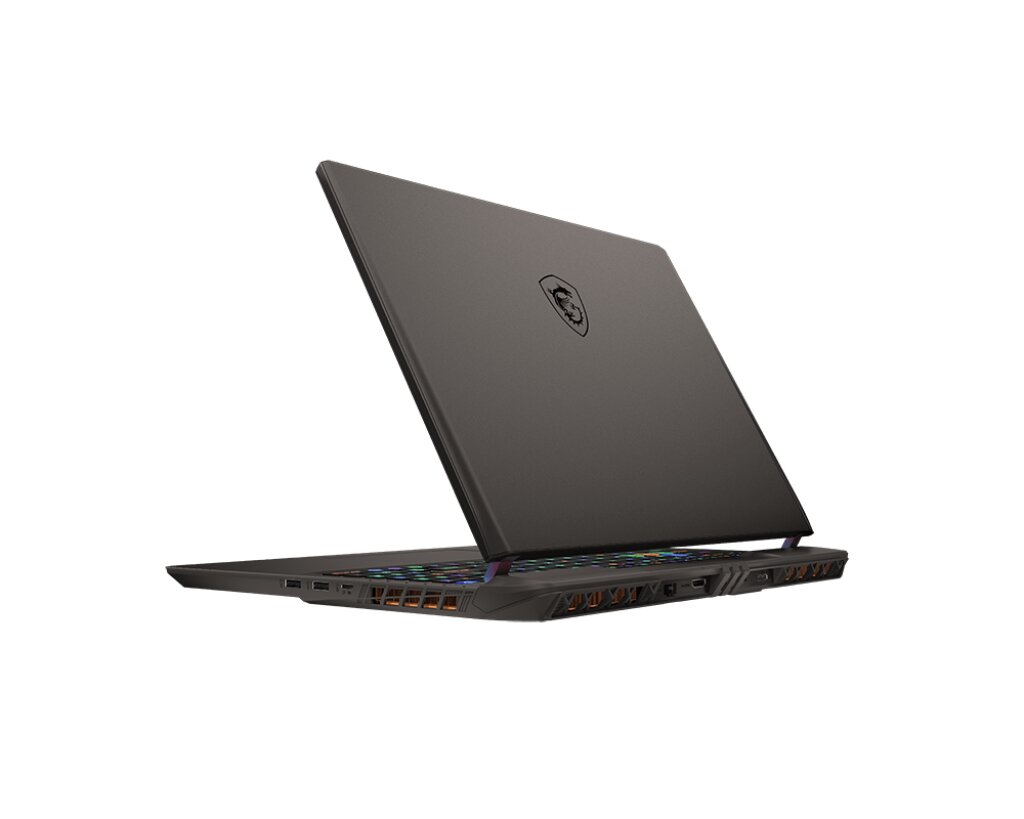
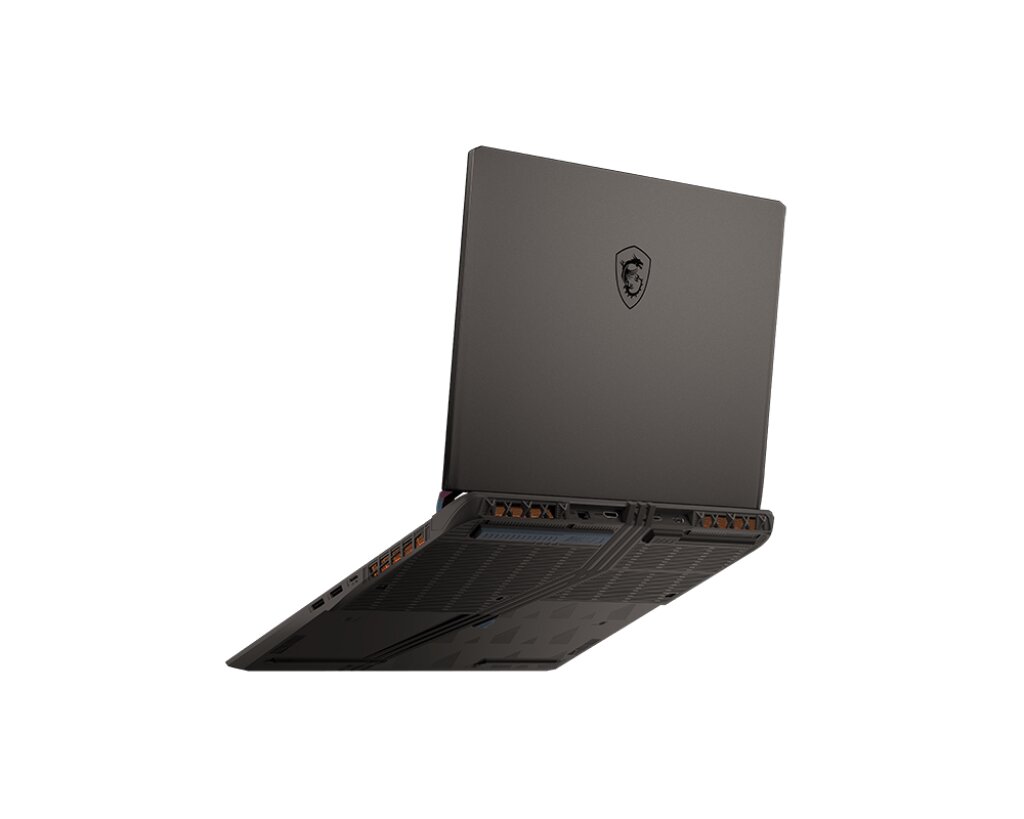
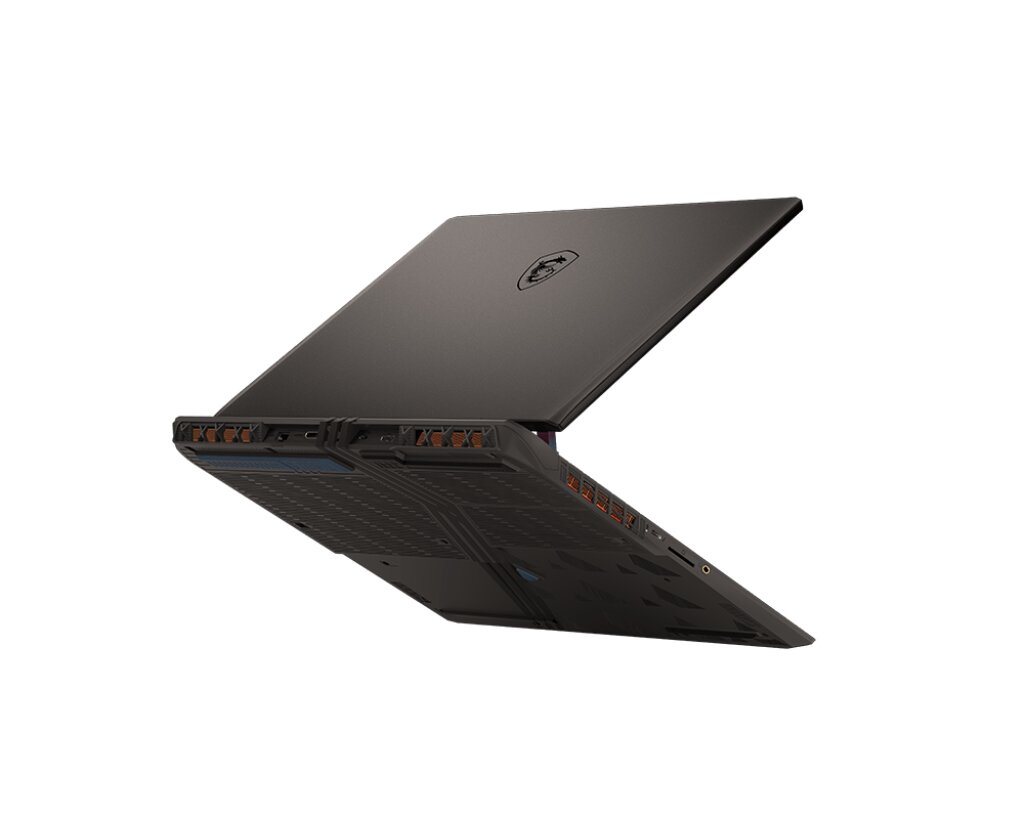
The MSI GP68HX 13VH-087NEU gaming laptop supports DDR5-SDRAM memory upgrades via two SO-DIMM slots. The maximum RAM capacity reaches 64 GB, with compatible modules operating at 5600 MHz frequency. Current memory specifications and upgrade options are available for this GP series model. Users requiring enhanced multitasking performance or demanding applications can expand the laptop's memory configuration to the maximum supported capacity through compatible DDR5 SO-DIMM modules.
Memory Upgrade Specifications
| Specification | Value |
|---|---|
| Memory slots | 2x SO-DIMM |
| Form factor | SO-DIMM |
| Memory type | DDR5-SDRAM |
| Frequency | 5600 MHz |
| Maximum RAM | 64 GB |
| Voltage | 1.1V |
| Number of pins | 262-pin |
| Interface | PC5 |
| PC Speed Rating | PC5-5600 (PC5-44800) |
| Bandwidth | 44.8 GB/s |
| Laptop Release date | 07 July 2023 |
Additional Notes
- The DDR5-5600 specification ensures backward compatibility with lower-frequency modules, though such modules will operate at their native speed rather than benefiting from the platform's full bandwidth capacity.
- The 64 GB ceiling requires 32 GB modules in both slots, eliminating mixed-capacity configurations for users targeting maximum memory.
- DDR5 SO-DIMM modules operate exclusively at 1.1V, preventing the use of legacy DDR4 components and requiring voltage-specific replacement parts.
- The dual-channel SO-DIMM architecture delivers optimal bandwidth only when both slots contain identical specifications, including capacity, frequency, and latency timings.
- The MSI GP68HX 13VH-087NEU uses non-ECC unbuffered memory, making registered or error-correcting modules incompatible with the platform's memory controller.
- DDR5's on-die ECC operates transparently at the DRAM level but does not provide system-level error reporting, distinguishing it from server-grade ECC implementations.
- Intel 13th generation mobile platforms supporting DDR5-5600 may downclock to JEDEC standards if modules lack XMP 3.0 profiles or if thermal conditions trigger frequency throttling.
- SO-DIMM installation requires aligning the notch position specific to DDR5, located differently than DDR4 to prevent physical insertion errors.
- Single-slot population halves memory bandwidth compared to dual-channel operation, directly impacting integrated graphics performance and memory-intensive workloads.
- The 5600 MHz data rate translates to a theoretical bandwidth of 44.8 GB/s per channel, totaling 89.6 GB/s in dual-channel configuration under ideal conditions.
- Warranty preservation typically requires avoiding modules exceeding the platform's rated frequency unless the manufacturer explicitly supports overclocked memory configurations.
- Third-party modules must match the 262-pin SO-DIMM standard, as incompatible pin counts will mechanically prevent installation regardless of electrical compatibility.