MSI Gaming GP72MVR 7RFX-642CZ Leopard Pro RAM upgrade specifications
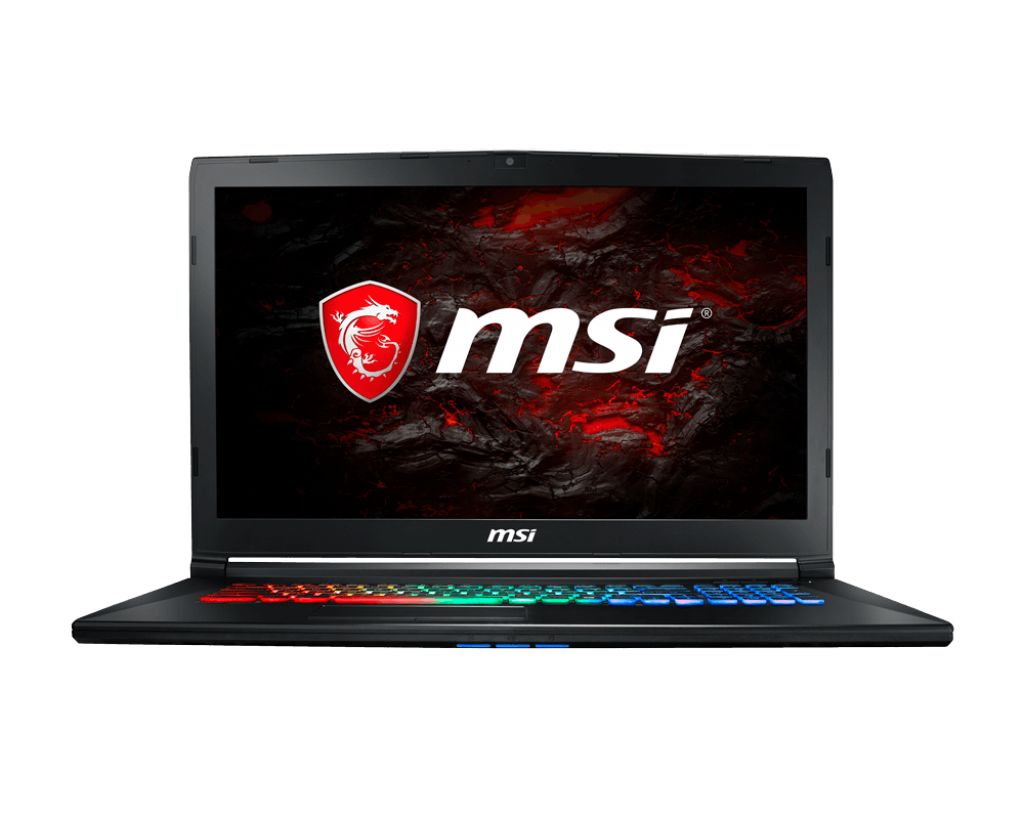
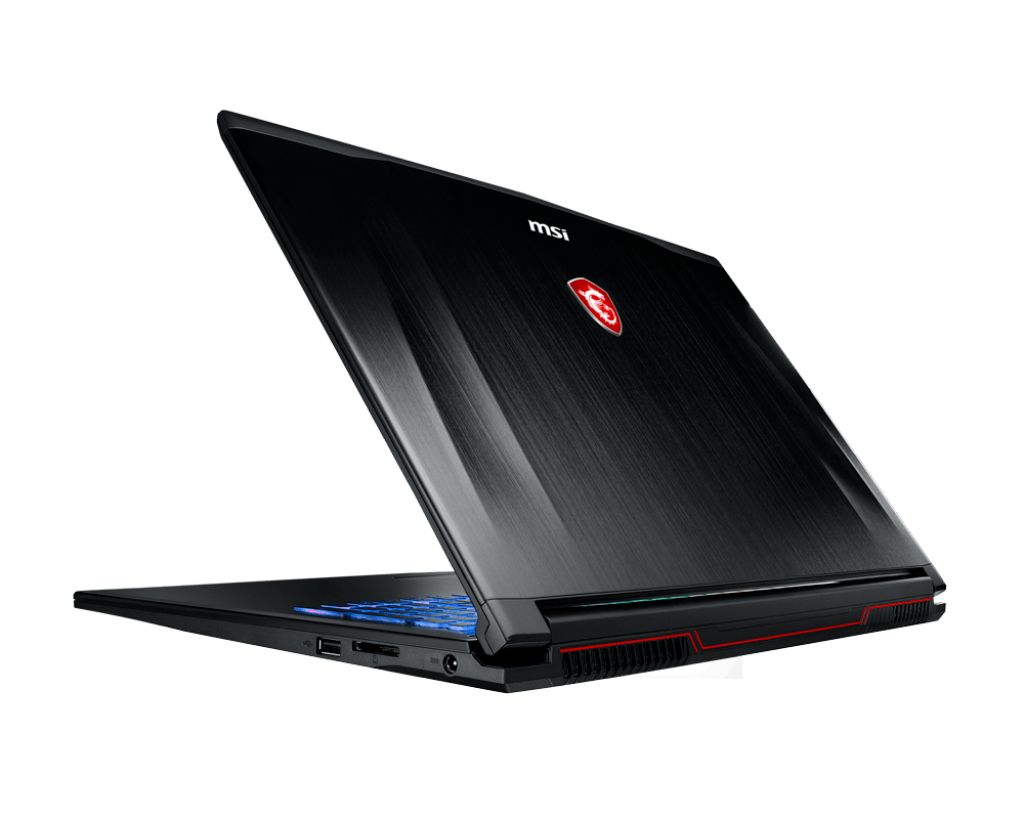
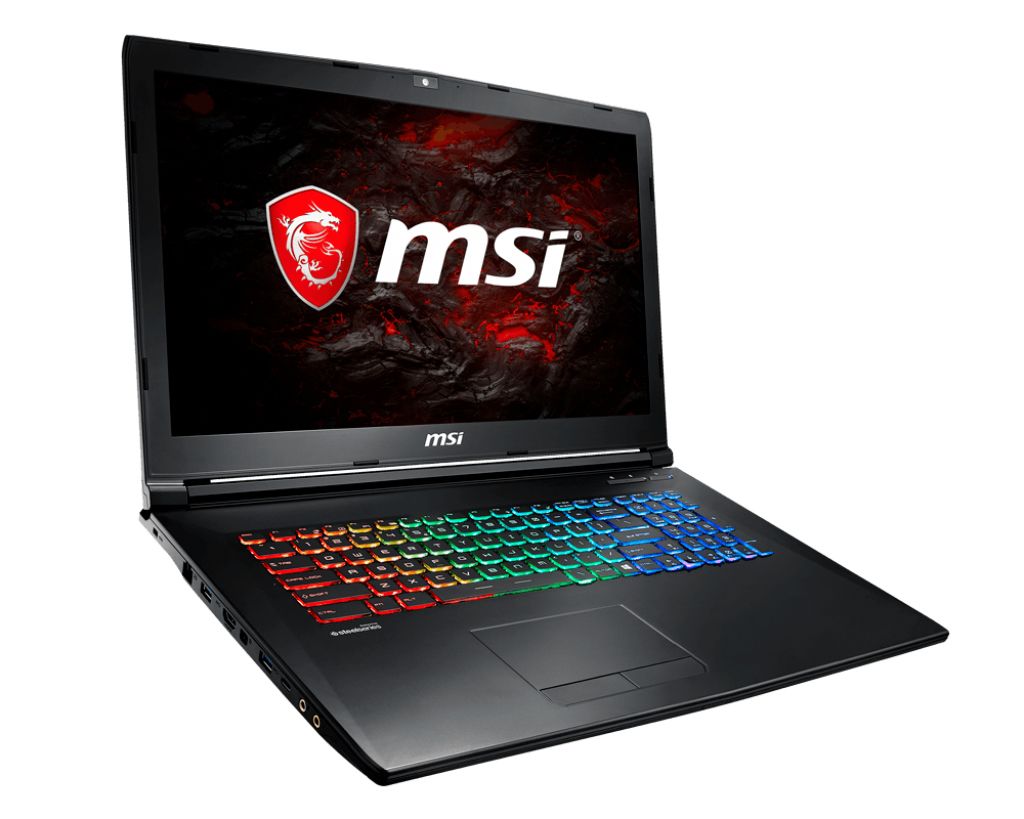
MSI GP72MVR 7RFX-642CZ Leopard Pro gaming laptop RAM upgrade specifications indicate DDR4-SDRAM memory compatibility with 2x SO-DIMM slots. Maximum memory capacity reaches 32 GB total, supporting DDR4-2400 MHz frequency modules. Upgrade options require SO-DIMM form factor components meeting specifications for compatible memory installation in this gaming series model.
Memory Upgrade Specifications
| Specification | Value |
|---|---|
| Memory slots | 2x SO-DIMM |
| Form factor | SO-DIMM |
| Memory type | DDR4-SDRAM |
| Frequency | 2400 MHz |
| Maximum RAM | 32 GB |
| Voltage | 1.2V |
| Number of pins | 260-pin |
| Interface | PC4 |
| PC Speed Rating | PC4-2400 (PC4-19200) |
| Bandwidth | 19.2 GB/s |
| Laptop Release date | 11 April 2018 |
Additional Notes
- The 2 slot configuration limits upgrade flexibility to either replacing both modules or adding a single module to an occupied slot, assuming one slot remains available.
- The 32 GB ceiling requires 2 modules of 16 GB each, as SO-DIMM modules above this density were not commonly available for DDR4-2400 systems at the time of the MSI GP72MVR 7RFX-642CZ Leopard Pro release.
- DDR4-2400 operates at PC4-19200 bandwidth, delivering 19.2 GB/s theoretical throughput per channel, which may bottleneck GPU-intensive tasks when paired with high-end mobile graphics cards.
- Mixing modules with different speeds will force all RAM to operate at the lowest common frequency, potentially downclocking faster modules to 2400 MHz or below.
- Non-matching module capacities will disable dual-channel mode or limit it to the smallest matched pair, cutting memory bandwidth in half for unmatched portions.
- Voltage compatibility requires DDR4 modules rated at 1.2V standard, as higher-voltage XMP profiles designed for desktop overclocking may not initialize properly or trigger stability issues.
- CAS latency variations between modules, even at identical frequencies, can introduce performance inconsistencies or POST failures depending on motherboard chipset tolerance.
- SO-DIMM modules exceeding 31.25 mm in height may interfere with keyboard assemblies or bottom panel clearances in this chassis design.
- Accessing memory slots in this model series typically requires full bottom panel removal, complicating field upgrades compared to designs with dedicated service doors.
- Thermal constraints in densely packed gaming chassis can cause DDR4 modules to throttle under sustained loads if ambient cooling is insufficient, particularly with 16 GB high-density chips.
- Non-ECC unbuffered modules are mandatory, as the HM175 or equivalent mobile chipset lacks registered memory support.
- Retaining factory-installed modules alongside aftermarket upgrades preserves warranty coverage in many regions, whereas complete replacement may void service agreements depending on local consumer protection laws.