MSI Gaming GP76 Leopard RAM upgrade specifications
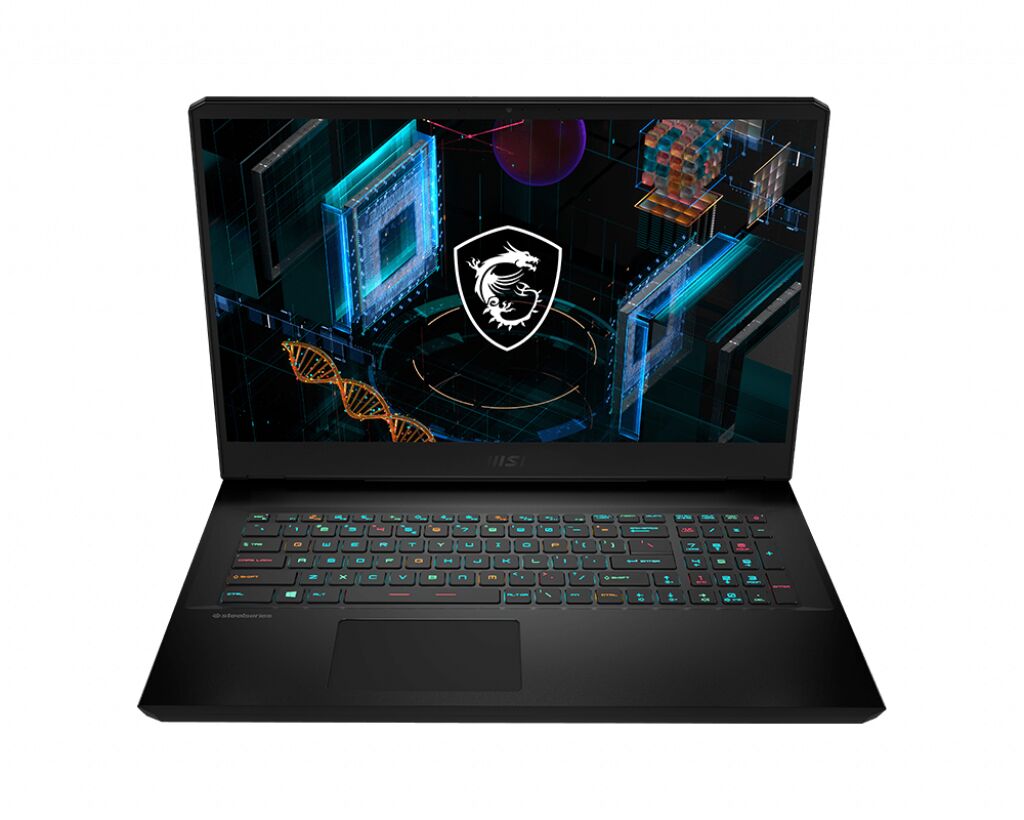
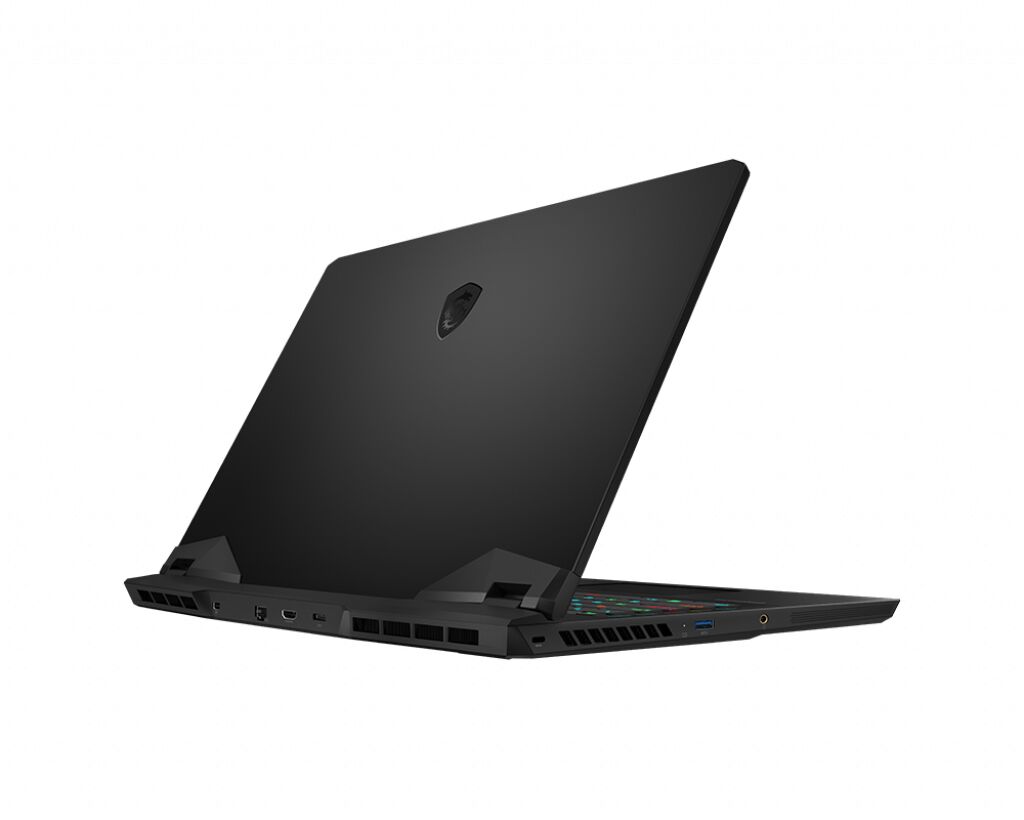
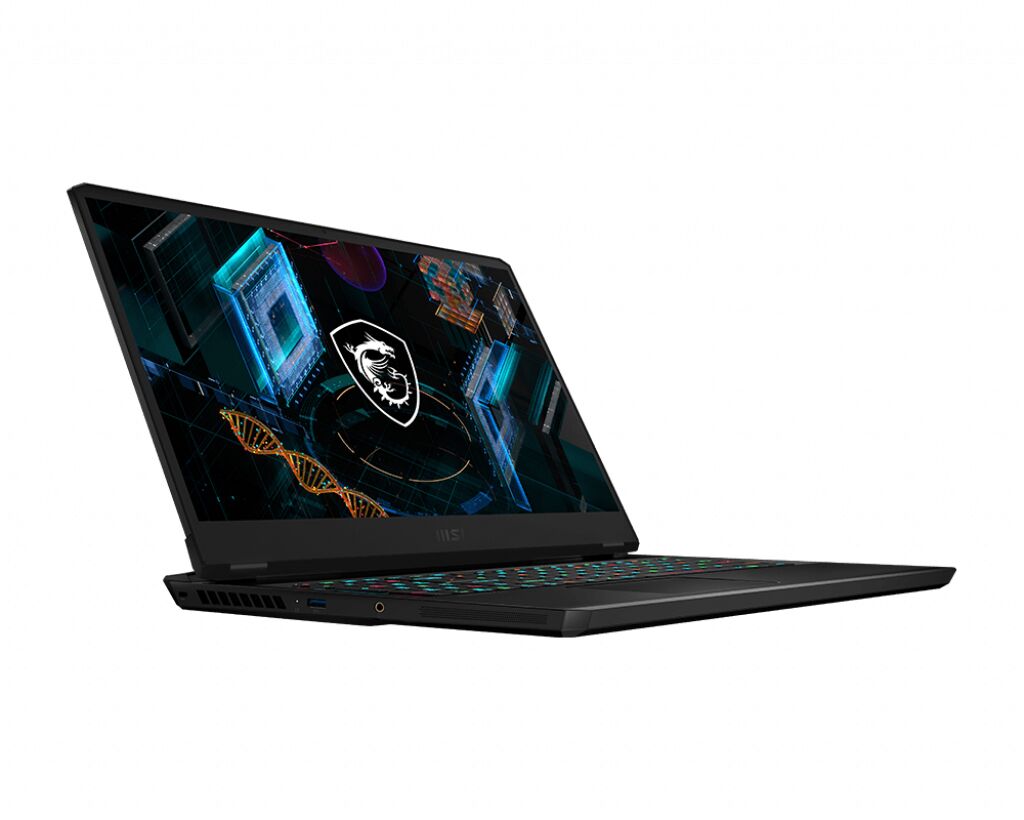
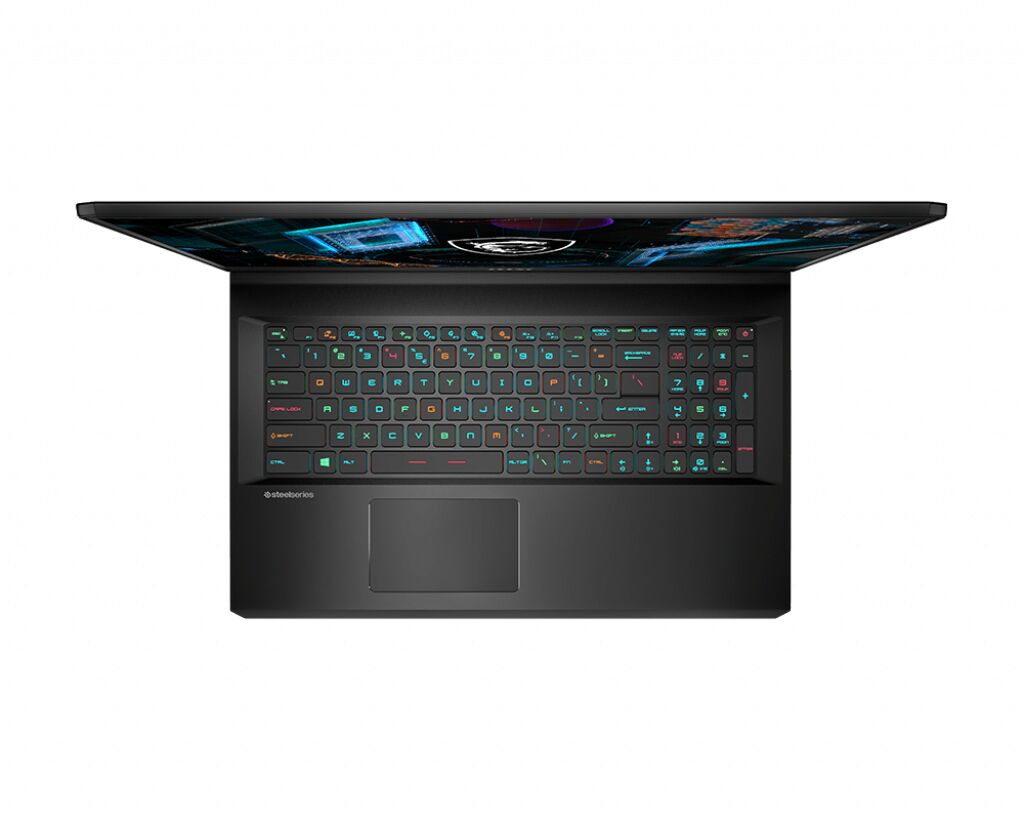
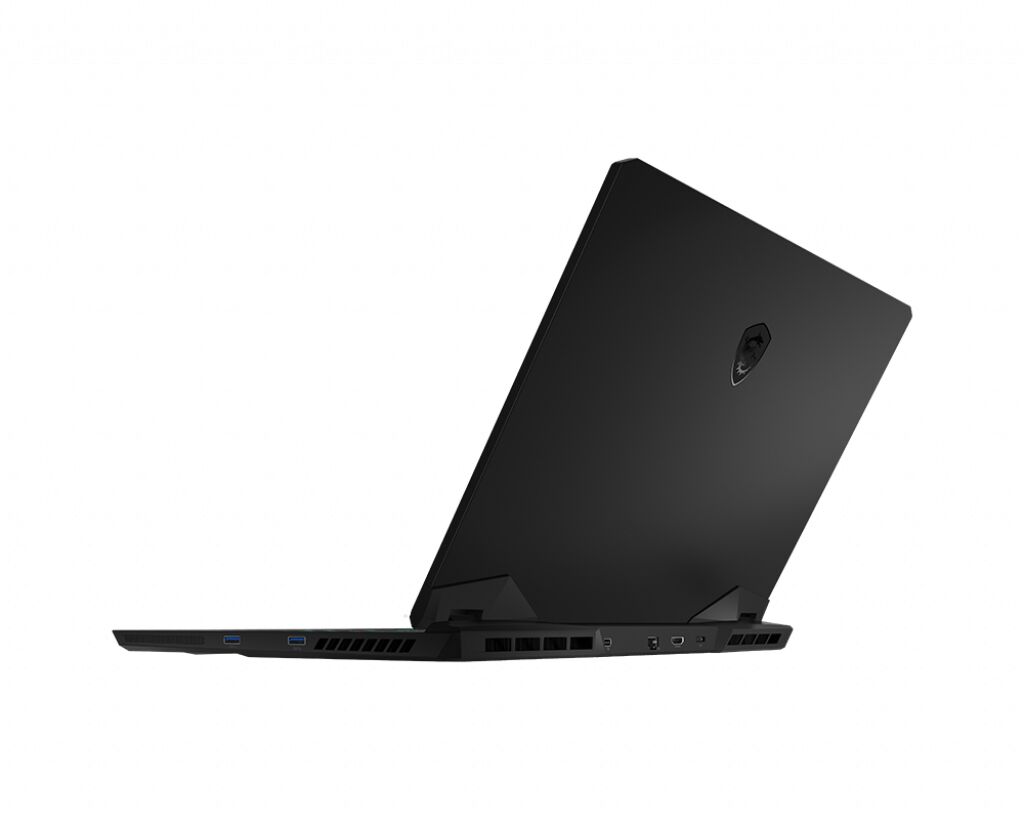
The MSI GP76 Leopard gaming laptop features DDR4-SDRAM memory upgrade capabilities with 2x SO-DIMM slots supporting a maximum RAM capacity of 64 GB. Compatible memory modules operate at 3200 MHz frequency and utilize the SO-DIMM form factor. Specifications indicate the gaming series model accommodates dual-channel memory configurations for enhanced performance. Current slot availability and existing capacity determine the upgrade potential for the MSI GP76 Leopard platform.
Memory Upgrade Specifications
| Specification | Value |
|---|---|
| Memory slots | 2x SO-DIMM |
| Form factor | SO-DIMM |
| Memory type | DDR4-SDRAM |
| Frequency | 3200 MHz |
| Maximum RAM | 64 GB |
| Voltage | 1.2V |
| Number of pins | 260-pin |
| Interface | PC4 |
| PC Speed Rating | PC4-3200 (PC4-25600) |
| Bandwidth | 25.6 GB/s |
| Laptop Release date | 13 May 2021 |
Additional Notes
- The MSI GP76 Leopard supports DDR4-3200 modules exclusively, which creates compatibility constraints with newer DDR5 systems and limits future upgrade paths beyond the current generation without motherboard replacement.
- SO-DIMM form factor constrains upgrade options to laptop-grade memory modules only; desktop DDR4 UDIMM variants cannot physically install despite identical electrical specifications.
- Dual-slot architecture means maximum capacity of 64 GB requires 2x 32 GB modules, making intermediate capacity upgrades (e.g., 48 GB mixed configurations) impossible without replacing both modules simultaneously.
- The 3200 MHz standard creates a latency baseline; memory rated above this frequency may downclock to 3200 MHz, making premium-tier modules economically inefficient for this platform.
- Bandwidth saturation occurs at approximately 51 GB/s, which limits multi-threaded workload acceleration when paired with higher-core-count processors; DDR4 throughput becomes a secondary bottleneck in sustained rendering or virtualization tasks.
- Single-channel operation is possible during initial troubleshooting or temporary downgrades, but asymmetric configurations (e.g., 1x 32 GB + 1x 8 GB) will force dual-channel access to the smaller module's capacity, reducing effective bandwidth efficiency.
- Upgrading beyond 32 GB per slot requires vendor validation; certain BIOS versions may not recognize or properly initialize 48 GB or 64 GB total configurations without firmware updates.