MSI Gaming GP76 Leopard 10UG-239FR RAM upgrade specifications
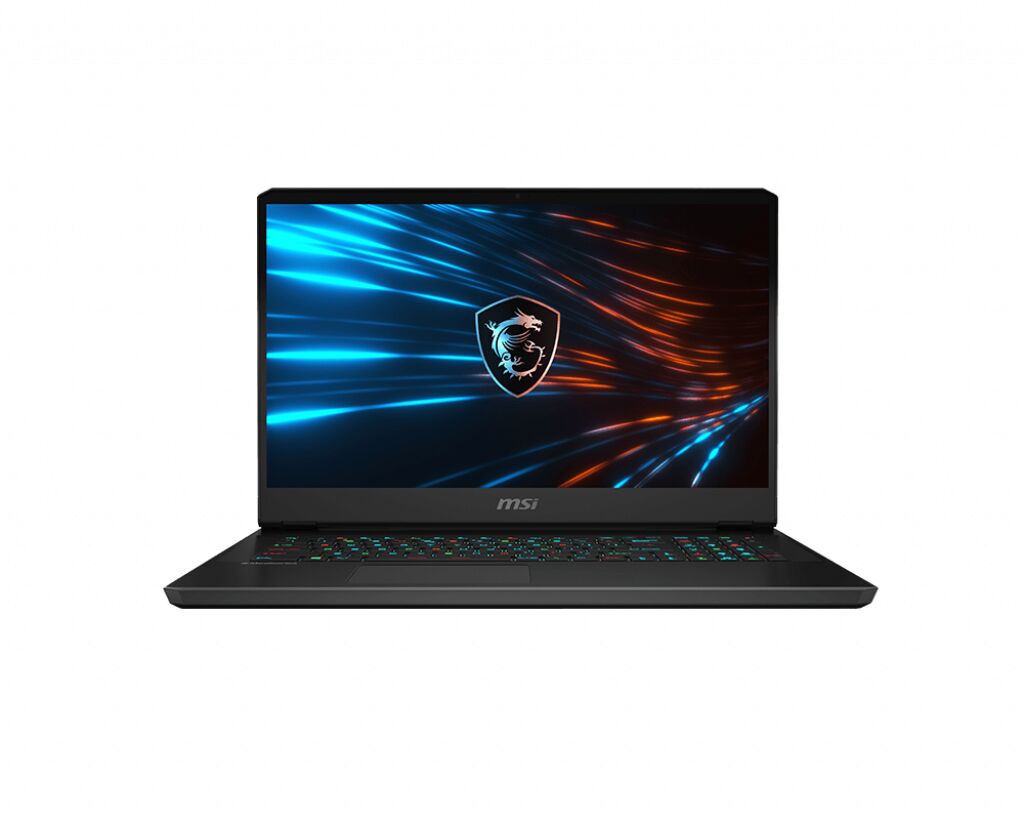
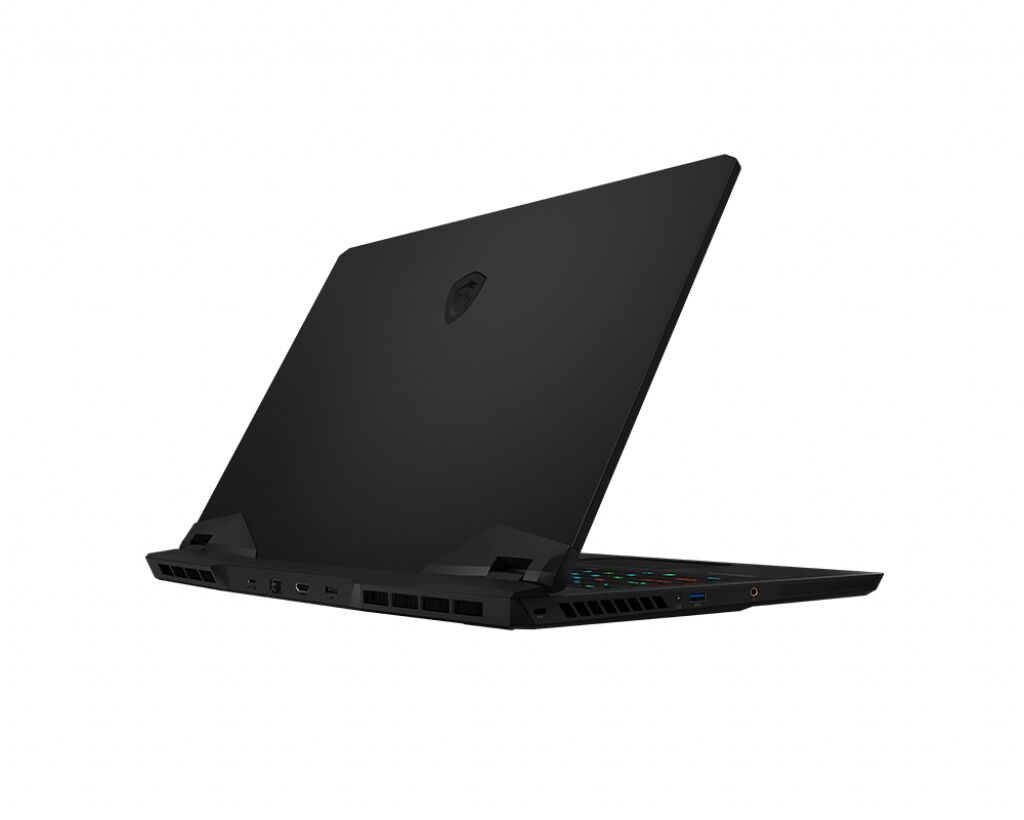
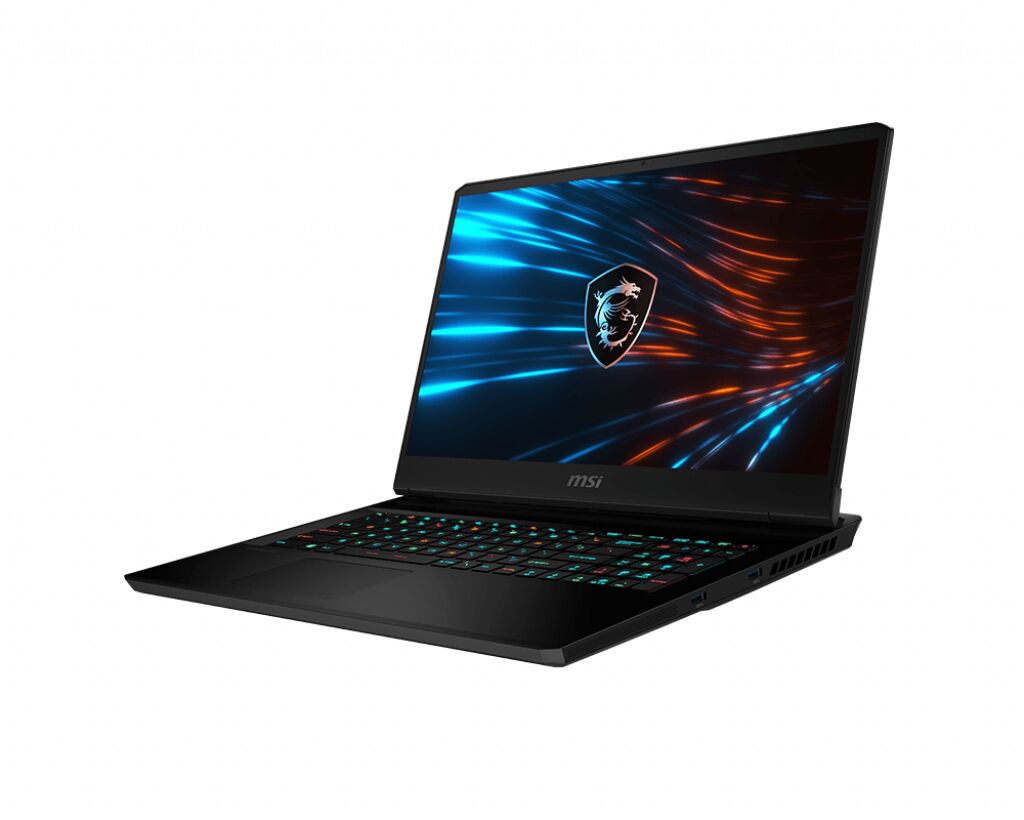
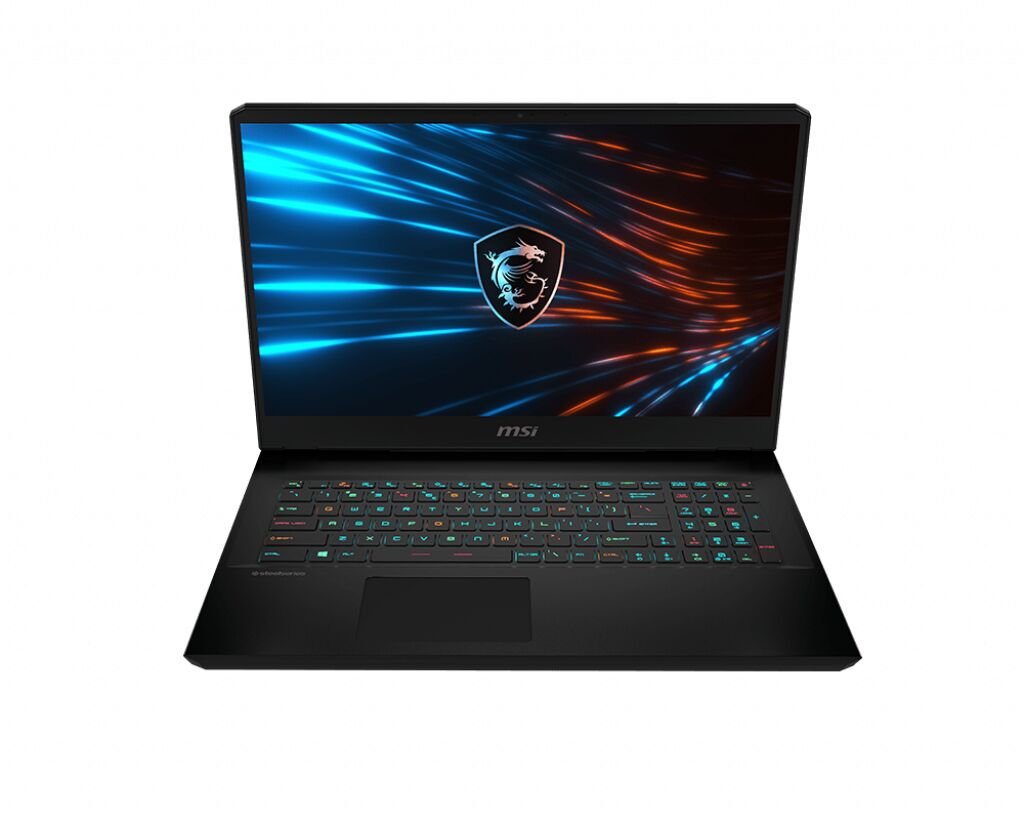
MSI GP76 Leopard 10UG-239FR gaming laptop specifications indicate DDR4-SDRAM memory upgrade capacity. The device features two SO-DIMM slots supporting maximum RAM capacity of 64 GB total. Compatible memory modules operate at 3200 MHz frequency. Current upgrade specifications allow installation of dual memory modules in SO-DIMM form factor configuration. MSI Gaming series GP76 model supports DDR4 memory technology with defined frequency parameters for RAM upgrades.
Memory Upgrade Specifications
| Specification | Value |
|---|---|
| Memory slots | 2x SO-DIMM |
| Form factor | SO-DIMM |
| Memory type | DDR4-SDRAM |
| Frequency | 3200 MHz |
| Maximum RAM | 64 GB |
| Voltage | 1.2V |
| Number of pins | 260-pin |
| Interface | PC4 |
| PC Speed Rating | PC4-3200 (PC4-25600) |
| Bandwidth | 25.6 GB/s |
| Laptop Release date | 01 January 2021 |
Additional Notes
- The MSI GP76 Leopard 10UG-239FR contains 2 SO-DIMM slots operating at 3200 MHz, establishing a ceiling of 64 GB total capacity. Reaching this maximum requires 2x 32 GB modules, as single-slot population cannot exceed 32 GB per module due to SO-DIMM physical constraints.
- DDR4-3200 modules remain the optimal specification for this platform. Faster DDR4 variants (3600 MHz and above) will downclock to 3200 MHz, resulting in no performance gain while increasing cost. Slower modules will similarly downclock to match system timing, creating unnecessary performance loss.
- Accessing both SO-DIMM slots requires removal of the base cover beneath the laptop. This procedure falls within manufacturer-approved maintenance and does not void the warranty when performed without damage to surrounding components. Keeping original modules for verification purposes protects warranty claims.
- DDR4 latency specifications (CAS latency 16-22) do not significantly differentiate gaming performance at 3200 MHz on this architecture. Module selection should prioritize capacity and frequency matching rather than latency ratings.
- Mixed-capacity configurations (16 GB + 32 GB) function correctly but operate in single-channel mode across the asymmetrical pair. Dual-channel performance requires matched capacities in both slots, making mismatched upgrades suboptimal for memory bandwidth-sensitive workloads.