MSI Gaming G75 Stealth 480 RAM upgrade specifications
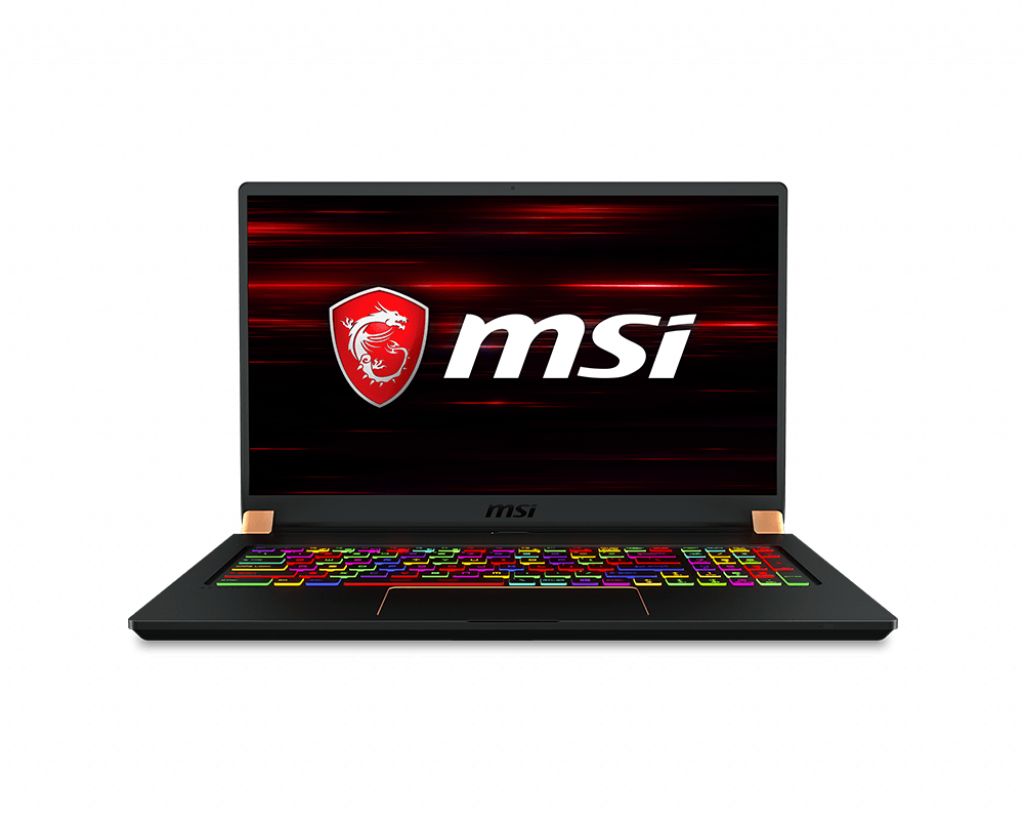

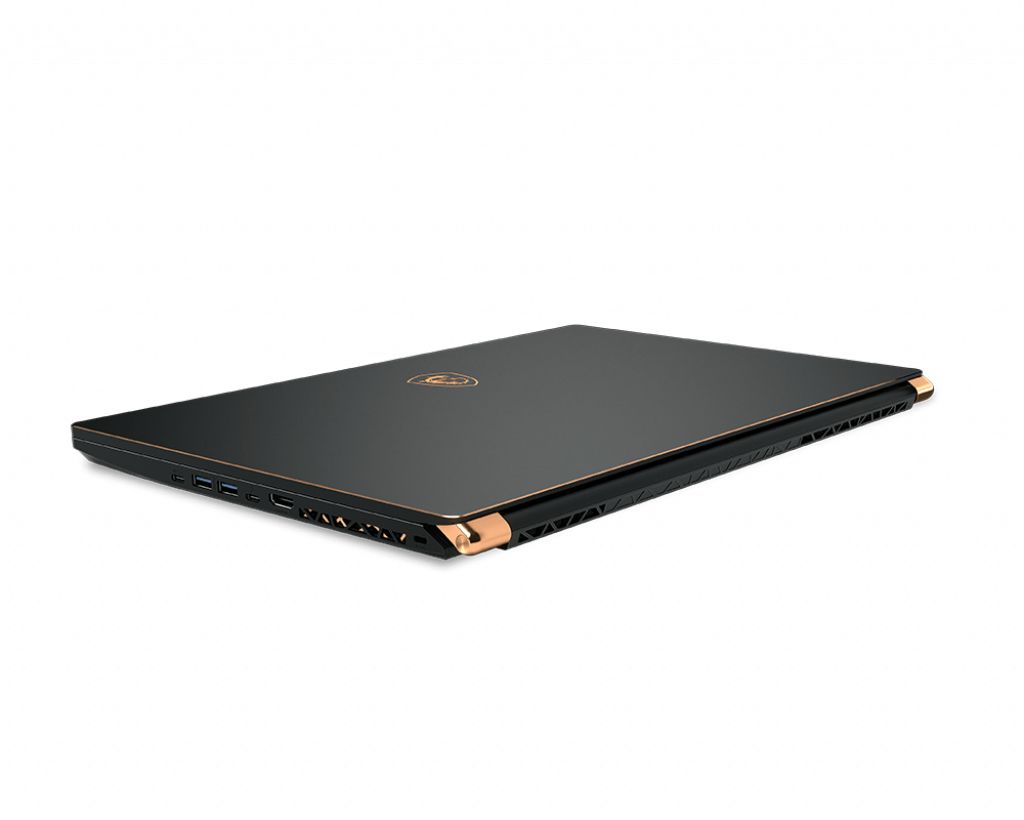


MSI G75 Stealth 480 gaming laptop features DDR4-SDRAM memory with 2x SO-DIMM slots supporting maximum capacity of 32 GB RAM. Compatible memory upgrades operate at 2666 MHz frequency. Specifications indicate support for SO-DIMM form factor modules. Existing slots accommodate expansion and memory upgrades for enhanced system performance on the MSI Gaming GS series model.
Memory Upgrade Specifications
| Specification | Value |
|---|---|
| Memory slots | 2x SO-DIMM |
| Form factor | SO-DIMM |
| Memory type | DDR4-SDRAM |
| Frequency | 2666 MHz |
| Maximum RAM | 32 GB |
| Voltage | 1.2V |
| Number of pins | 260-pin |
| Interface | PC4 |
| PC Speed Rating | PC4-2666 (PC4-21328) |
| Bandwidth | 21.3 GB/s |
| Laptop Release date | 29 April 2019 |
Additional Notes
- The MSI G75 Stealth 480 requires SO-DIMM modules, which eliminates standard desktop DIMM compatibility and narrows purchasing options to laptop-specific memory configurations.
- The 32 GB ceiling translates to a maximum of 16 GB per slot, preventing the use of higher-density 32 GB modules even if the SO-DIMM form factor supports them.
- DDR4-2666 represents JEDEC standard timing, meaning modules rated at higher speeds like 3200 MHz will downclock to 2666 MHz, wasting premium pricing without performance gains.
- The dual-channel configuration with 2 slots requires matched pairs for optimal bandwidth, as single-stick installations or mismatched capacities will either disable dual-channel mode or force asymmetric operation.
- SO-DIMM DDR4 at 2666 MHz delivers 21.3 GB/s per channel, totaling 42.6 GB/s in dual-channel mode, which may bottleneck GPU-intensive tasks on systems with dedicated graphics drawing from shared system memory.
- Both memory slots are typically occupied in factory configurations on gaming models, requiring the removal and replacement of existing modules rather than simple capacity additions.
- Voltage specifications for DDR4-2666 standard operate at 1.2V, and higher-voltage enthusiast modules risk system instability or outright rejection by the memory controller.
- Non-ECC unbuffered memory is implied by the consumer gaming classification, making registered or error-correcting modules incompatible with the motherboard chipset.
- The 260-pin SO-DIMM standard prohibits the physical installation of 288-pin desktop modules, even with adapters, due to keying notch positioning differences.
- CAS latency specifications beyond CL19 offer diminishing returns at 2666 MHz due to bandwidth limitations, making premium low-latency kits economically inefficient for this platform.