MSI Gaming G75 Stealth 248 RAM upgrade specifications
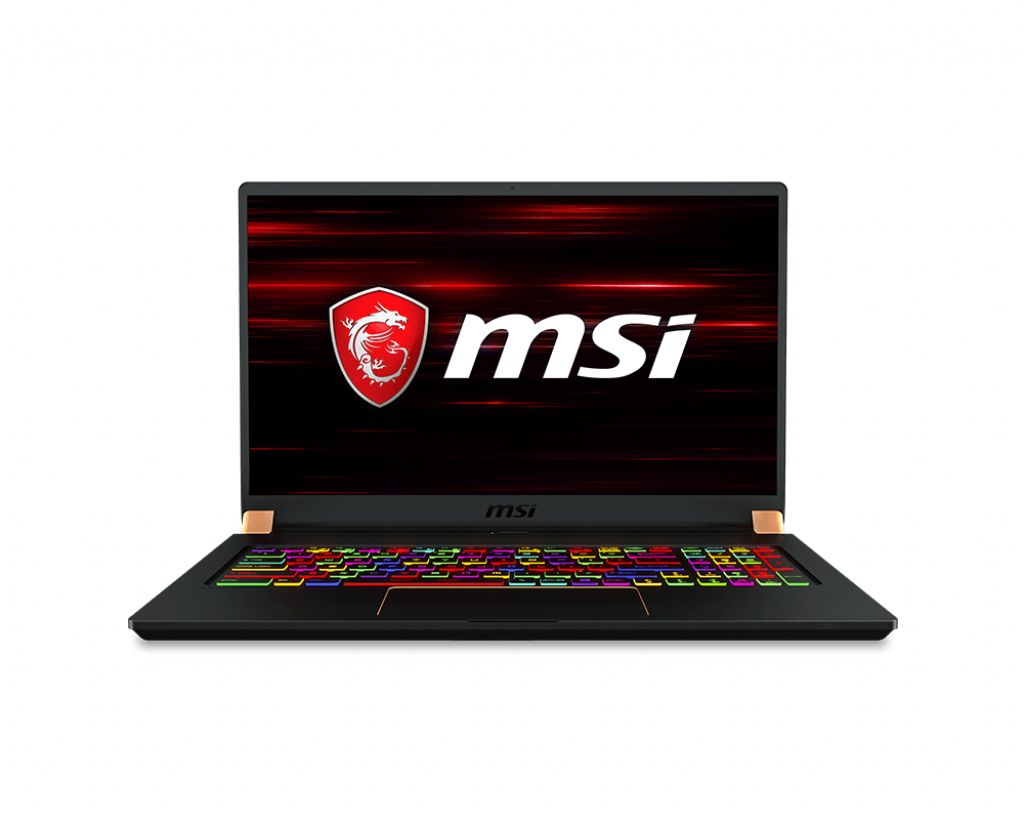
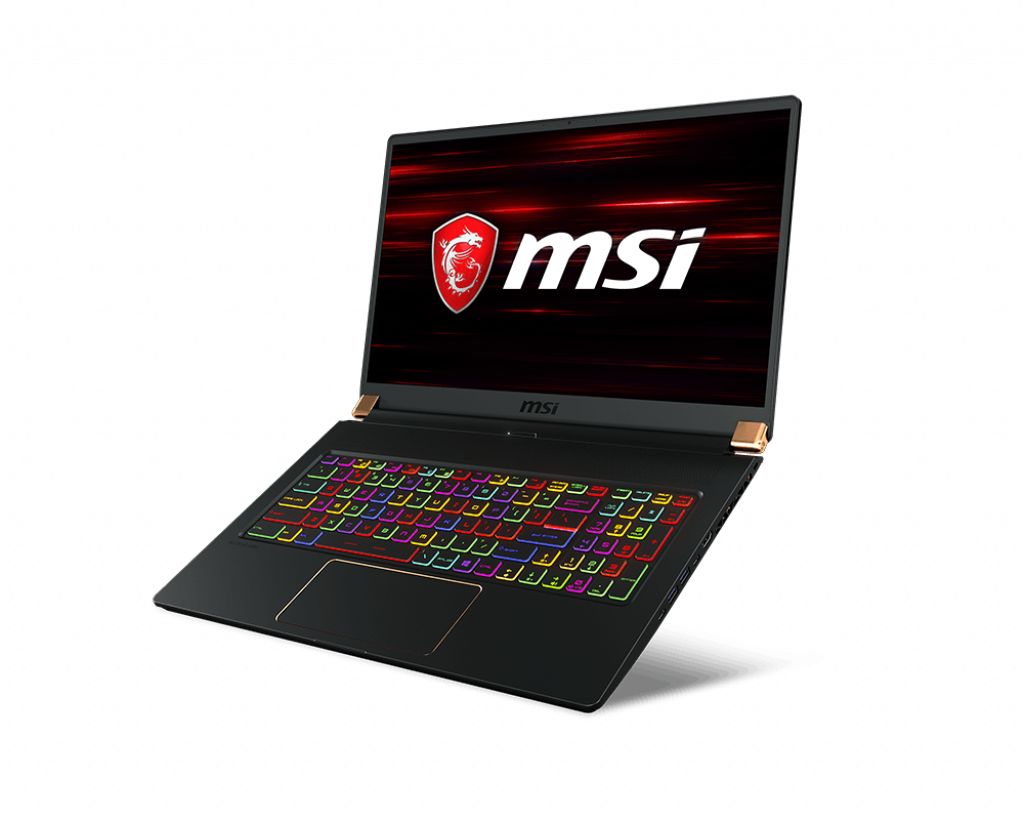
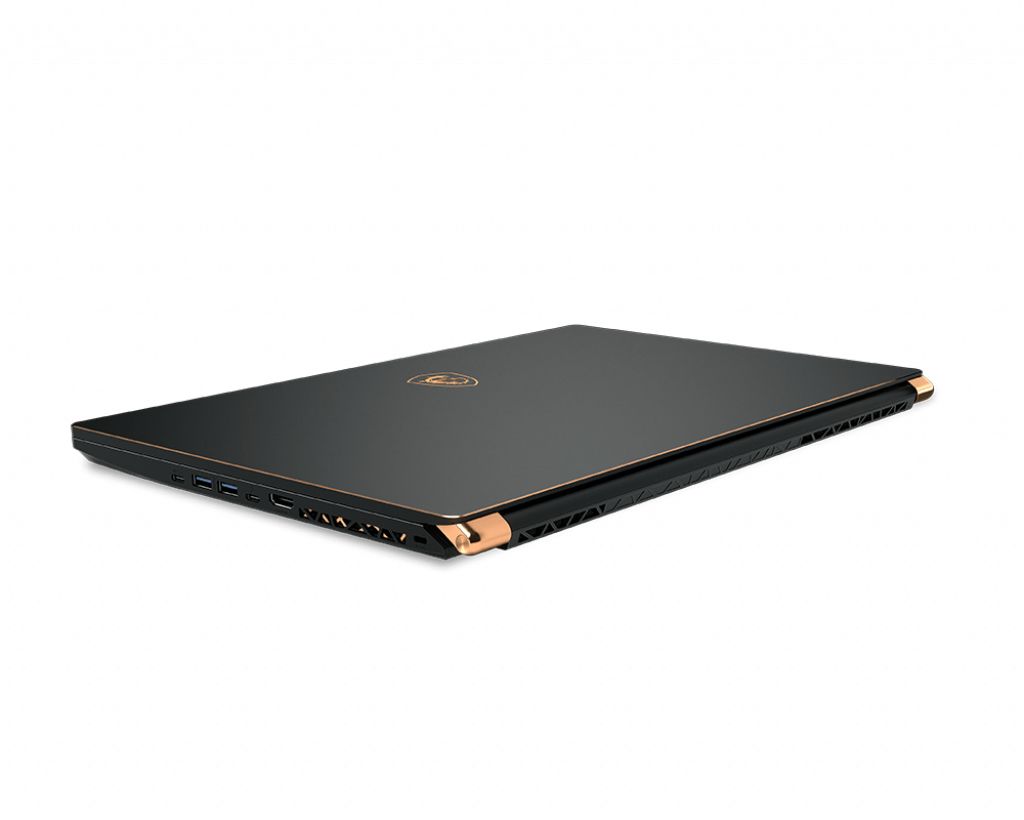

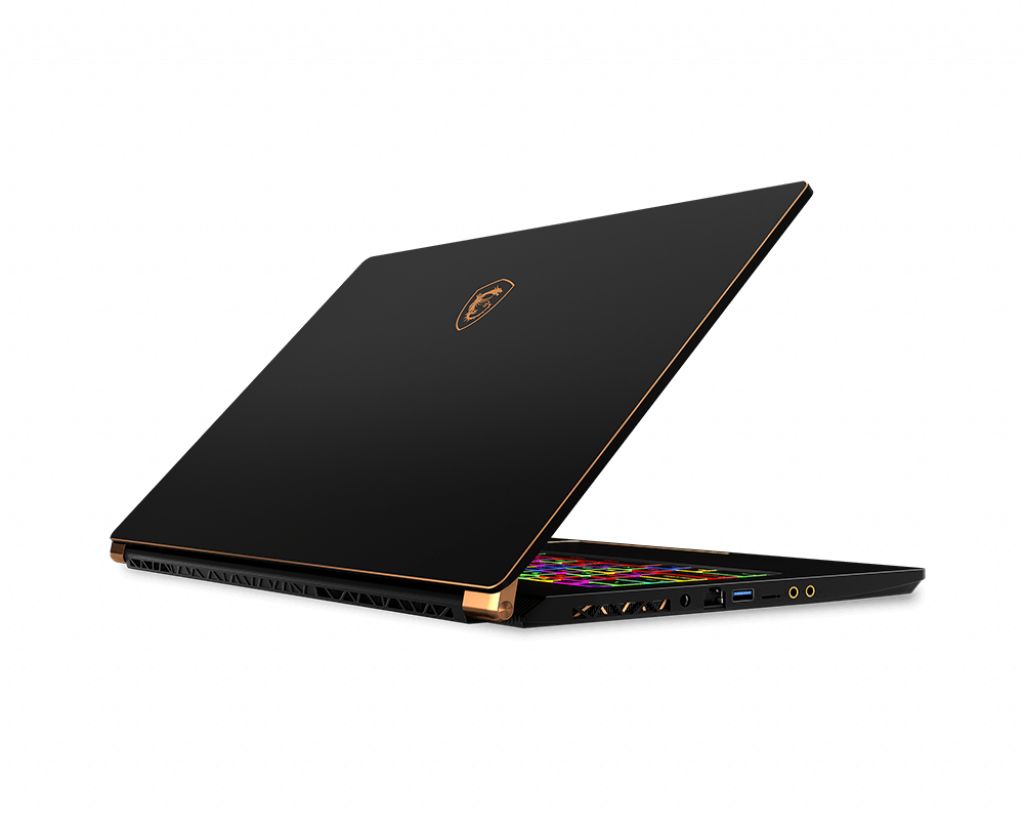
MSI G75 Stealth 248 Gaming series laptop features DDR4-SDRAM memory upgrade specifications with 2x SO-DIMM slots supporting maximum capacity of 32 GB RAM. Compatible memory modules operate at 2666 MHz frequency using SO-DIMM form factor. Upgrade specifications enable users to expand system memory from factory configurations to maximum supported capacity for enhanced performance in gaming and multitasking applications.
Memory Upgrade Specifications
| Specification | Value |
|---|---|
| Memory slots | 2x SO-DIMM |
| Form factor | SO-DIMM |
| Memory type | DDR4-SDRAM |
| Frequency | 2666 MHz |
| Maximum RAM | 32 GB |
| Voltage | 1.2V |
| Number of pins | 260-pin |
| Interface | PC4 |
| PC Speed Rating | PC4-2666 (PC4-21328) |
| Bandwidth | 21.3 GB/s |
| Laptop Release date | 29 April 2019 |
Additional Notes
- The 2666 MHz frequency specification indicates PC4-21300 memory modules are required, which limits compatibility to DDR4 SO-DIMMs with this exact speed rating or modules capable of downclocking from higher native frequencies.
- The 32 GB maximum capacity constraint across 2 slots restricts upgrade configurations to either dual 16 GB modules or asymmetric pairings, as 64 GB total capacity through 2x32 GB modules exceeds the memory controller's addressing capability.
- DDR4-2666 operates at lower bandwidth (21.3 GB/s per channel) compared to modern DDR4-3200 standards, creating potential throughput limitations for GPU-intensive workloads common in gaming systems where memory-to-processor data transfer becomes a bottleneck.
- The SO-DIMM form factor requirement for the MSI G75 Stealth 248 means standard desktop DIMM modules are physically incompatible due to the 260-pin versus 288-pin interface difference and reduced PCB length of notebook memory.
- Mixing modules with different CAS latencies alongside the 2666 MHz base frequency forces the memory controller to adopt the slowest timing values across both slots, potentially degrading performance below single-module operation in latency-sensitive applications.
- The dual-channel configuration through 2 SO-DIMM slots requires matched module capacities to enable interleaved memory access, as asymmetric configurations may force single-channel operation and halve effective bandwidth to 10.65 GB/s.
- Installing non-XMP standard DDR4-2666 modules avoids BIOS configuration requirements, while higher-frequency XMP modules necessitate profile verification to ensure stable downclocking to the 2666 MHz specification without voltage or timing conflicts.
- The memory controller's validation for 32 GB maximum suggests potential instability issues with denser memory chip configurations, as 16 Gbit die-based modules may encounter compatibility problems not present with 8 Gbit die architectures.