MSI Gaming GE75 9SG-417 Raider RAM upgrade specifications



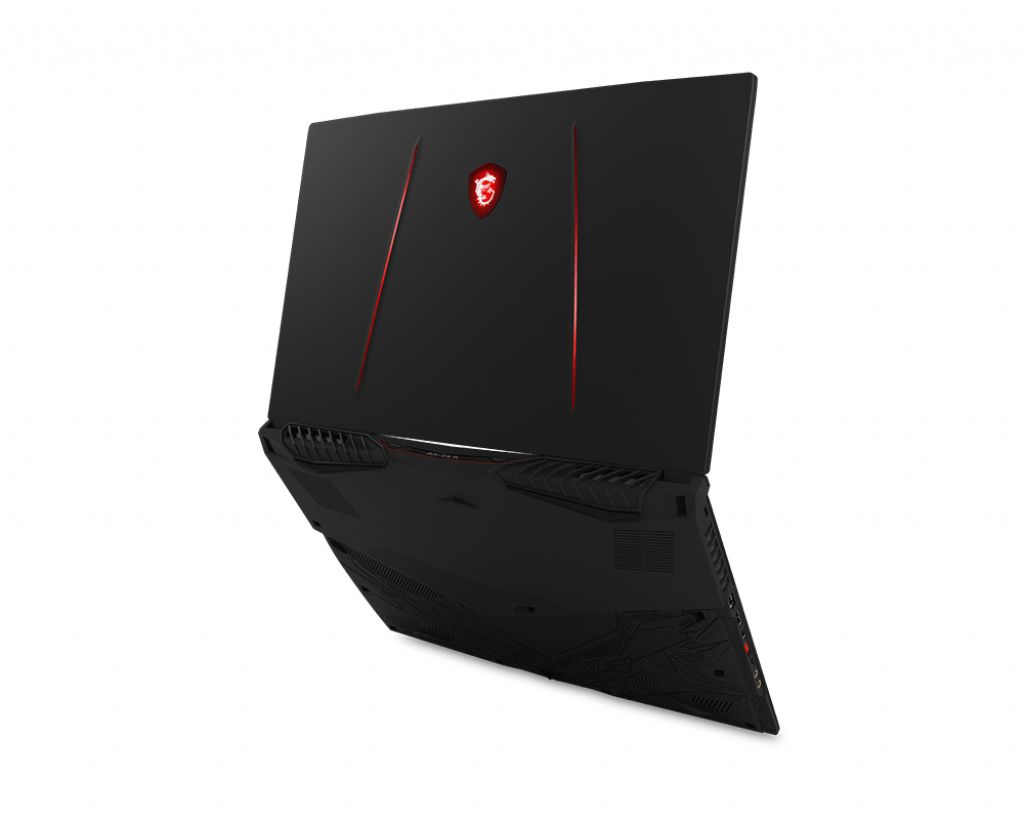

The MSI GE75 9SG-417 Raider Gaming series laptop features DDR4-SDRAM memory upgrade specifications with 2x SO-DIMM slots supporting a maximum RAM capacity of 64 GB. The memory operates at 2666 MHz frequency using the SO-DIMM form factor. Compatible RAM upgrades for this model enable expansion of the laptop's memory configuration to enhance multitasking and performance capabilities. Specifications indicate the GE75 9SG-417 Raider supports dual-channel memory architecture with potential upgrade paths from the factory-installed configuration up to the maximum compatible capacity of 64 GB total.
Memory Upgrade Specifications
| Specification | Value |
|---|---|
| Memory slots | 2x SO-DIMM |
| Form factor | SO-DIMM |
| Memory type | DDR4-SDRAM |
| Frequency | 2666 MHz |
| Maximum RAM | 64 GB |
| Voltage | 1.2V |
| Number of pins | 260-pin |
| Interface | PC4 |
| PC Speed Rating | PC4-2666 (PC4-21328) |
| Bandwidth | 21.3 GB/s |
| Laptop Release date | 29 April 2019 |
Additional Notes
- The 64 GB ceiling stems from chipset addressing limitations in 9th generation Intel mobile platforms, restricting future expansion beyond this threshold regardless of module availability.
- DDR4-2666 operates at PC4-21300 bandwidth specification, delivering 21.3 GB/s theoretical throughput per channel in dual-channel configuration.
- The SO-DIMM form factor requirement excludes standard desktop DIMM modules, which are physically incompatible due to different pin counts and notch positioning.
- Dual-slot configuration enables symmetric memory population for maximum bandwidth efficiency, as asymmetric configurations may force single-channel operation and halve memory throughput.
- Modules rated above 2666 MHz will downclock to match the system's supported frequency, making higher-speed kits functionally identical to base specification modules in this MSI GE75 9SG-417 Raider platform.
- Non-ECC unbuffered modules are mandatory, as registered or ECC memory types trigger POST failures in consumer mobile chipsets.
- Mixed module capacities technically function but may disable dual-channel mode depending on asymmetry, reducing memory subsystem performance by approximately 50 percent.
- Voltage specification is fixed at 1.2V for DDR4 operation; low-voltage variants designed for different platforms risk compatibility issues or instability.
- Bottom panel access typically requires complete disassembly rather than dedicated memory bay access, affecting ease of field upgrades without specialized tools.
- Matched kit installations from single manufacturing batches reduce timing conflicts and improve stability compared to mixing modules from different production runs or vendors.