MSI Gaming GS63 7RD-059FR Stealth RAM upgrade specifications


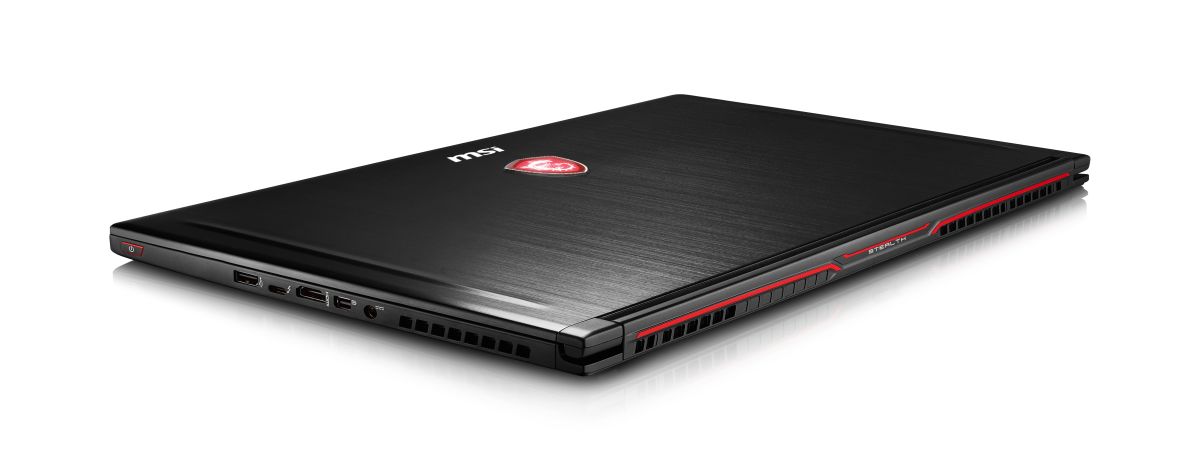
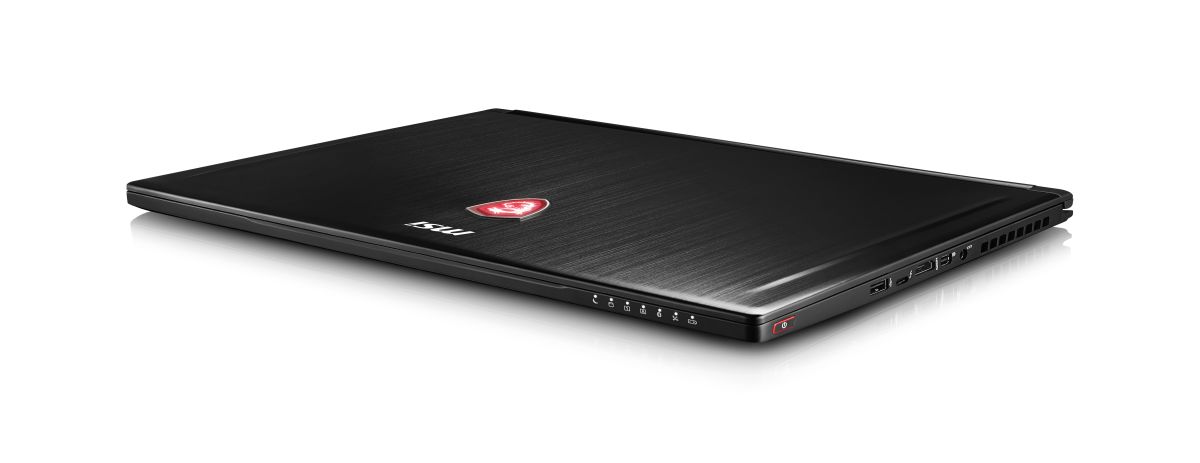
MSI GS63 7RD-059FR Stealth gaming laptop RAM upgrade specifications include DDR4-SDRAM memory type with 2x SO-DIMM slots supporting maximum capacity of 32 GB total. Compatible memory operates at 2400 MHz frequency using SO-DIMM form factor. Upgrade slots accommodate standard notebook memory modules for performance enhancement. Maximum memory specifications enable substantial RAM capacity expansion for this gaming series model.
Memory Upgrade Specifications
| Specification | Value |
|---|---|
| Memory slots | 2x SO-DIMM |
| Form factor | SO-DIMM |
| Memory type | DDR4-SDRAM |
| Frequency | 2400 MHz |
| Maximum RAM | 32 GB |
| Voltage | 1.2V |
| Number of pins | 260-pin |
| Interface | PC4 |
| PC Speed Rating | PC4-2400 (PC4-19200) |
| Bandwidth | 19.2 GB/s |
| Laptop Release date | 26 March 2018 |
Additional Notes
- The MSI GS63 7RD-059FR Stealth architecture limits total capacity recognition to 32 GB despite the chipset's theoretical 64 GB addressing capability, indicating BIOS-level restrictions that cannot be circumvented through firmware updates.
- Both memory channels must operate at identical frequencies, meaning mixed-speed configurations will downclock all modules to the slowest installed frequency, potentially throttling 2666 MHz or 3200 MHz modules to the baseline 2400 MHz specification.
- The dual-channel configuration requires matched module pairs for optimal bandwidth utilization, as asymmetric configurations force single-channel operation and halve theoretical memory throughput from 38.4 GB/s to 19.2 GB/s.
- Standard voltage DDR4 SO-DIMM modules rated at 1.2V maintain compatibility, while low-voltage or overclocked variants may trigger POST failures or system instability due to embedded controller voltage regulation limits.
- The 260-pin SO-DIMM form factor necessitates removal of the bottom chassis panel for physical access, with typical slot positioning beneath thermal management components requiring disconnection of cooling assemblies in cramped gaming laptop layouts.
- Upgrade installations preserve manufacturer warranty coverage when using JEDEC-standard modules without XMP profiles, as non-standard frequency or timing configurations may void service agreements tied to reference specifications.
- Populating both slots eliminates future incremental upgrade pathways, requiring complete module replacement rather than additive expansion when reaching the 32 GB ceiling with 16 GB modules installed.
- Memory latency remains fixed at JEDEC-standard CAS timings for 2400 MHz operation, typically CL17, as the platform lacks SPD profile selection or manual timing adjustment capabilities found in desktop BIOS implementations.