MSI Gaming GS63 7RD-077AU Stealth RAM upgrade specifications


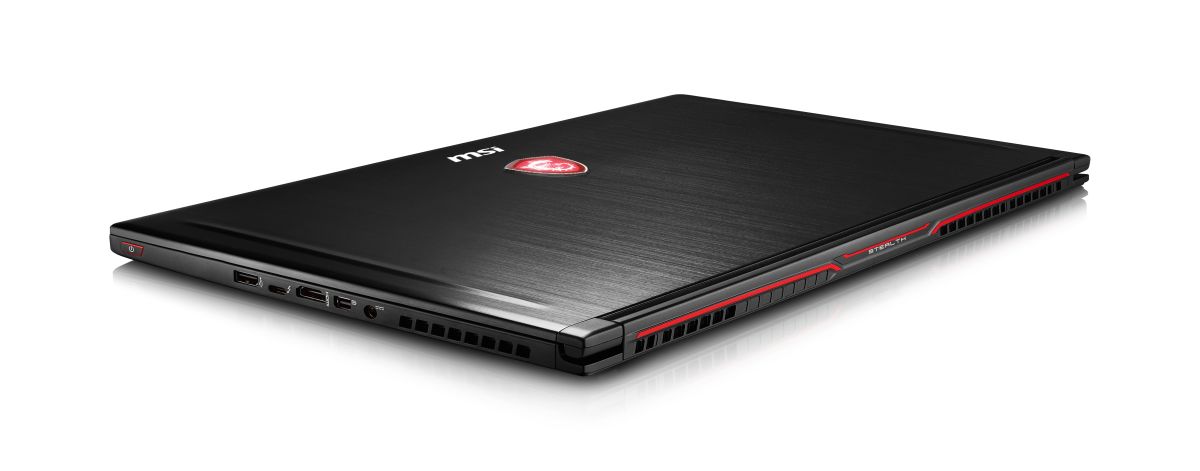
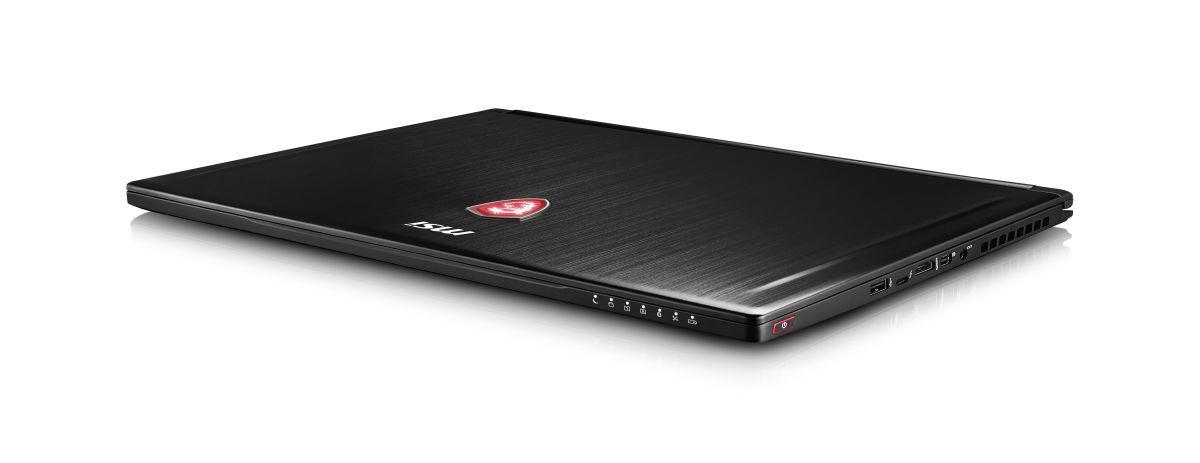
MSI GS63 7RD-077AU Stealth gaming laptop memory upgrade specifications include two SO-DIMM slots supporting DDR4-SDRAM memory modules. Compatible memory operates at 2400 MHz frequency. Maximum RAM capacity reaches 32 GB total. Upgrade procedures involve accessing SO-DIMM slots to install compatible memory modules. Specifications indicate memory configuration supports dual-channel architecture for optimized performance on MSI Gaming GS series systems.
Memory Upgrade Specifications
| Specification | Value |
|---|---|
| Memory slots | 2x SO-DIMM |
| Form factor | SO-DIMM |
| Memory type | DDR4-SDRAM |
| Frequency | 2400 MHz |
| Maximum RAM | 32 GB |
| Voltage | 1.2V |
| Number of pins | 260-pin |
| Interface | PC4 |
| PC Speed Rating | PC4-2400 (PC4-19200) |
| Bandwidth | 19.2 GB/s |
| Laptop Release date | 21 February 2018 |
Additional Notes
- The dual channel architecture requires symmetrical module pairs to achieve maximum theoretical memory bandwidth for the MSI GS63 7RD-077AU Stealth system.
- Installing internal components necessitates the removal of the entire base panel and potentially the flip of the motherboard as the memory slots are located on the underside of the PCB.
- High density modules exceeding 16 GB per slot are incompatible due to the hardware addressing limits of the 7th generation chipset architecture.
- Memory modules with speeds higher than 2400 MHz will undergo automatic downclocking to match the native controller frequency regardless of XMP profiles.
- The thin chassis design restricts thermal dissipation during heavy workloads which makes low voltage 1.2V modules preferable to maintain stable operating temperatures.
- Voiding the factory seal over a screw hole is often necessary for physical access to the SO-DIMM slots which affects local warranty service terms in certain jurisdictions.
- Mixing modules with different CAS latencies forces the system to operate at the timings of the slowest stick which increases overall narrow bus latency.