MSI Gaming GS63 7RD-072CA Stealth RAM upgrade specifications
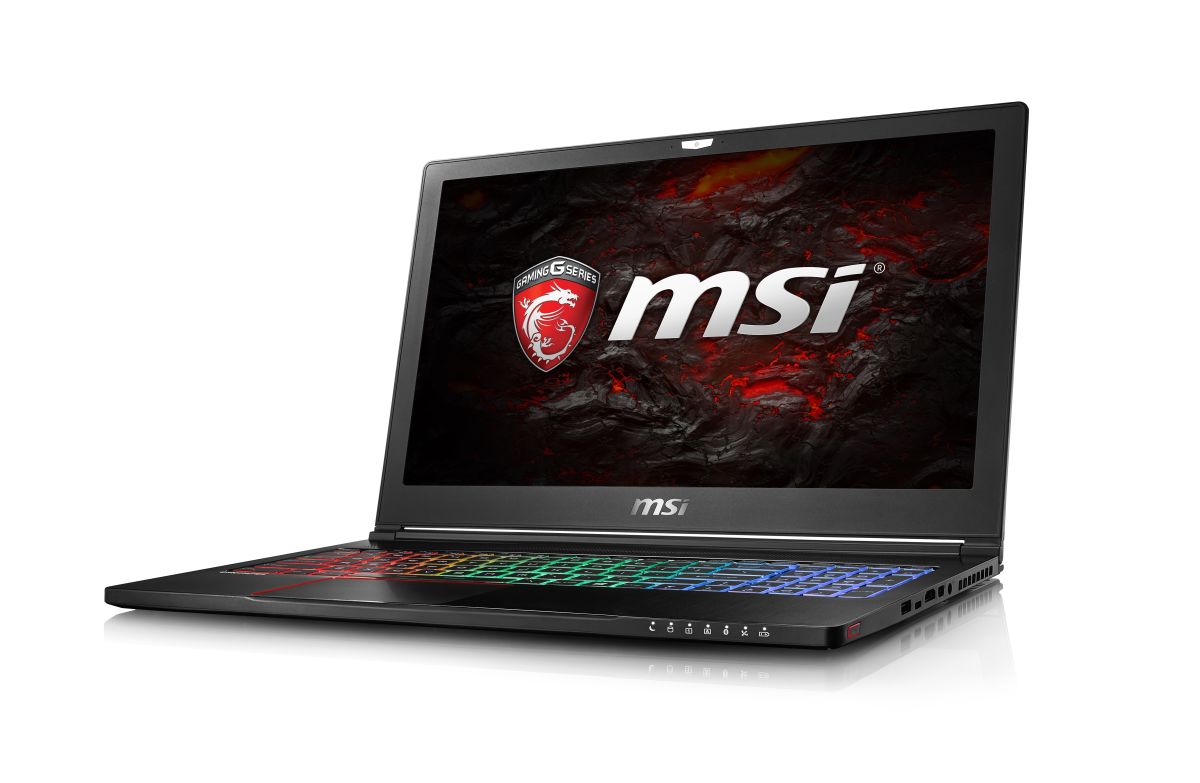

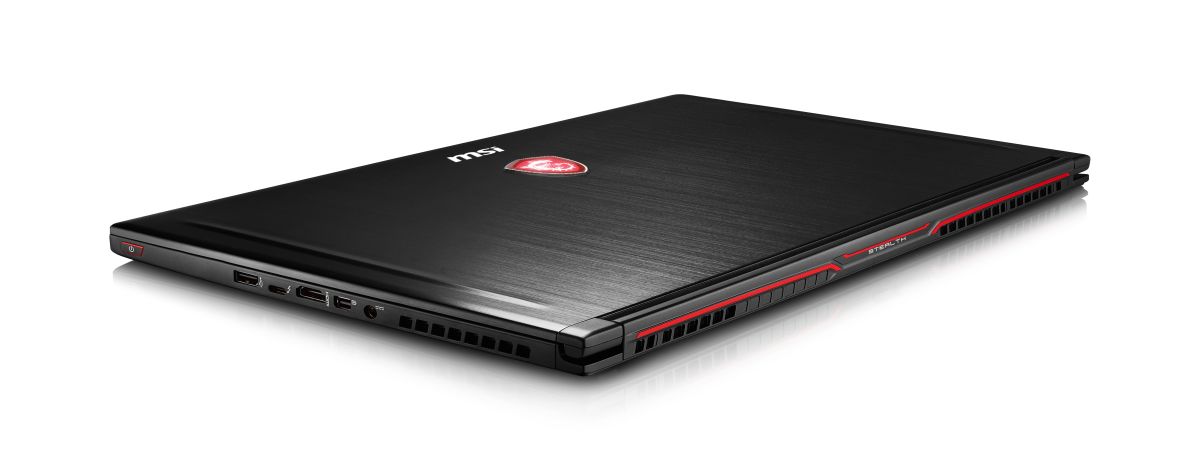
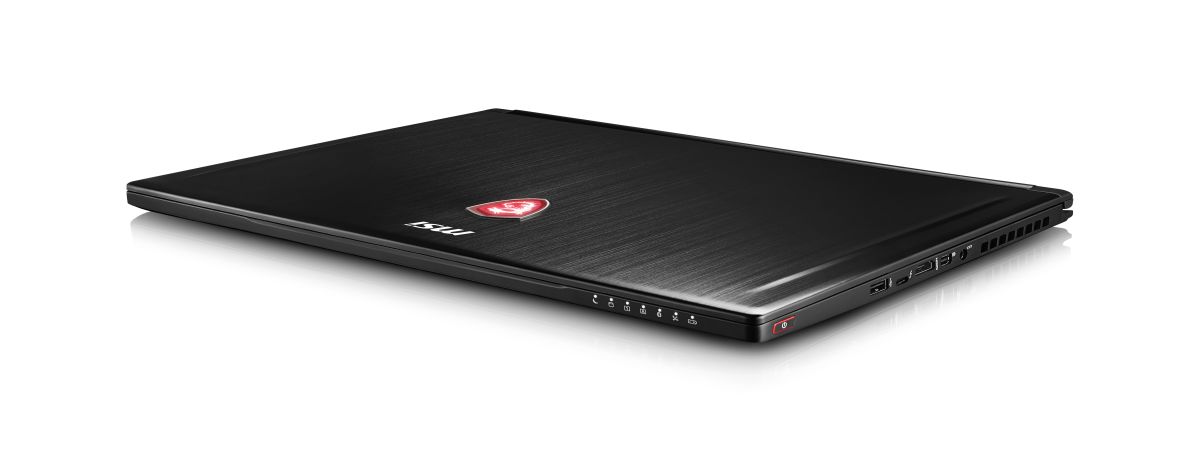
The MSI GS63 7RD-072CA Stealth Gaming series laptop features DDR4-SDRAM memory specifications with two SO-DIMM slots for RAM upgrade capacity. Maximum compatible memory capacity reaches 32 GB total, with DDR4-2400 MHz frequency specifications. The upgrade slots accommodate standard SO-DIMM form factor modules, enabling users to expand the laptop's memory configuration from factory specifications to the maximum 32 GB capacity supported by the GS63 7RD-072CA Stealth model.
Memory Upgrade Specifications
| Specification | Value |
|---|---|
| Memory slots | 2x SO-DIMM |
| Form factor | SO-DIMM |
| Memory type | DDR4-SDRAM |
| Frequency | 2400 MHz |
| Maximum RAM | 32 GB |
| Voltage | 1.2V |
| Number of pins | 260-pin |
| Interface | PC4 |
| PC Speed Rating | PC4-2400 (PC4-19200) |
| Bandwidth | 19.2 GB/s |
| Laptop Release date | 02 January 2018 |
Additional Notes
- The MSI GS63 7RD-072CA Stealth supports a maximum of 32 GB total capacity across 2 slots, meaning each SO-DIMM module cannot exceed 16 GB per slot to reach the platform ceiling.
- DDR4-2400 MHz represents the native JEDEC standard for 7th generation Intel Core processors; higher frequency modules (DDR4-2666 or DDR4-3000) will downclock to 2400 MHz, eliminating any speed advantage and wasting capital on premium memory pricing.
- SO-DIMM slot architecture permits only 2 memory upgrade paths: single 16 GB module installation or dual 16 GB module configuration; no hybrid configurations exist between single and dual population.
- Swapping existing modules requires full extraction of both SO-DIMM sticks simultaneously due to the 2-slot constraint; incomplete removal of either module leaves zero functional memory capacity until both seats are populated.
- Notebook BIOS firmware typically locks memory timings and voltage to JEDEC defaults for DDR4-2400; manual timing adjustments remain unavailable, restricting overclocking options that desktop DDR4 platforms permit.
- Thermal proximity of SO-DIMM slots to the processor die and chipset in ultra-slim gaming chassis creates passive cooling limitations; modules with heatspreaders that exceed standard height tolerances risk contact with the heatsink assembly during reinstallation.