MSI Gaming GS63VR 7RF-682IT Stealth Pro RAM upgrade specifications
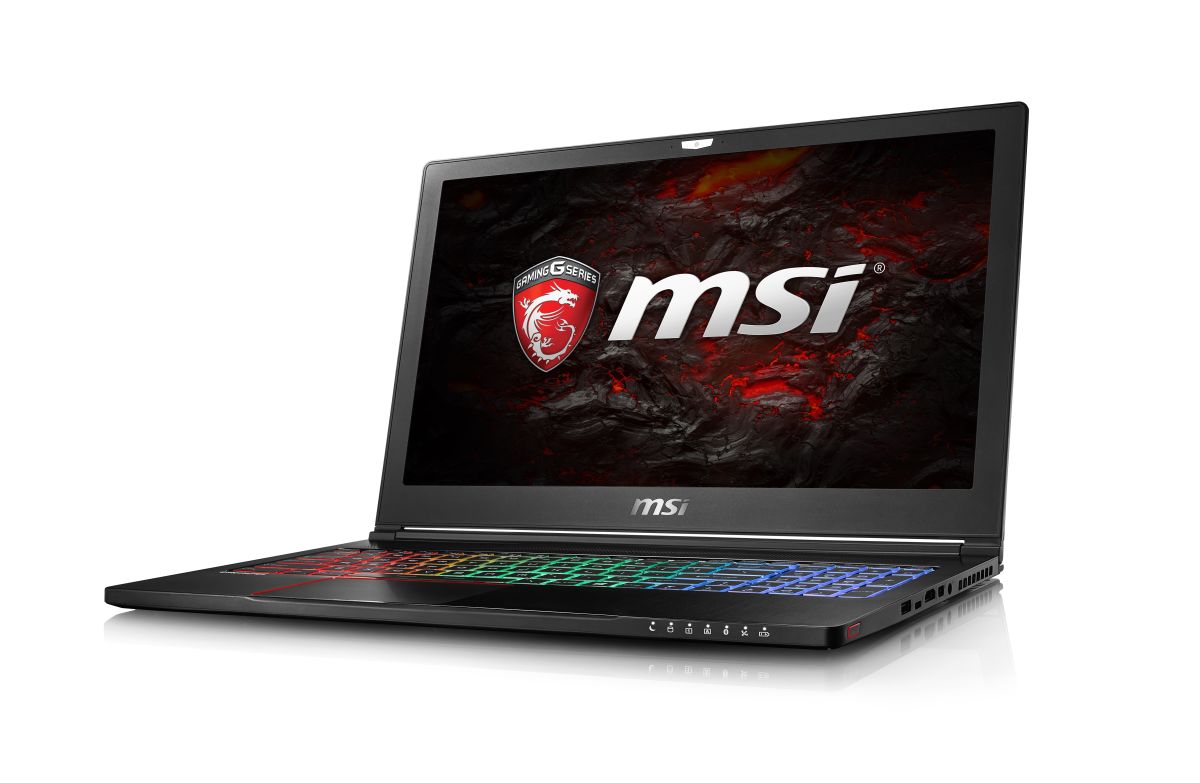

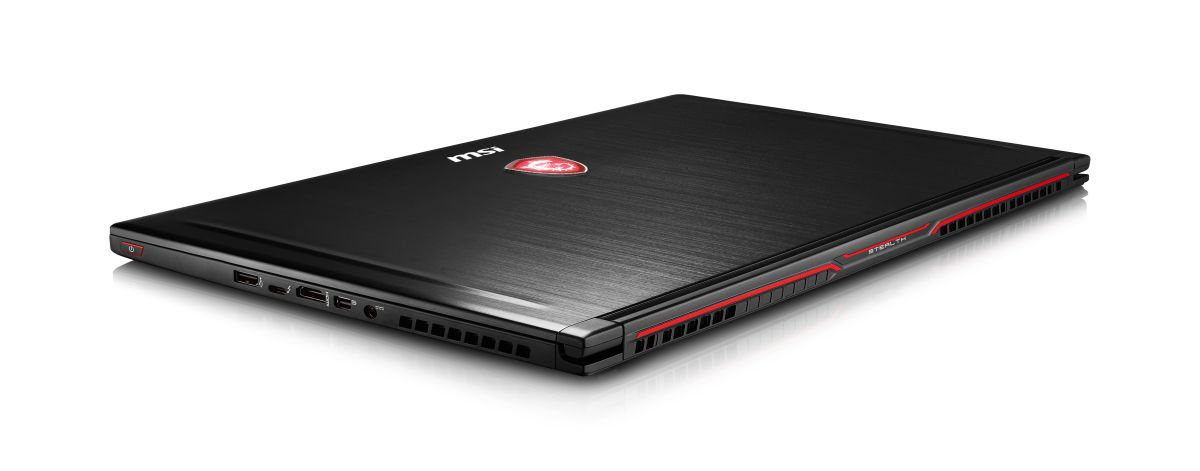
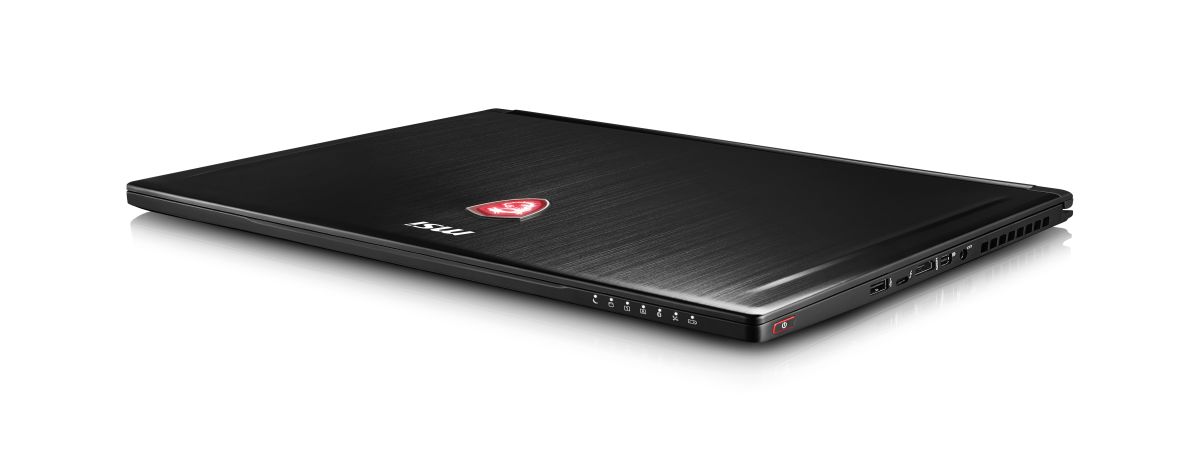
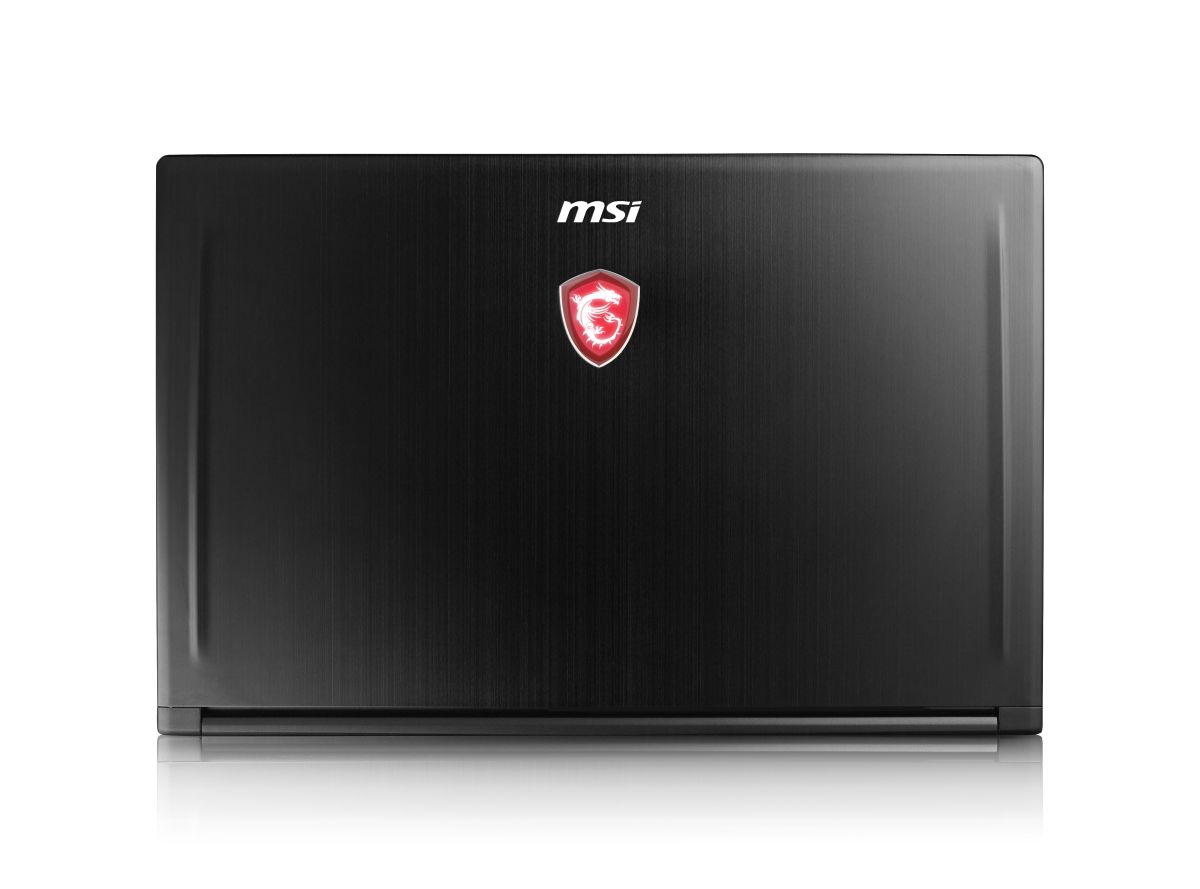
MSI GS63VR 7RF-682IT Stealth Pro gaming laptop supports DDR4-SDRAM memory upgrades via two SO-DIMM slots. Maximum RAM capacity reaches 32 GB total. Compatible memory operates at 2400 MHz frequency. Upgrade specifications include SO-DIMM form factor modules, enabling enhanced multitasking and performance capabilities for the GS series portable workstation.
Memory Upgrade Specifications
| Specification | Value |
|---|---|
| Memory slots | 2x SO-DIMM |
| Form factor | SO-DIMM |
| Memory type | DDR4-SDRAM |
| Frequency | 2400 MHz |
| Maximum RAM | 32 GB |
| Voltage | 1.2V |
| Number of pins | 260-pin |
| Interface | PC4 |
| PC Speed Rating | PC4-2400 (PC4-19200) |
| Bandwidth | 19.2 GB/s |
| Laptop Release date | 21 March 2018 |
Additional Notes
- The MSI GS63VR 7RF-682IT Stealth Pro operates on a dual-channel architecture, requiring matched pairs for optimal bandwidth utilization.
- Single-sided modules typically offer better thermal clearance in this chassis compared to double-sided configurations.
- The 2400 MHz frequency operates at PC4-19200 standard, which translates to a theoretical peak bandwidth of 38.4 GB/s in dual-channel mode.
- Higher frequency modules will downclock to 2400 MHz, resulting in no performance gain despite additional cost.
- Installing unmatched capacities across slots maintains functionality but may disable dual-channel operation on the excess capacity portion.
- The slot population limit means any capacity upgrade requires complete replacement of existing modules rather than supplemental installation.
- Non-ECC unbuffered modules are required, as registered or ECC variants will cause POST failures.
- The 32 GB ceiling reflects chipset limitations rather than slot physical constraints.
- Voltage specifications must remain at standard 1.2V, as low-voltage variants may cause stability issues or boot failures.
- CAS latency variations within JEDEC specifications typically produce negligible real-world performance differences at this frequency tier.
- Thermal throttling becomes more pronounced with higher capacity modules under sustained workloads due to increased power draw.
- Access requires bottom panel removal, which typically does not void manufacturer warranty if performed without component damage.