MSI Gaming GS63VR 7RG-080NE Stealth Pro RAM upgrade specifications
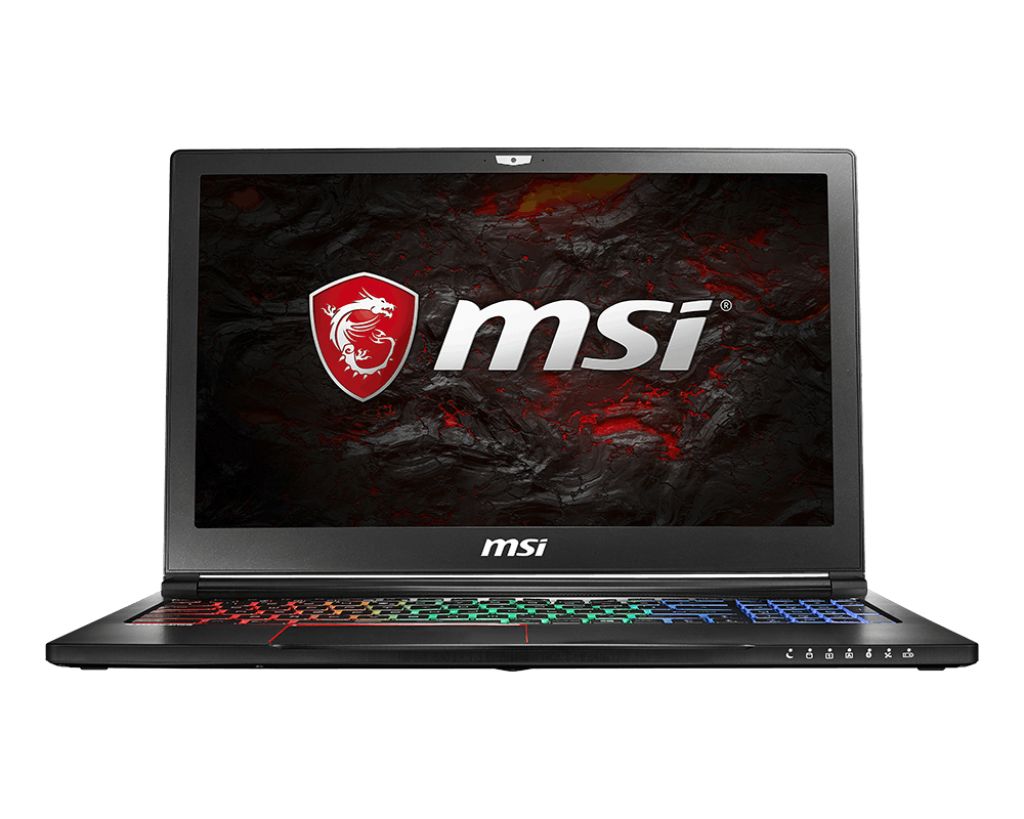
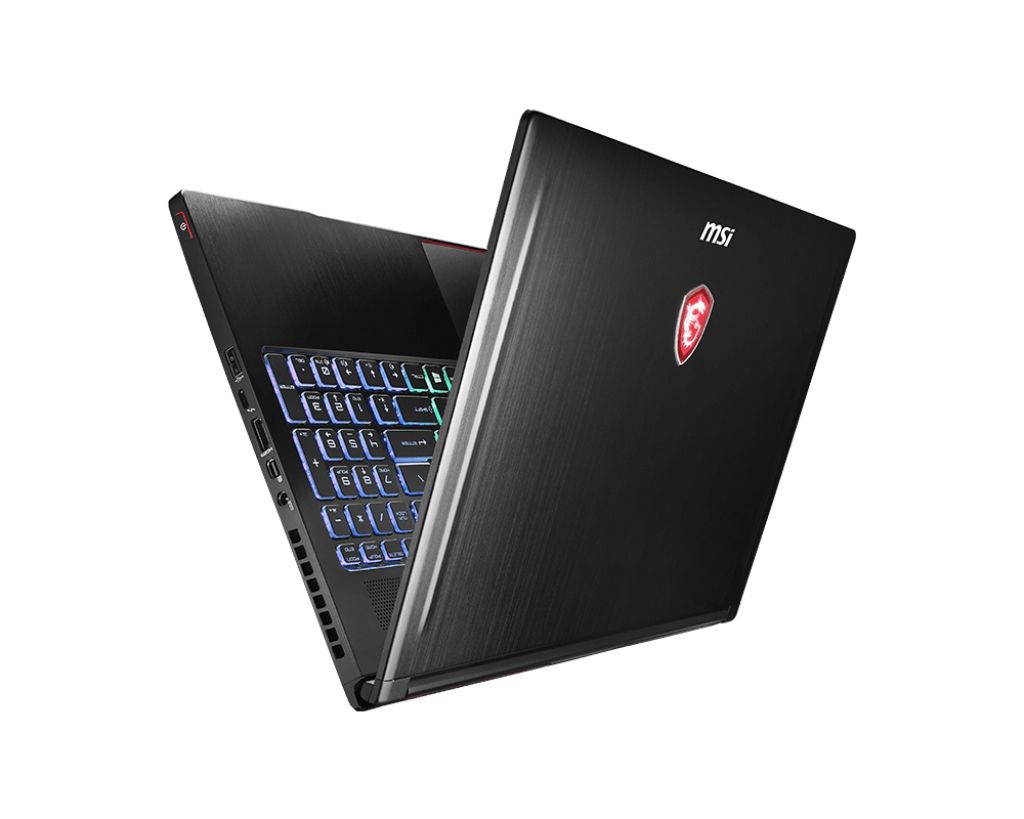
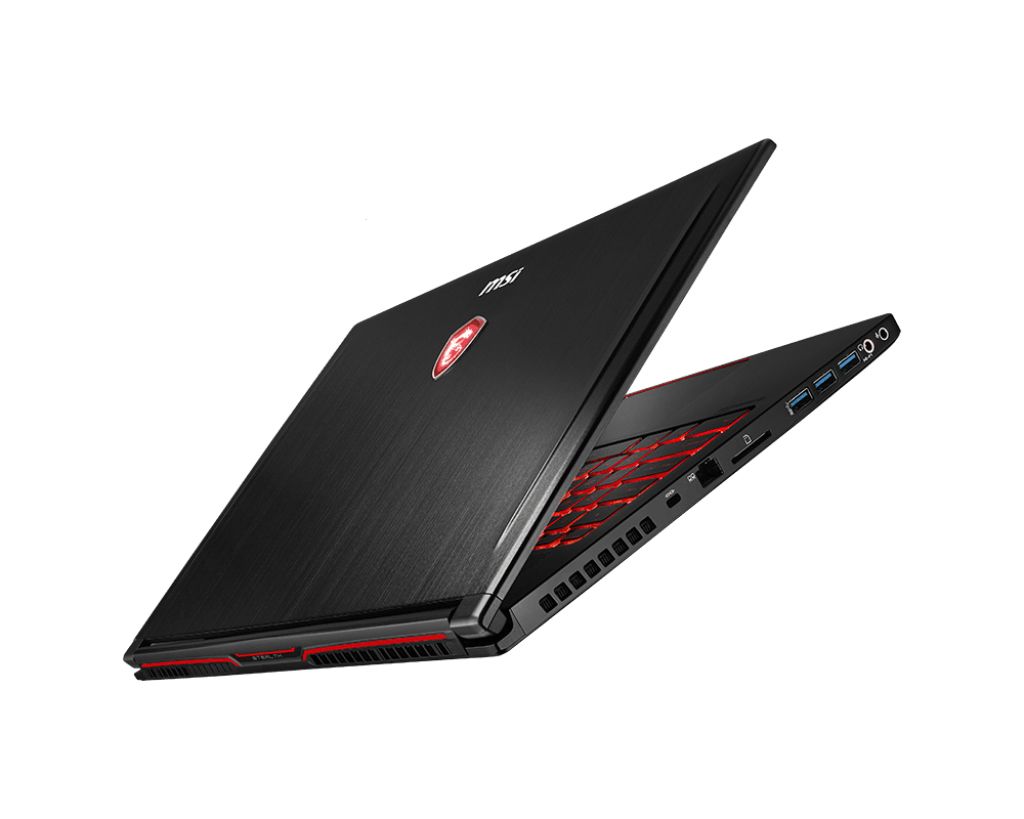
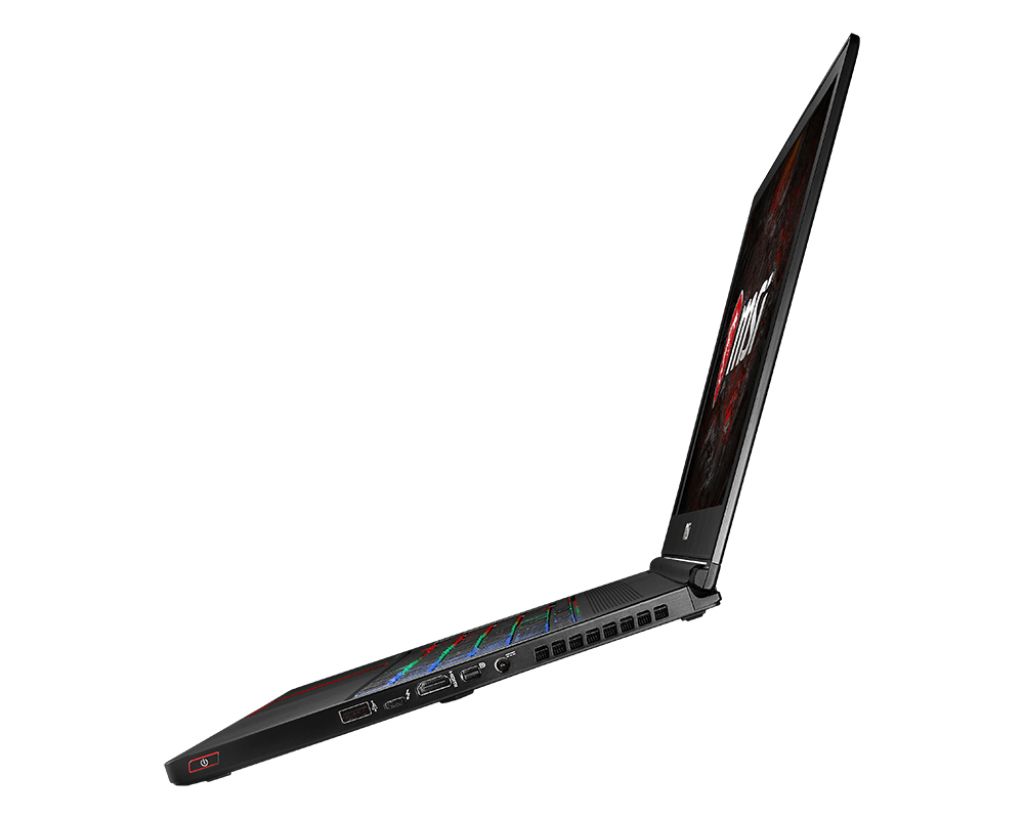
MSI GS63VR 7RG-080NE Stealth Pro gaming laptop supports DDR4-SDRAM memory upgrades. Compatible specifications include 2x SO-DIMM slots with maximum capacity of 32 GB total RAM. Memory operates at 2400 MHz frequency using SO-DIMM form factor. Upgrade options allow installation of DDR4 modules to enhance system performance and multitasking capabilities on MSI Gaming GS series models.
Memory Upgrade Specifications
| Specification | Value |
|---|---|
| Memory slots | 2x SO-DIMM |
| Form factor | SO-DIMM |
| Memory type | DDR4-SDRAM |
| Frequency | 2400 MHz |
| Maximum RAM | 32 GB |
| Voltage | 1.2V |
| Number of pins | 260-pin |
| Interface | PC4 |
| PC Speed Rating | PC4-2400 (PC4-19200) |
| Bandwidth | 19.2 GB/s |
| Laptop Release date | 21 March 2018 |
Additional Notes
- The 2400 MHz frequency specification indicates this system uses DDR4-2400 modules, which represents a mid-range speed tier from the Kaby Lake generation and will not accept faster DDR4-2666 or DDR4-3200 modules without downclocking to the supported speed.
- The 32 GB ceiling confirms compatibility with dual 16 GB SO-DIMM modules, requiring the user to discard existing memory rather than add to it when approaching maximum capacity.
- The SO-DIMM form factor physically prohibits installation of standard desktop DIMM modules, which are 133.35 mm in length compared to the required 67.6 mm laptop form factor.
- The dual-slot configuration creates a bandwidth ceiling at 38.4 GB/s when populated with 2400 MHz modules, which may constrain GPU-intensive applications that rely on shared system memory through the integrated controller.
- Warranty preservation requires non-destructive installation, meaning the MSI GS63VR 7RG-080NE Stealth Pro bottom panel must allow memory access without breaking factory seals on other components.
- Mixed-capacity configurations such as 8 GB plus 16 GB will function but disable dual-channel mode for the unpaired portion, reducing effective bandwidth for the memory addresses above the matched 8 GB threshold.
- The 7th generation Intel chipset in this configuration lacks support for ECC SO-DIMMs, limiting upgrade options to unbuffered non-ECC modules exclusively.
- Thermal considerations become relevant at maximum capacity, as dual 16 GB modules generate more heat than lower-density configurations within the confined chassis ventilation pathway.
- The memory controller voltage is fixed at 1.2V for DDR4 operation, preventing use of DDR3L SO-DIMMs despite physical slot similarity.