MSI Gaming GS63VR 7RG-052ES Stealth Pro RAM upgrade specifications

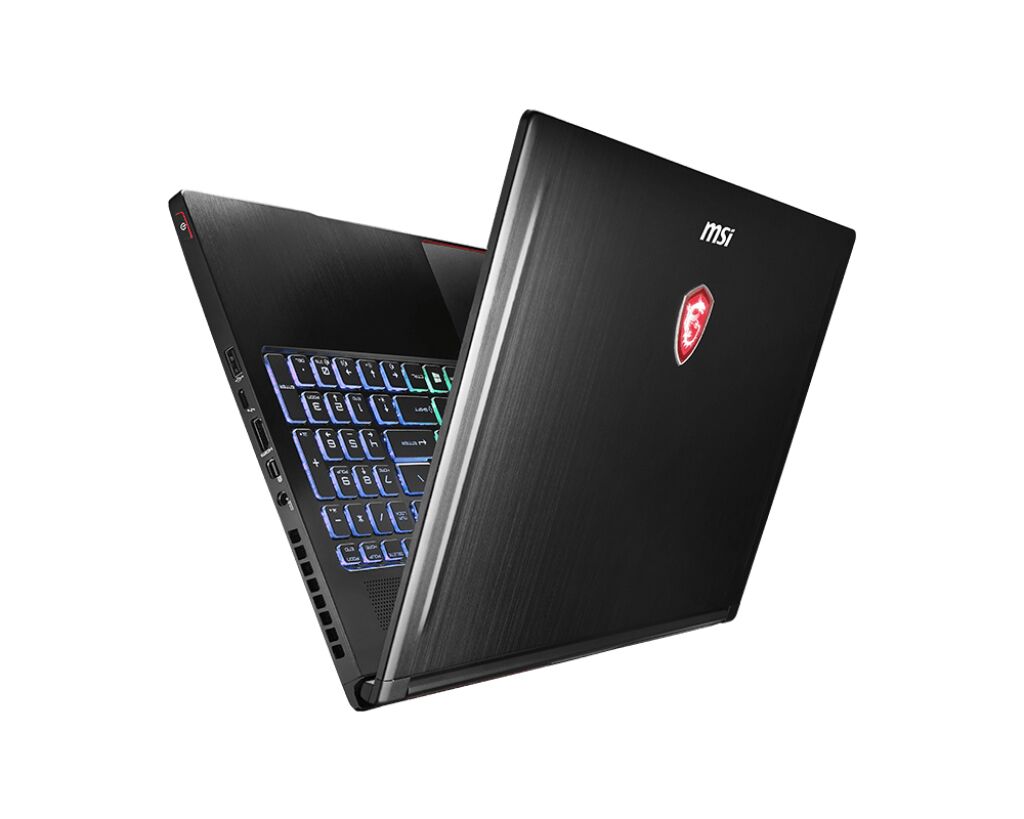

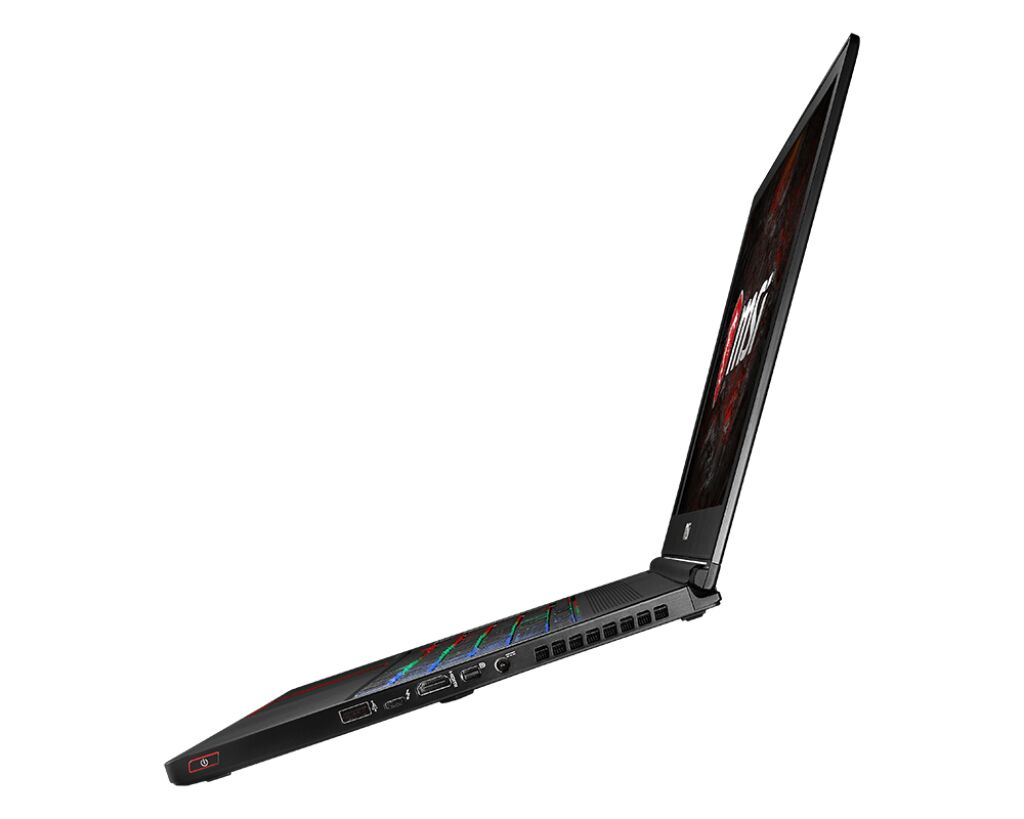
MSI GS63VR 7RG-052ES Stealth Pro gaming laptop specifications indicate DDR4-SDRAM memory upgrade compatibility. The device contains 2x SO-DIMM slots for memory expansion. Maximum RAM capacity reaches 32 GB total. Compatible memory modules operate at 2400 MHz frequency with SO-DIMM form factor. Upgrade specifications detail the memory architecture and expansion capabilities for GS series gaming configuration.
Memory Upgrade Specifications
| Specification | Value |
|---|---|
| Memory slots | 2x SO-DIMM |
| Form factor | SO-DIMM |
| Memory type | DDR4-SDRAM |
| Frequency | 2400 MHz |
| Maximum RAM | 32 GB |
| Voltage | 1.2V |
| Number of pins | 260-pin |
| Interface | PC4 |
| PC Speed Rating | PC4-2400 (PC4-19200) |
| Bandwidth | 19.2 GB/s |
| Laptop Release date | 10 August 2017 |
Additional Notes
- The MSI GS63VR 7RG-052ES Stealth Pro architecture limits total system memory to 32 GB despite DDR4 modules being available in higher capacities, reflecting chipset-level addressing restrictions common to seventh-generation Intel mobile platforms.
- Dual-channel memory operation requires matched module pairs for optimal bandwidth utilization, as asymmetric configurations force the memory controller into single-channel mode for the capacity exceeding the smaller module.
- DDR4-2400 represents the JEDEC standard speed ceiling for this platform, meaning modules rated at higher frequencies will downclock automatically to 2400 MHz regardless of XMP profile availability.
- SO-DIMM physical specifications constrain module height to 30 millimeters, excluding certain high-profile thermal solutions and RGB-equipped memory modules from compatibility consideration.
- The 260-pin SO-DIMM interface prevents installation of desktop DIMM modules, as the notch positioning and contact count differ fundamentally between form factors.
- Memory voltage tolerance typically extends from 1.2 volts standard to 1.35 volts maximum for low-voltage variants, though exceeding reference specifications may trigger thermal throttling in thermally constrained gaming chassis designs.
- Access to memory slots in ultra-thin gaming chassis often requires complete bottom panel removal and possible warranty seal violation, depending on regional service policies and manufacture date.
- Single-rank versus dual-rank module topology affects interleaving efficiency, with dual-rank configurations occasionally providing marginal performance improvements in memory-intensive workloads at identical frequency specifications.
- Non-ECC unbuffered modules constitute the only compatible memory type, as the mobile platform lacks error-correction circuitry and the additional latency from registered modules conflicts with timing requirements.