MSI Gaming GS65 8RF-639MX Stealth Thin RAM upgrade specifications
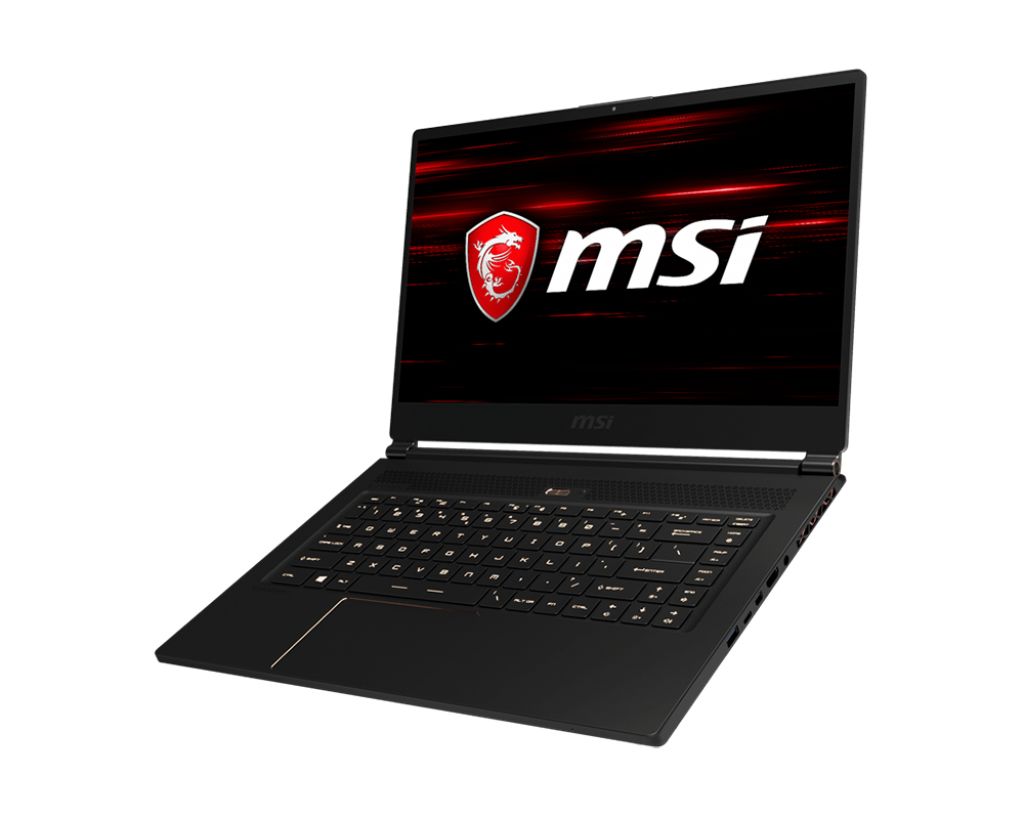
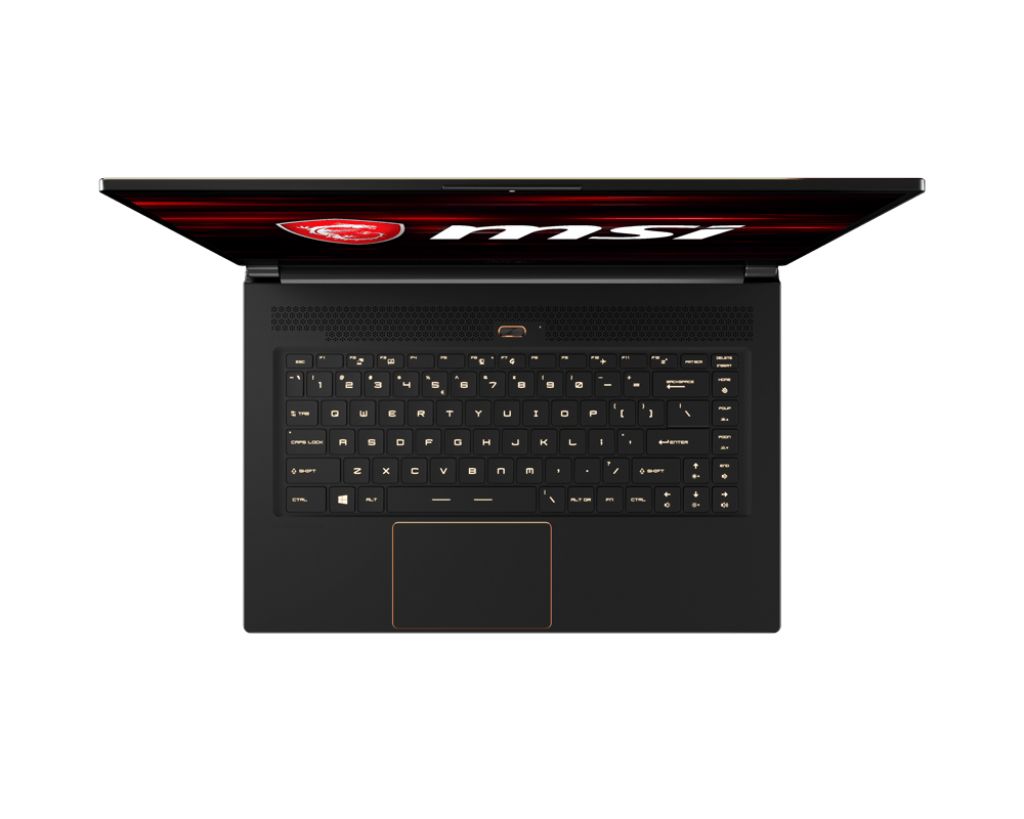
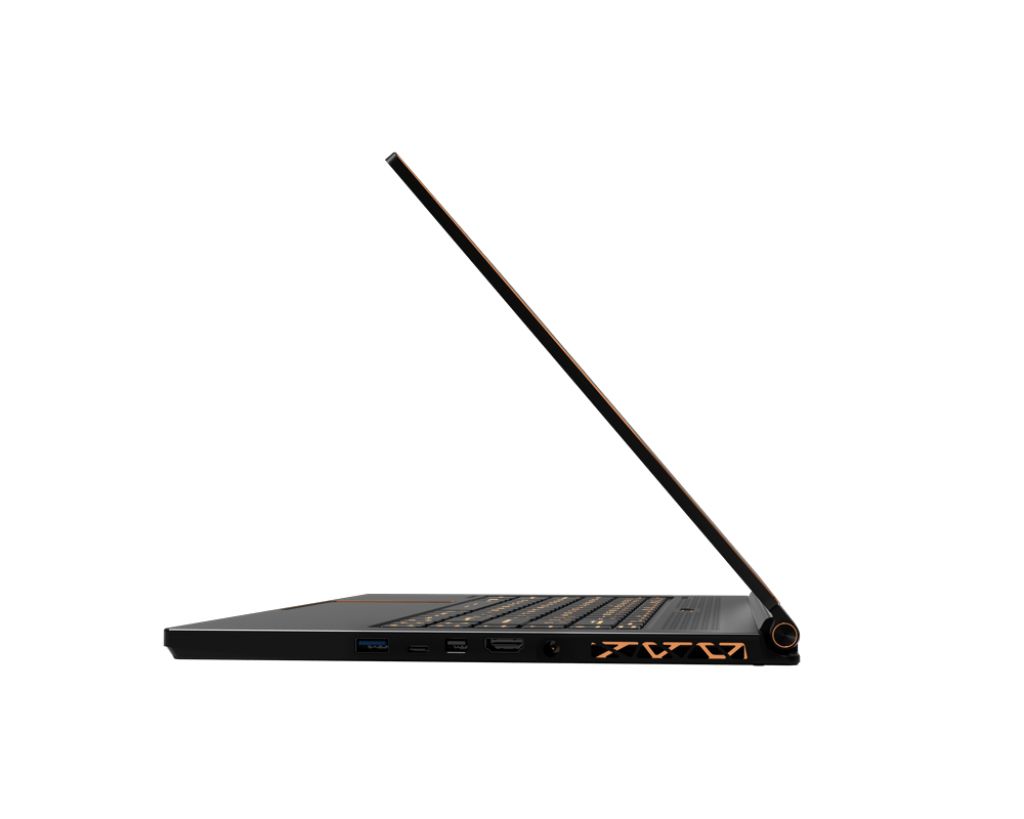

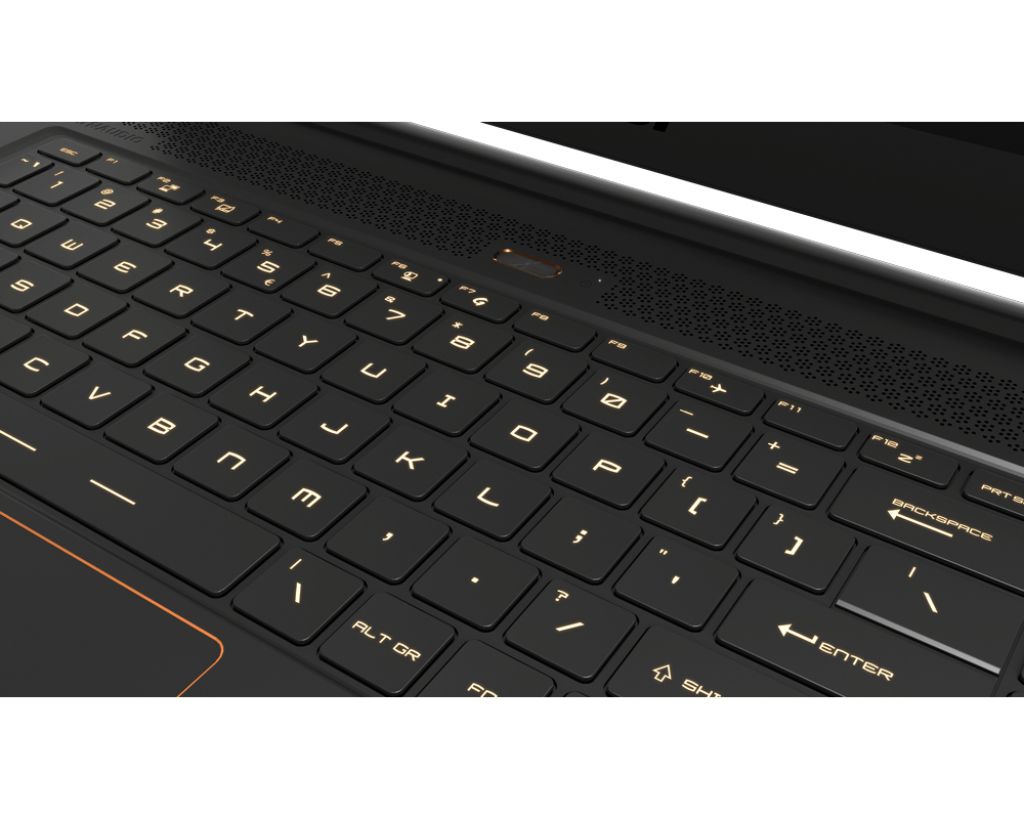
The MSI GS65 8RF-639MX Stealth Thin Gaming series laptop features DDR4-SDRAM memory upgrade specifications with two SO-DIMM slots supporting a maximum RAM capacity of 32 GB. Compatible memory modules operate at 2666 MHz frequency. The upgrade slots accommodate standard SO-DIMM form factor components, enabling users to expand the laptop's memory configuration from the factory baseline to the maximum specifications of 32 GB total capacity.
Memory Upgrade Specifications
| Specification | Value |
|---|---|
| Memory slots | 2x SO-DIMM |
| Form factor | SO-DIMM |
| Memory type | DDR4-SDRAM |
| Frequency | 2666 MHz |
| Maximum RAM | 32 GB |
| Voltage | 1.2V |
| Number of pins | 260-pin |
| Interface | PC4 |
| PC Speed Rating | PC4-2666 (PC4-21328) |
| Bandwidth | 21.3 GB/s |
| Laptop Release date | 10 June 2019 |
Additional Notes
- The MSI GS65 8RF-639MX Stealth Thin accommodates only 2 SO-DIMM slots, eliminating staged upgrade strategies; expansion requires full module replacement rather than incremental additions.
- DDR4-2666 MHz specification indicates the system operates at entry-level DDR4 speeds; newer DDR4-3200 or faster modules will downclock to 2666 MHz, negating performance gains from higher-frequency purchases.
- 32 GB maximum capacity represents a ceiling imposed by BIOS/chipset architecture; third-party 16 GB SO-DIMM modules cannot be paired to exceed this limit, regardless of availability.
- SO-DIMM form factor demands laptop-specific memory; standard desktop DDR4 modules are physically incompatible and cannot be adapted with external solutions.
- Single memory slot failure creates critical functional impact; the 2-slot configuration lacks redundancy pathways common in multi-slot designs, making hardware diagnostics essential before replacement.
- Warranty coverage typically remains intact only when using memory modules meeting the original 2666 MHz specification; substituting faster or non-standard variants risks voiding manufacturer support without performance benefit.
- The thin chassis design constrains SO-DIMM height tolerances; some aftermarket modules with heatspreaders may encounter clearance conflicts with internal components near the slot assembly.