MSI Gaming GS65 8SE Stealth RAM upgrade specifications
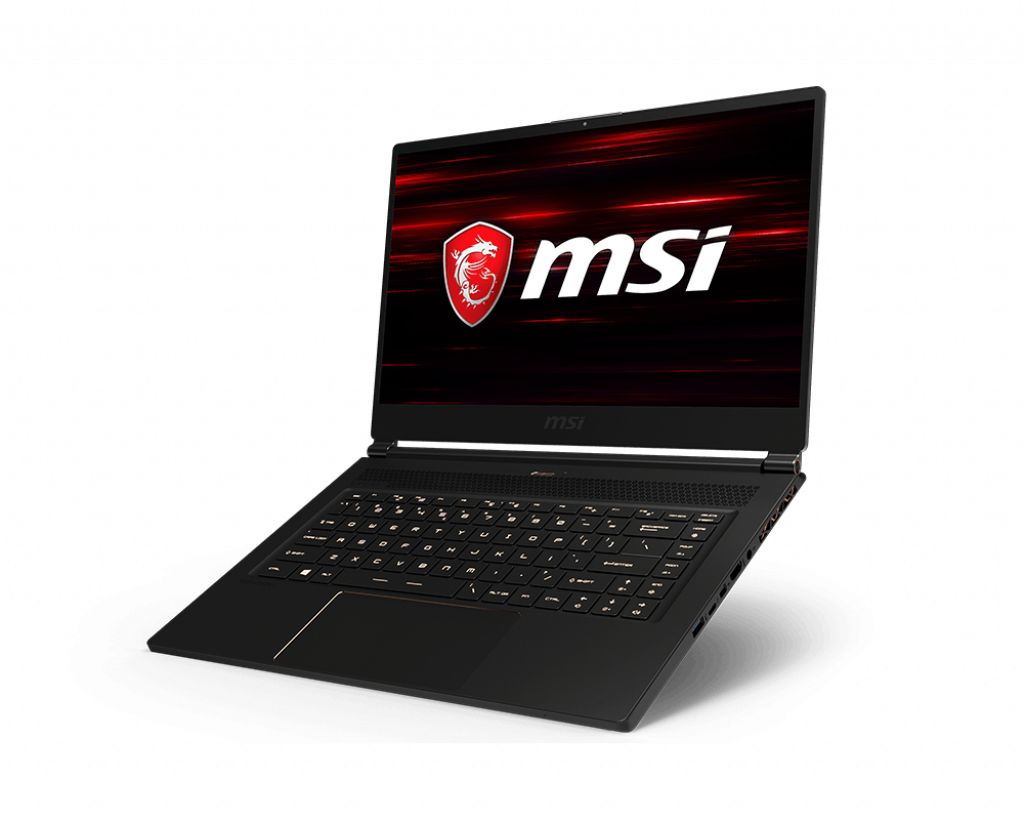
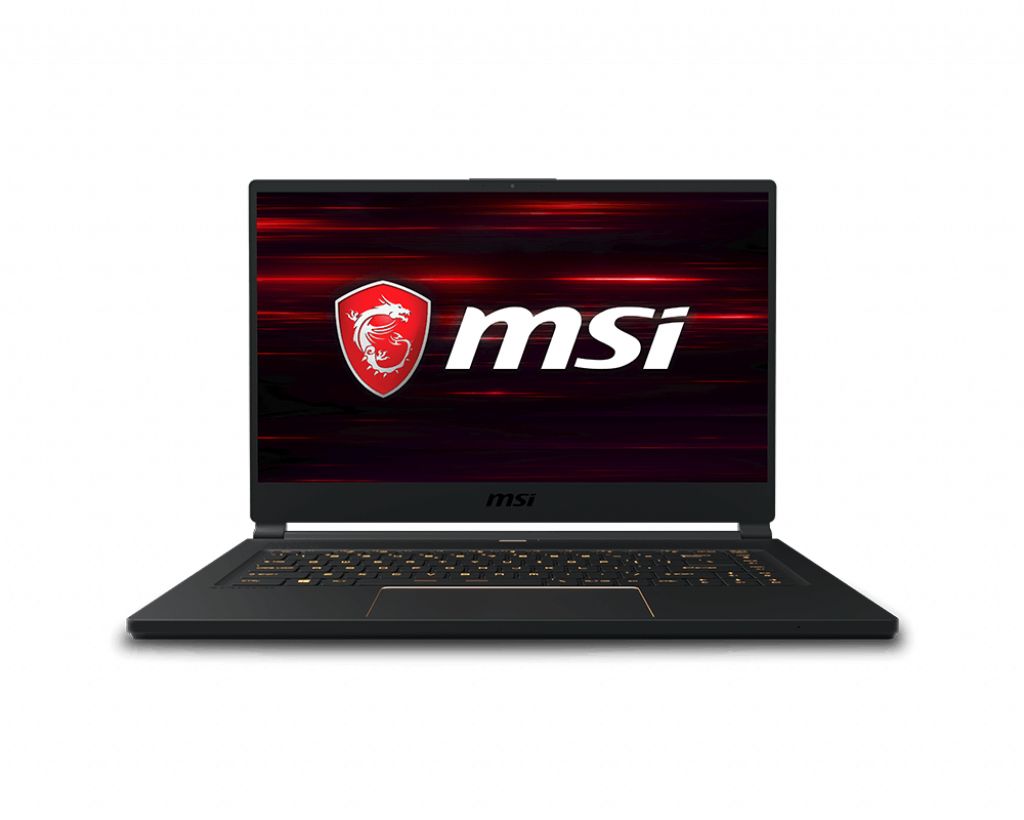
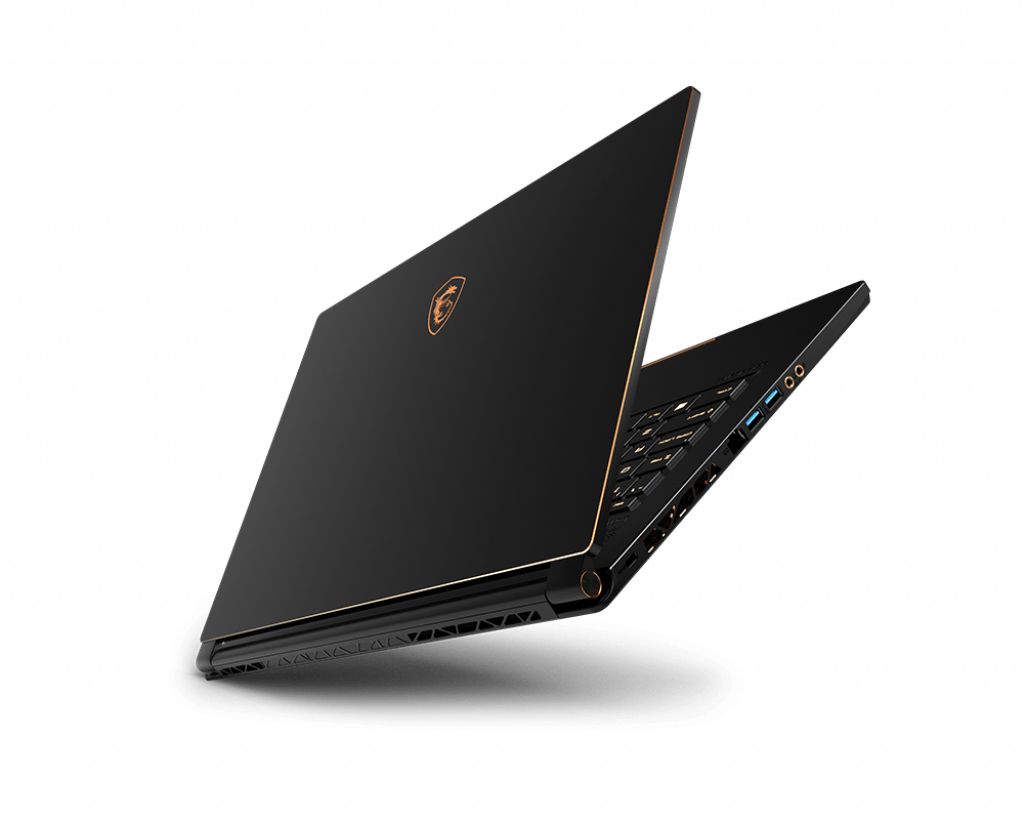

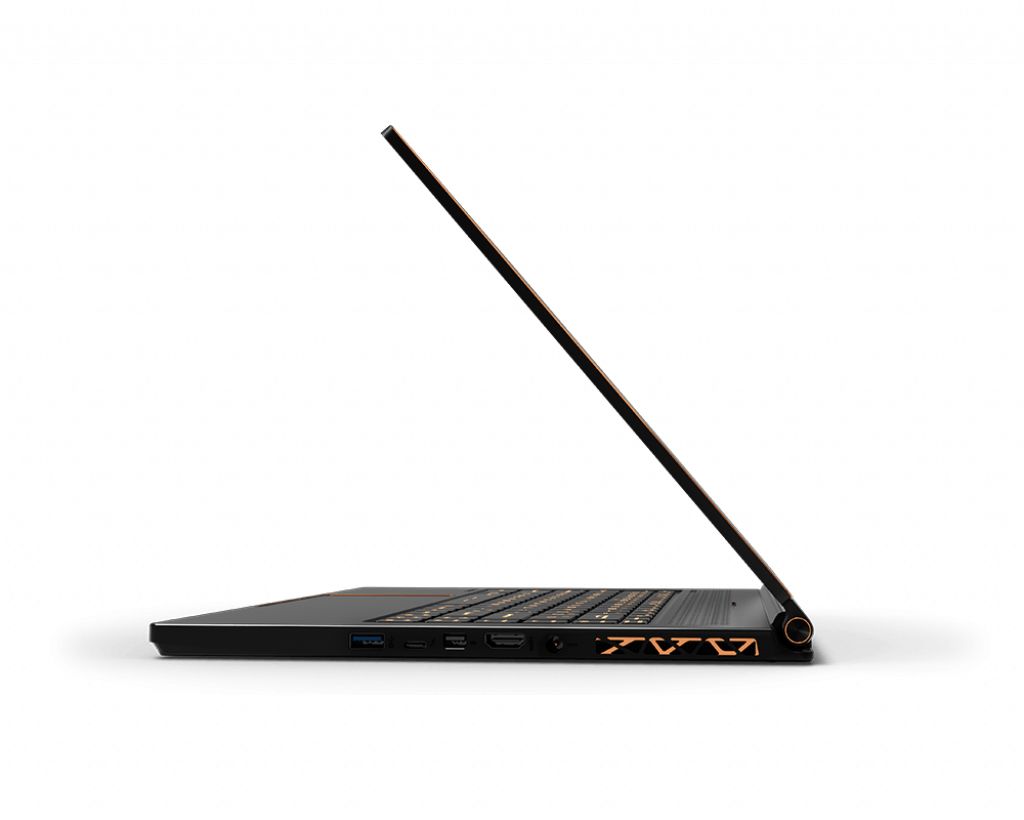
The MSI GS65 8SE Stealth gaming laptop features DDR4-SDRAM memory with two SO-DIMM slots supporting maximum RAM capacity of 32 GB. The upgrade specifications indicate compatible memory modules operate at 2666 MHz frequency. The GS series gaming model supports memory expansion through dual SO-DIMM slots, allowing users to upgrade from factory configurations up to the maximum 32 GB total capacity. Specifications confirm DDR4-SDRAM compatibility and SO-DIMM form factor for memory module installation on the MSI GS65 8SE Stealth platform.
Memory Upgrade Specifications
| Specification | Value |
|---|---|
| Memory slots | 2x SO-DIMM |
| Form factor | SO-DIMM |
| Memory type | DDR4-SDRAM |
| Frequency | 2666 MHz |
| Maximum RAM | 32 GB |
| Voltage | 1.2V |
| Number of pins | 260-pin |
| Interface | PC4 |
| PC Speed Rating | PC4-2666 (PC4-21328) |
| Bandwidth | 21.3 GB/s |
| Laptop Release date | 25 May 2019 |
Additional Notes
- The MSI GS65 8SE Stealth utilizes SO-DIMM modules, which are physically smaller than standard DIMM and incompatible with desktop memory configurations.
- The 2666 MHz frequency specification represents the official maximum supported speed, meaning modules rated at higher frequencies will downclock to this baseline during operation.
- With 2 slots available and a 32 GB ceiling, the maximum configuration requires 2 modules of 16 GB each, as single 32 GB SO-DIMM modules would exceed the per-slot capacity limit.
- DDR4 operates at lower voltage than DDR3, making previous-generation modules electrically incompatible regardless of physical form factor similarity.
- Dual-channel architecture necessitates matched module pairs for optimal memory bandwidth utilization, particularly relevant for integrated graphics performance.
- The SO-DIMM slots typically remain accessible through a bottom panel, though warranty seals may be present depending on regional regulations and manufacturing date.
- Memory speed below 2666 MHz will function but may create performance asymmetry if mixed with correctly-rated modules in the second slot.
- The 32 GB limit stems from chipset addressing constraints rather than physical slot restrictions, making theoretical overprovisioning non-functional.
- Non-ECC unbuffered memory represents the standard specification for consumer laptops, as ECC SO-DIMM modules would fail POST initialization.
- Thermal considerations in thin gaming chassis may favor lower-profile heat spreaders on aftermarket modules to prevent interference with adjacent components.