MSI Gaming GS65 8SE-027BE Stealth RAM upgrade specifications
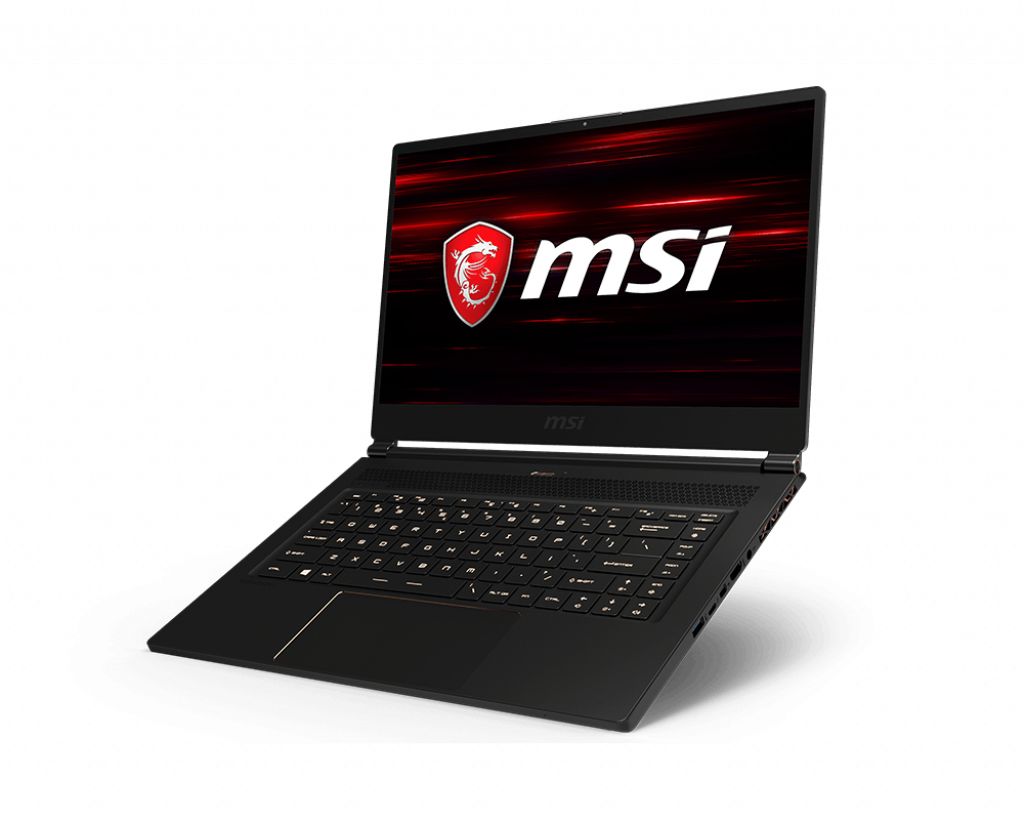



The MSI GS65 8SE-027BE Stealth gaming laptop features two SO-DIMM slots supporting DDR4-SDRAM memory modules. Maximum RAM capacity reaches 32 GB total with compatible modules operating at 2666 MHz frequency. Upgrade specifications indicate SO-DIMM form factor memory is required for this MSI Gaming GS series model. Standard configuration allows incremental memory expansion up to the maximum supported capacity through replacement or addition of compatible DDR4 modules in available slots.
Memory Upgrade Specifications
| Specification | Value |
|---|---|
| Memory slots | 2x SO-DIMM |
| Form factor | SO-DIMM |
| Memory type | DDR4-SDRAM |
| Frequency | 2666 MHz |
| Maximum RAM | 32 GB |
| Voltage | 1.2V |
| Number of pins | 260-pin |
| Interface | PC4 |
| PC Speed Rating | PC4-2666 (PC4-21328) |
| Bandwidth | 21.3 GB/s |
| Laptop Release date | 31 January 2019 |
Additional Notes
- The MSI GS65 8SE-027BE Stealth accepts standard 260-pin SO-DIMM modules, which differ physically from desktop DIMM modules and cannot be interchanged.
- DDR4-SDRAM operates at a lower voltage than DDR3, preventing backward compatibility with older generation memory technologies.
- The 2666 MHz frequency represents the maximum supported speed, meaning modules rated at higher frequencies will automatically downclock to this specification.
- Installing modules with mismatched speeds across the 2 slots will force both modules to operate at the lower frequency, potentially degrading system performance.
- The 32 GB ceiling requires 2 modules of 16 GB each, as single module configurations would leave half the available bandwidth unutilized.
- Dual-channel operation depends on populating both slots with identically specified modules to enable symmetric memory access patterns.
- Non-identical module configurations may trigger single-channel mode, effectively halving memory bandwidth from the chipset to the CPU.
- The SO-DIMM form factor typically requires accessing the bottom panel of the chassis, which may involve removing multiple screws and potentially breaking warranty seals.
- Electrostatic discharge during installation can damage the memory controller integrated into the processor, necessitating proper grounding procedures.
- Operating beyond the 32 GB specification may prevent POST completion or cause the system to recognize only a portion of the installed capacity.
- Thermal considerations within the compact chassis design may affect memory stability under sustained workloads, particularly with higher-density modules.
- Mixing modules from different manufacturers can introduce timing incompatibilities even when frequency ratings match, potentially causing boot failures or system instability.