MSI Gaming GS65 8SE-025NL Stealth RAM upgrade specifications
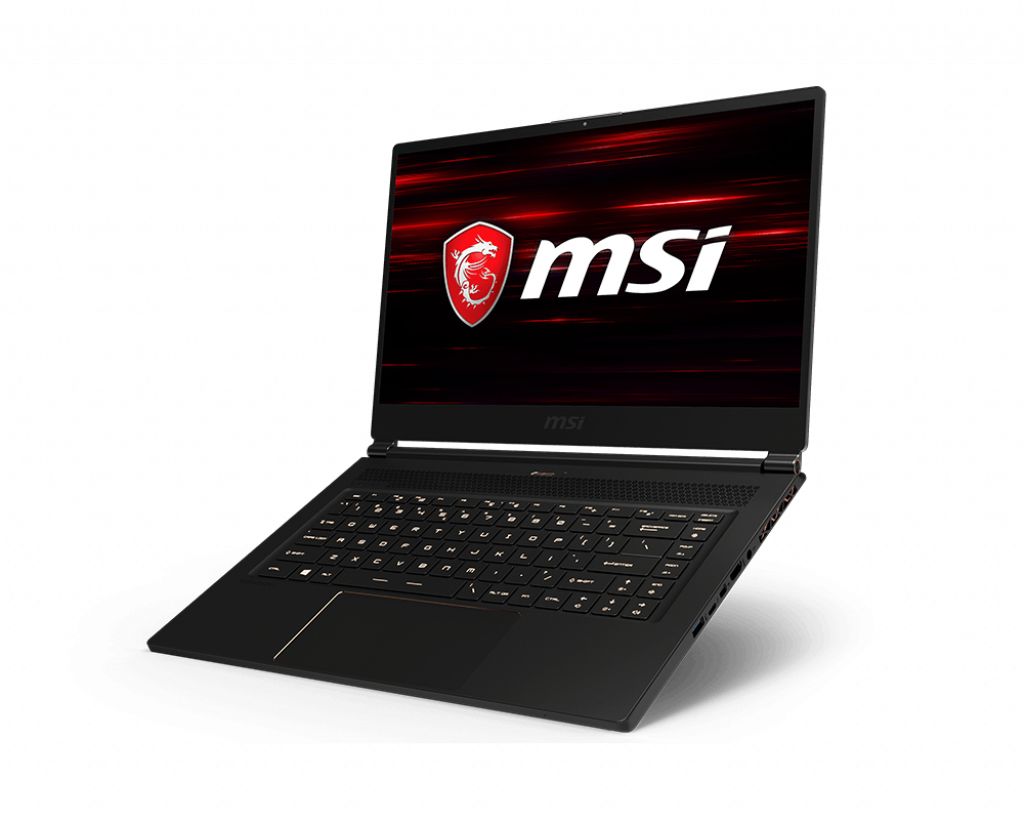
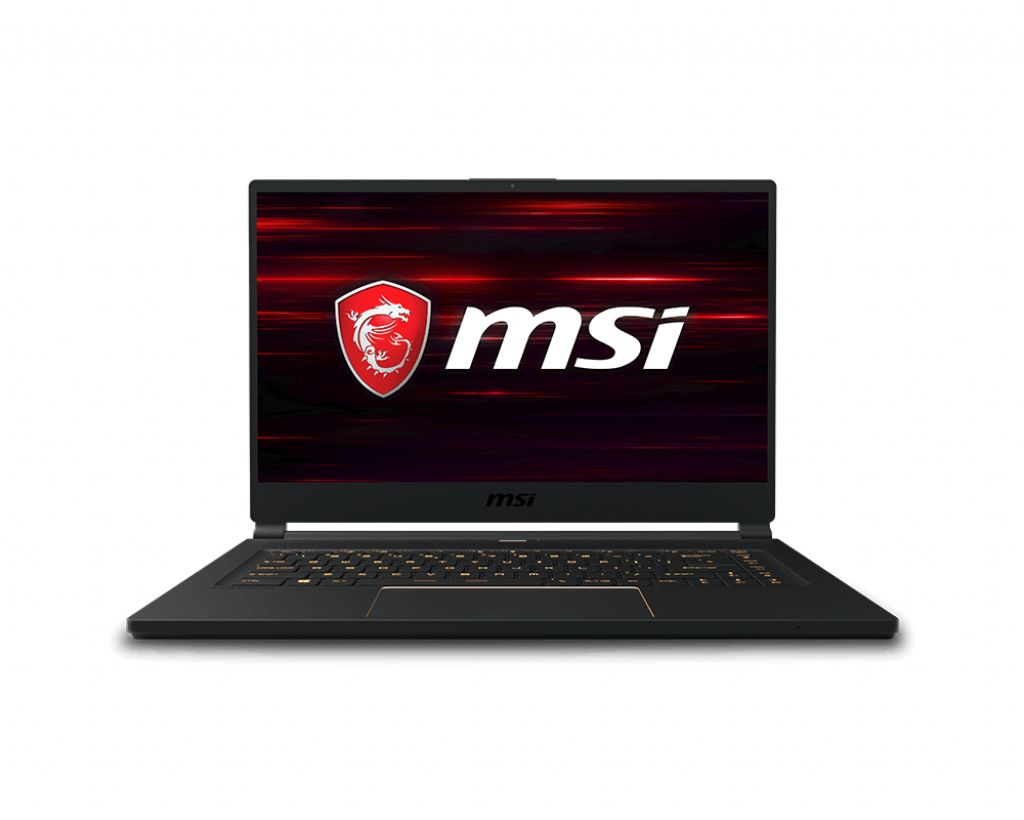
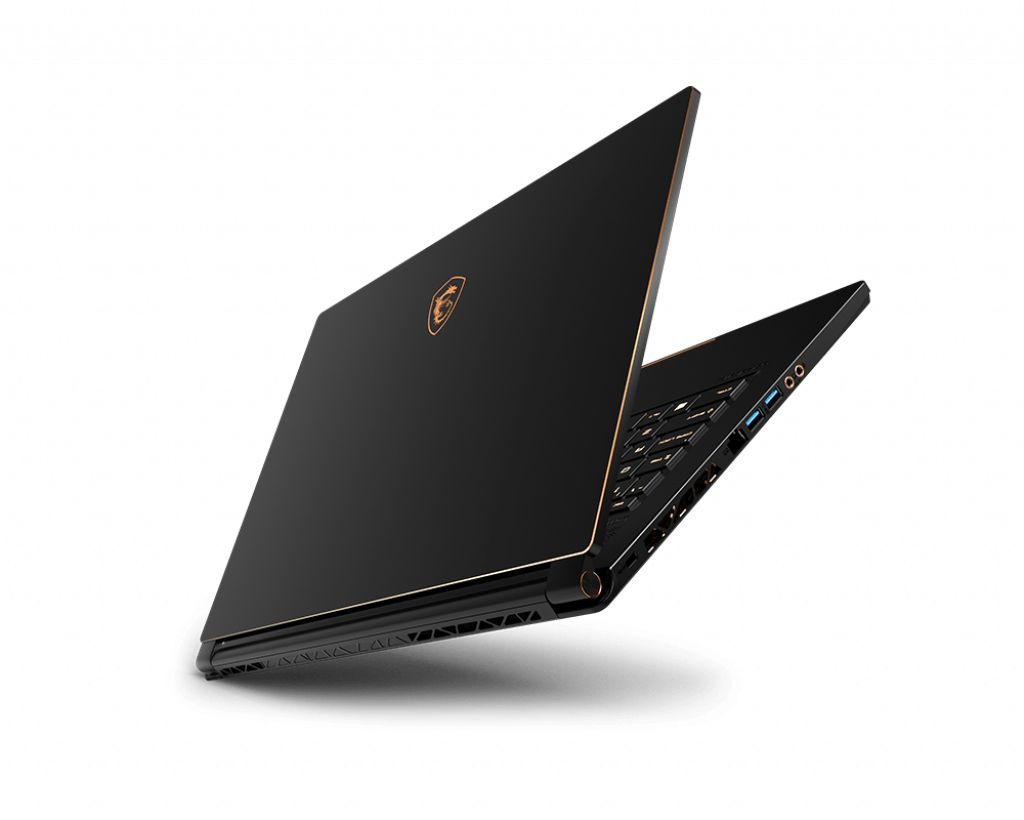
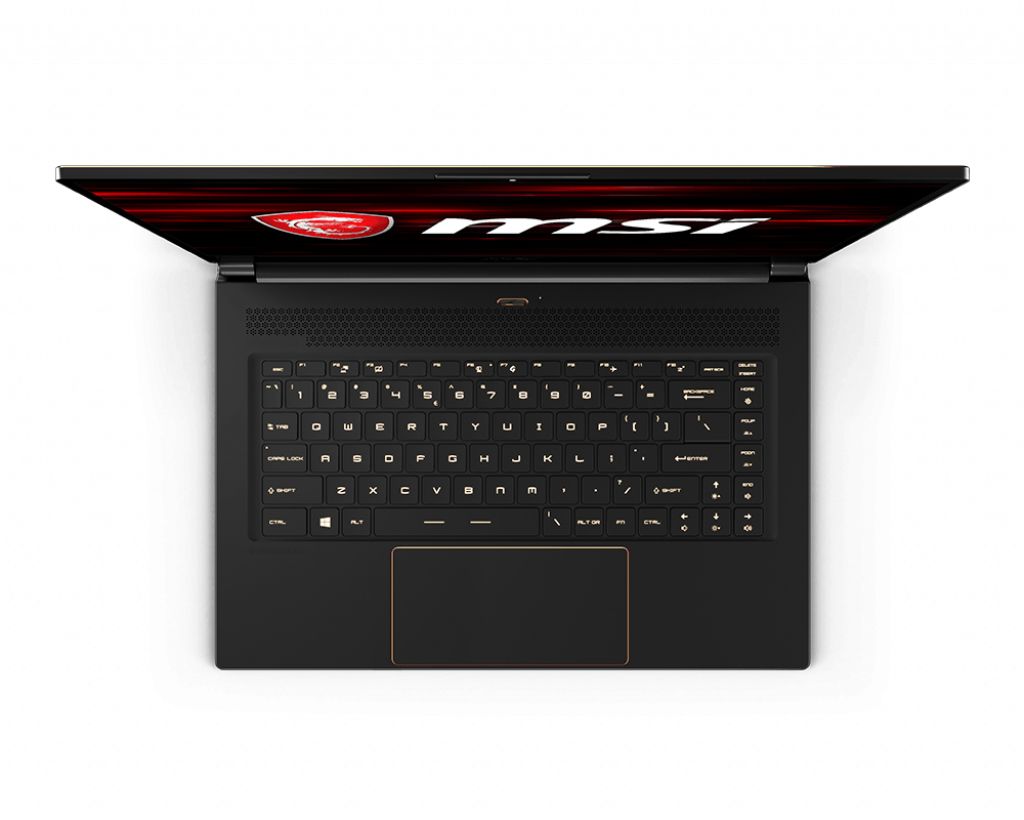
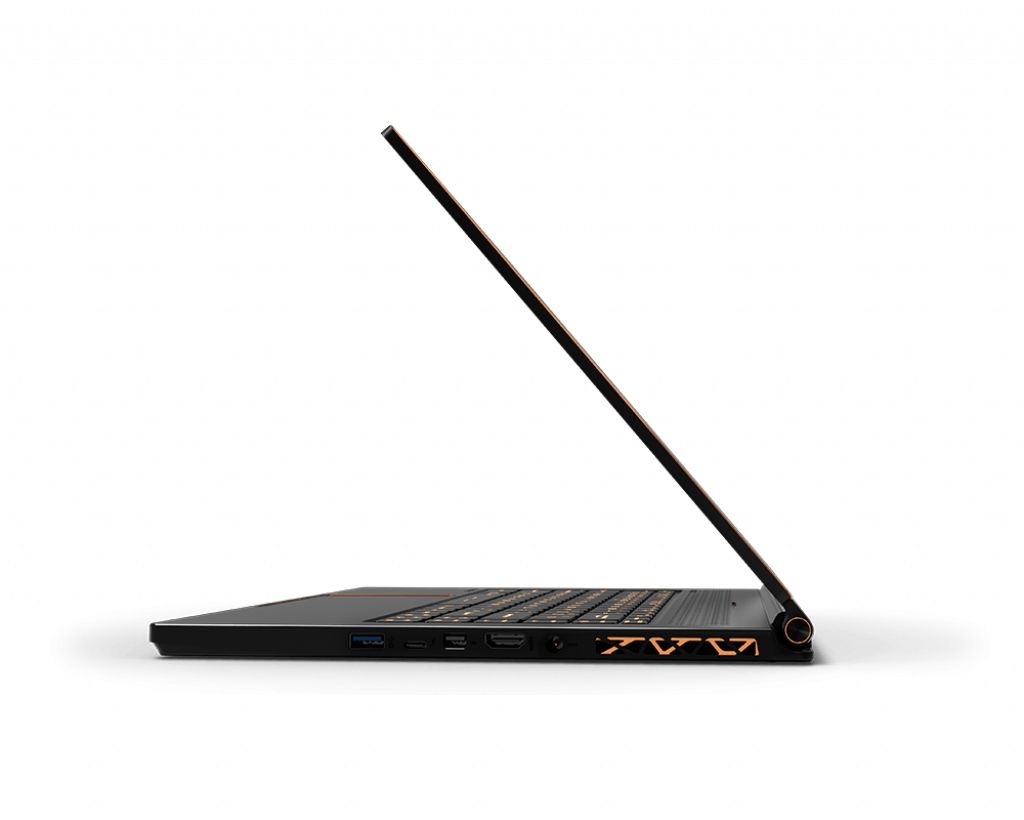
The MSI GS65 8SE-025NL Stealth gaming laptop features DDR4-SDRAM memory specifications supporting upgrade capacity. The system includes 2x SO-DIMM slots for memory expansion, accommodating a maximum of 32 GB total RAM. Compatible memory modules operate at 2666 MHz frequency with SO-DIMM form factor. Specifications indicate available upgrade slots for enhanced system performance and multitasking capabilities on the MSI GS Gaming series platform.
Memory Upgrade Specifications
| Specification | Value |
|---|---|
| Memory slots | 2x SO-DIMM |
| Form factor | SO-DIMM |
| Memory type | DDR4-SDRAM |
| Frequency | 2666 MHz |
| Maximum RAM | 32 GB |
| Voltage | 1.2V |
| Number of pins | 260-pin |
| Interface | PC4 |
| PC Speed Rating | PC4-2666 (PC4-21328) |
| Bandwidth | 21.3 GB/s |
| Laptop Release date | 31 January 2019 |
Additional Notes
- The MSI GS65 8SE-025NL Stealth supports DDR4-SDRAM at 2666 MHz, which represents a performance ceiling below contemporary high-speed memory standards (3200 MHz+). Upgrading to faster DDR4 modules will not improve performance due to the BIOS/controller speed limitation at 2666 MHz.
- The 2x SO-DIMM configuration means both memory slots must be populated to achieve the 32 GB maximum. Replacing a single module leaves the system with asymmetrical memory capacity but does not create compatibility issues.
- SO-DIMM form factor is exclusive to mobile systems and cannot be repurposed in desktop configurations. Replacement modules must specifically carry the SO-DIMM designation.
- Memory bandwidth becomes a secondary bottleneck when pairing with discrete GPUs (typical in this gaming series). The 2666 MHz frequency may reduce frame rates by 3-8% compared to DDR4-3200 configurations under memory-intensive workloads, though CPU-bound gaming scenarios show negligible impact.
- Upgrading to 32 GB requires replacing both factory modules, as the 2-slot architecture offers no room for mixed-capacity configurations without wasting addressable memory.
- Thermal management in thin gaming laptops constrains memory module selection. High-profile heat spreaders on aftermarket DDR4 modules may not fit clearance tolerances around the CPU socket area; low-profile SO-DIMM variants are required.