MSI Gaming GS65 8SE N18E-G1 Stealth RAM upgrade specifications




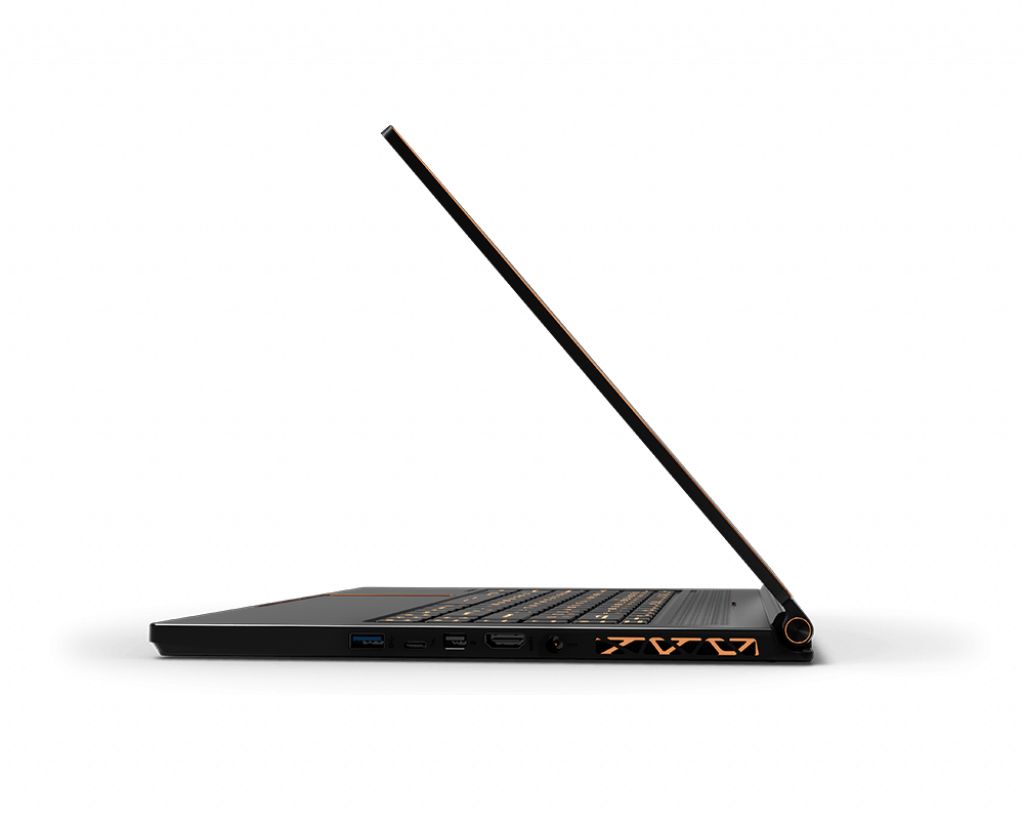
The MSI GS65 8SE N18E-G1 Stealth gaming laptop features DDR4-SDRAM memory with two SO-DIMM slots supporting maximum capacity of 32 GB. Memory upgrade specifications indicate compatible DDR4 modules operating at 2666 MHz frequency. The GS series supports SO-DIMM form factor configuration, enabling users to expand RAM capacity by replacing or supplementing existing memory modules. Specifications confirm upgrade compatibility with standard DDR4-SDRAM components meeting the designated frequency and slot requirements for the Stealth N18E-G1 model.
Memory Upgrade Specifications
| Specification | Value |
|---|---|
| Memory slots | 2x SO-DIMM |
| Form factor | SO-DIMM |
| Memory type | DDR4-SDRAM |
| Frequency | 2666 MHz |
| Maximum RAM | 32 GB |
| Voltage | 1.2V |
| Number of pins | 260-pin |
| Interface | PC4 |
| PC Speed Rating | PC4-2666 (PC4-21328) |
| Bandwidth | 21.3 GB/s |
| Laptop Release date | 28 March 2019 |
Additional Notes
- The 32 GB ceiling reflects Intel 8th generation mobile chipset limitations rather than physical slot restrictions, preventing future expansion beyond this threshold regardless of higher-density module availability.
- DDR4-2666 represents the maximum validated speed for the MSI GS65 8SE N18E-G1 Stealth platform, meaning faster modules rated at 2933 MHz or 3200 MHz will automatically downclock to 2666 MHz and offer no performance advantage.
- Both SO-DIMM slots must be populated with identical capacity and speed modules to enable dual-channel mode, as mismatched configurations force single-channel operation with approximately 30% memory bandwidth reduction in GPU-intensive tasks.
- Single-rank versus dual-rank module architecture affects integrated graphics performance, with dual-rank configurations providing marginally better frame rates in titles relying on system memory for VRAM allocation.
- Voltage specifications are fixed at 1.2V for DDR4 standards, eliminating low-voltage DDR4L compatibility concerns but also preventing undervolting strategies to reduce thermal output in the slim chassis.
- SO-DIMM module height variations rarely cause clearance issues, though modules with excessive heat spreader designs may interfere with the bottom panel reassembly in this 17.9 mm thin form factor.
- Accessing the memory slots requires complete bottom cover removal rather than a dedicated service door, necessitating careful cable management during reinstallation to avoid damaging the battery connector.
- Non-ECC unbuffered modules are required for consumer platform compatibility, as registered or error-correcting memory types will prevent POST completion.
- Mixing modules from different manufacturers with varying latency timings can trigger stability issues during sustained workloads, even when speed and capacity specifications match.
- The 2666 MHz frequency operates at JEDEC standard timings of CL19, while aftermarket modules advertising CL15 or CL16 require XMP profile support absent from this mobile platform.