MSI Gaming GS65 8SF-086NE Stealth RAM upgrade specifications
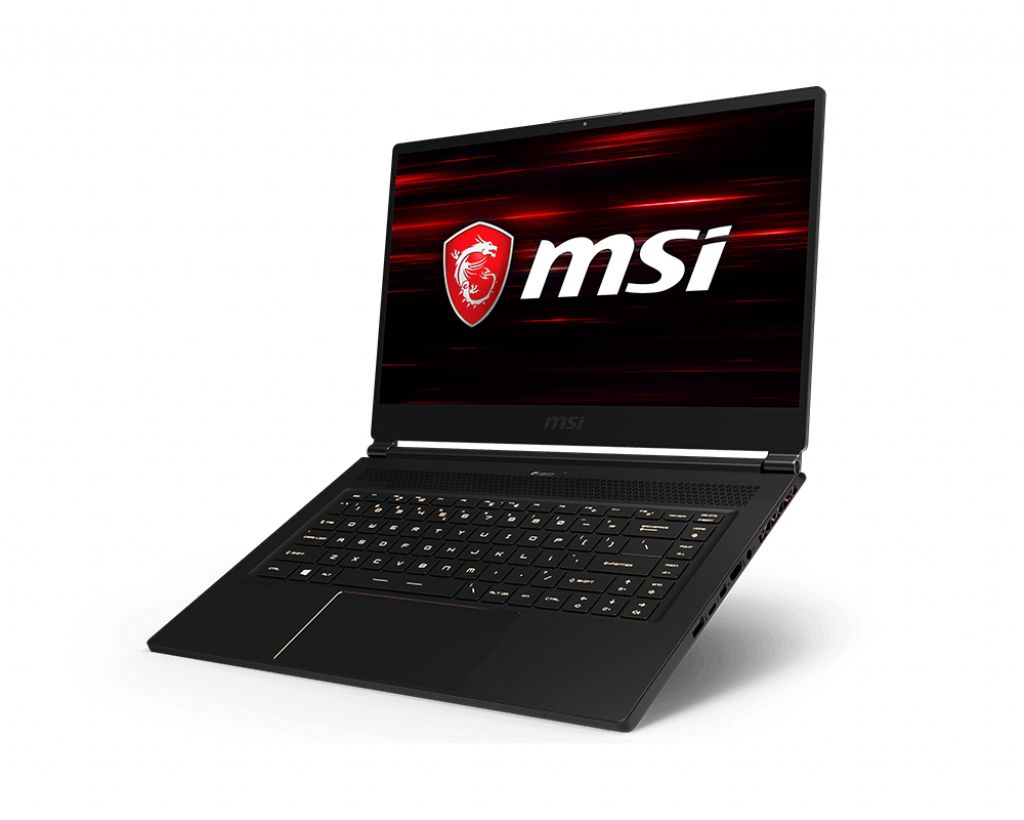
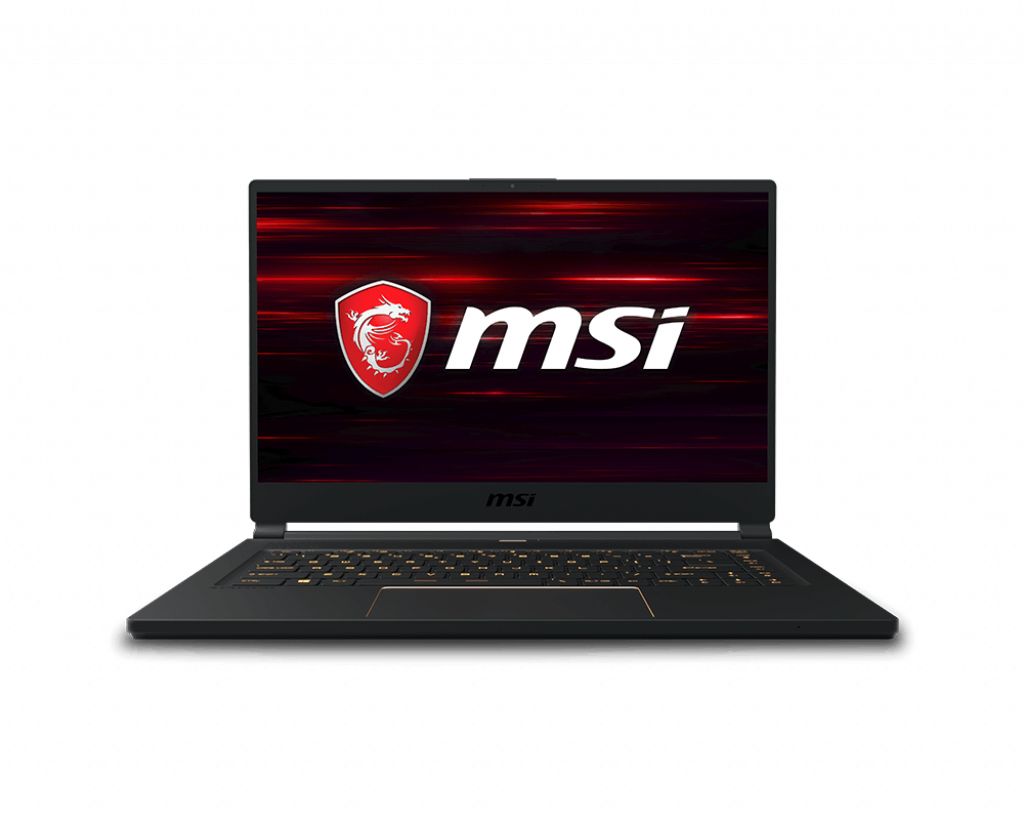
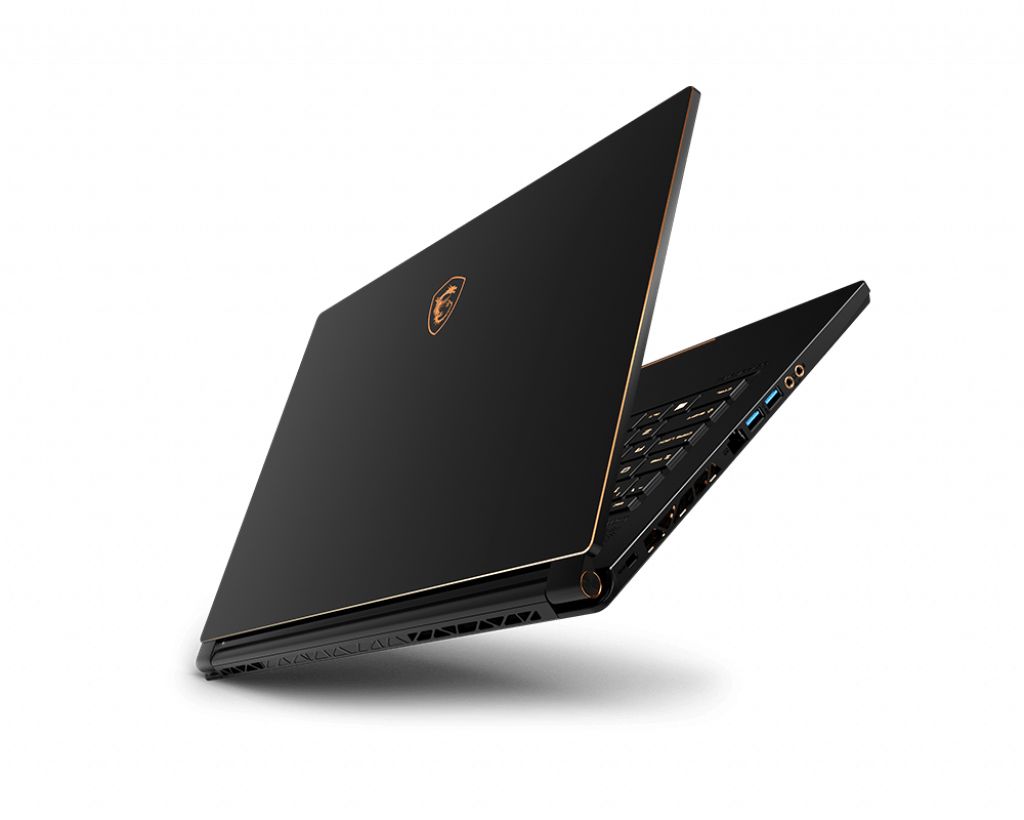
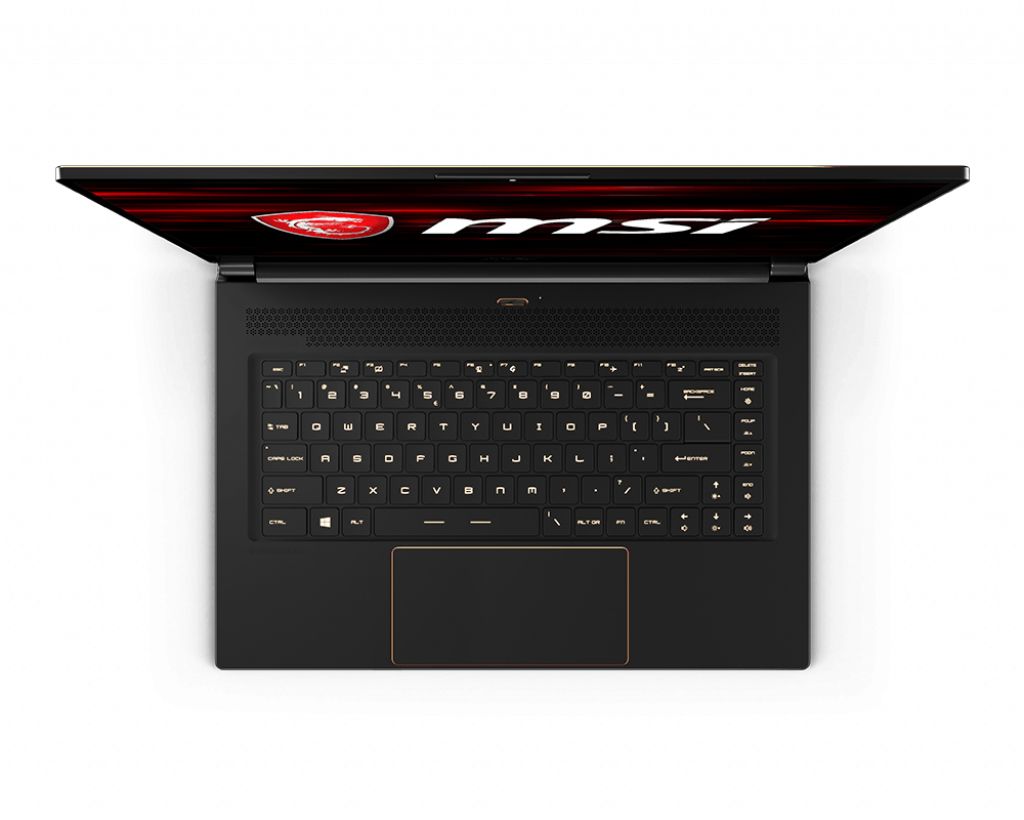
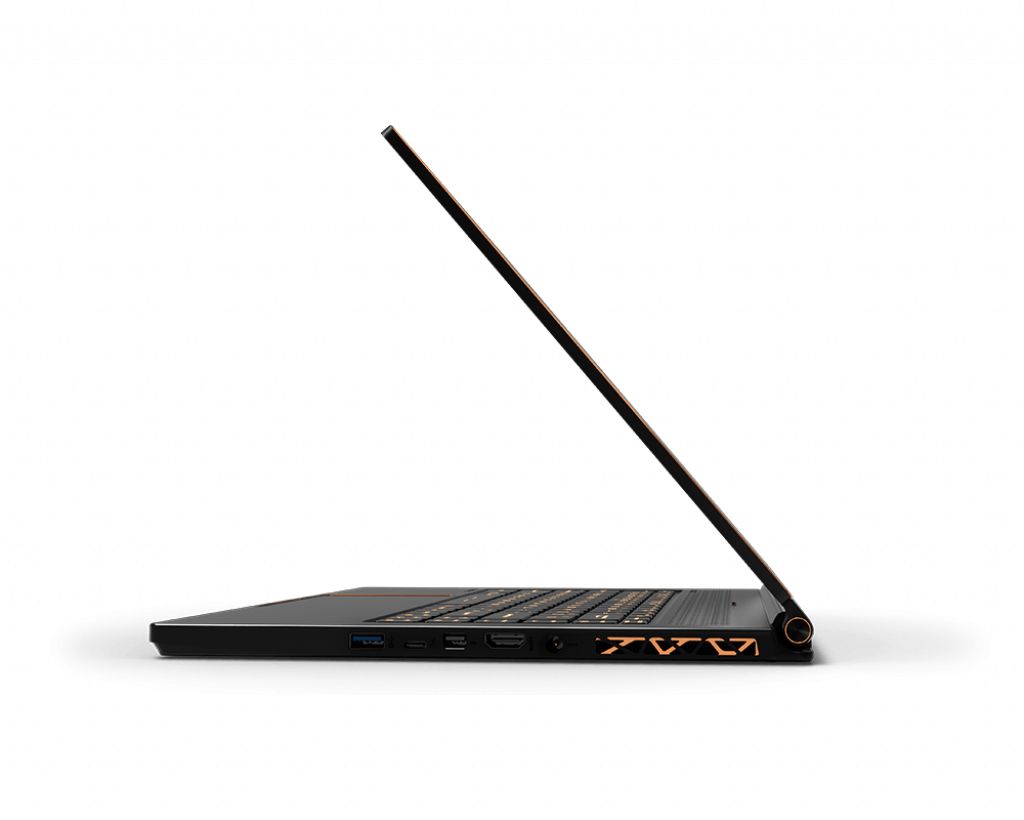
The MSI GS65 8SF-086NE Stealth gaming laptop supports DDR4-SDRAM memory upgrades. The device features 2x SO-DIMM slots for memory expansion, with maximum RAM capacity of 32 GB. Compatible memory modules operate at 2666 MHz frequency. Specifications indicate SO-DIMM form factor memory modules are required for upgrade compatibility with the MSI Gaming GS series model.
Memory Upgrade Specifications
| Specification | Value |
|---|---|
| Memory slots | 2x SO-DIMM |
| Form factor | SO-DIMM |
| Memory type | DDR4-SDRAM |
| Frequency | 2666 MHz |
| Maximum RAM | 32 GB |
| Voltage | 1.2V |
| Number of pins | 260-pin |
| Interface | PC4 |
| PC Speed Rating | PC4-2666 (PC4-21328) |
| Bandwidth | 21.3 GB/s |
| Laptop Release date | 18 April 2019 |
Additional Notes
- The MSI GS65 8SF-086NE Stealth supports DDR4 SO-DIMM modules exclusively, making DDR3 or DDR5 modules incompatible regardless of physical form factor.
- Both memory slots accept standard 260-pin SO-DIMM modules, eliminating compatibility concerns with desktop-sized DIMM variants.
- The 32 GB ceiling translates to a maximum configuration of 2x16 GB modules, as single 32 GB SO-DIMM modules would exceed the controller's addressable capacity.
- Operating frequency locks at 2666 MHz through the memory controller, causing higher-rated modules such as DDR4-3200 to downclock automatically without performance gain.
- Dual-channel architecture requires matched module pairs for optimal bandwidth utilization, as mismatched capacities force the controller into single-channel mode for the excess capacity.
- Chassis access typically involves bottom panel removal for this gaming series, with memory slots positioned for tool-free module installation once internal access is achieved.
- The 2666 MHz specification indicates compatibility with JEDEC standard voltage of 1.2V, while low-voltage 1.35V SO-DIMMs designed for different platforms may cause POST failures.
- Upgrading from factory-installed configurations maintains warranty coverage when using JEDEC-compliant modules, whereas XMP-profiled gaming memory may void support agreements depending on regional policies.
- Single-slot population remains functional but halves memory bandwidth from the dual-channel design, creating potential throughput bottlenecks during GPU-intensive workloads that rely on shared system memory.
- The SO-DIMM form factor restricts heat spreader height compared to desktop modules, though thermal constraints rarely impact DDR4-2666 stability under typical gaming laptop thermal envelopes.