MSI Gaming GS65 8SF-089RU Stealth RAM upgrade specifications
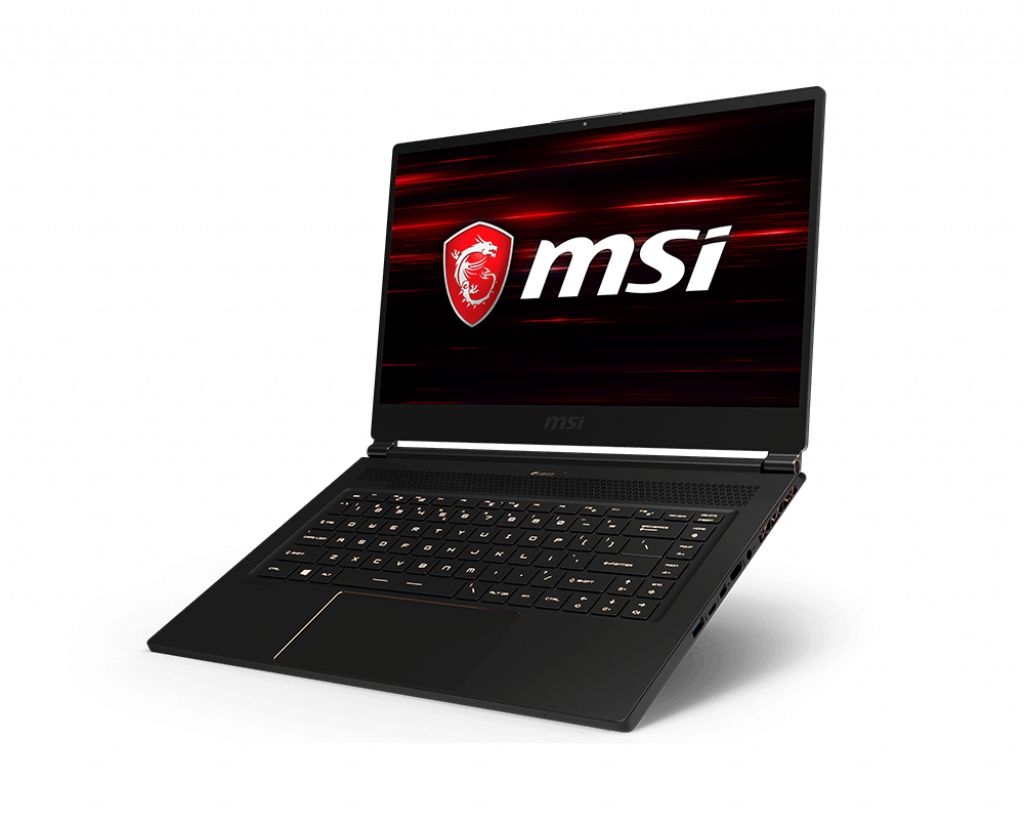

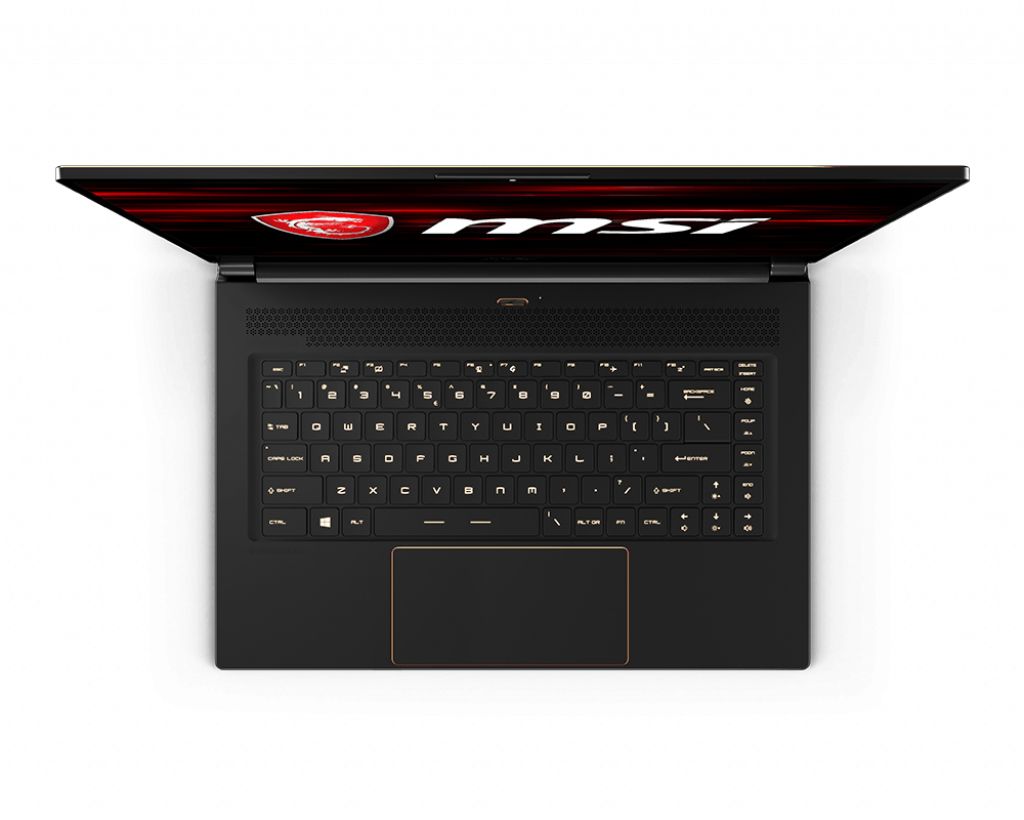
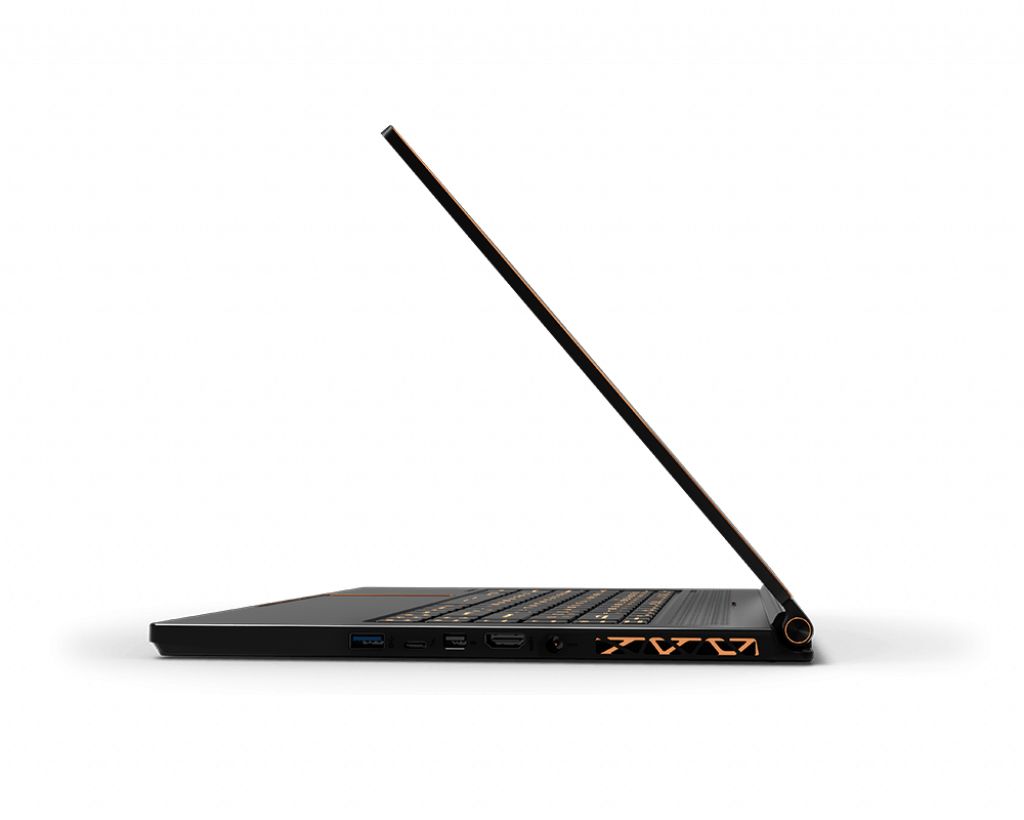
The MSI GS65 8SF-089RU Stealth gaming laptop features DDR4-SDRAM memory with two SO-DIMM slots supporting maximum capacity of 32 GB. Upgrade specifications indicate compatible memory modules operating at 2666 MHz frequency. Each slot accommodates SO-DIMM form factor RAM, enabling users to expand the laptop's memory configuration from factory specifications. The GS series gaming model supports DDR4 memory upgrades through accessible dual-slot architecture, with 16 GB modules per slot reaching the maximum RAM threshold of 32 GB total capacity.
Memory Upgrade Specifications
| Specification | Value |
|---|---|
| Memory slots | 2x SO-DIMM |
| Form factor | SO-DIMM |
| Memory type | DDR4-SDRAM |
| Frequency | 2666 MHz |
| Maximum RAM | 32 GB |
| Voltage | 1.2V |
| Number of pins | 260-pin |
| Interface | PC4 |
| PC Speed Rating | PC4-2666 (PC4-21328) |
| Bandwidth | 21.3 GB/s |
| Laptop Release date | 11 April 2019 |
Additional Notes
- The MSI GS65 8SF-089RU Stealth accepts only notebook-sized memory modules, excluding standard desktop DIMMs from compatibility.
- The 32 GB ceiling requires 16 GB modules in both slots, as single-module configurations cannot reach maximum capacity.
- DDR4-SDRAM runs at lower voltage than DDR3, preventing backward compatibility with older generation modules.
- The 2666 MHz specification represents PC4-21300 transfer rate, which determines data throughput between processor and memory subsystem.
- Installing mismatched module capacities across the 2 slots may trigger single-channel mode, halving memory bandwidth to the integrated graphics processor.
- Modules rated above 2666 MHz will downclock to match the system specification, offering no performance advantage despite higher cost.
- Non-ECC unbuffered modules are required, as registered or error-correcting variants lack compatibility with consumer chipset architecture.
- Both slots must remain accessible without motherboard removal, though keyboard or bottom panel disassembly may be necessary depending on chassis design.
- Mixing different module brands or timing specifications may cause stability issues, despite matching frequency and capacity values.
- The SO-DIMM form factor measures 67.6 mm in length compared to 133.35 mm desktop modules, preventing physical installation of incorrect types.
- Dual-channel operation requires identical module specifications in both slots to maintain symmetric bandwidth across memory controllers.
- Aftermarket upgrades typically preserve warranty coverage, though physical damage during installation voids manufacturer protection.